Latest Medical Technology News
Optiscan’s InForm Hits 84 Real-World Cases Advancing Path to FDA Clearance
EBR Systems Clears FDA Cybersecurity Review With No Recall Required
OncoSil Clears Key Regulatory Hurdle Toward Australian Production of Cancer Device
Osteopore Enters Thailand’s $60-80M Bone Repair Market via Auriga Partnership
OncoSil Medical Treats 100th Spanish Patient as 11-Site Network Drives Deeper Use
Saluda Medical Appoints Mike Mathias as CEO in Continuity Succession
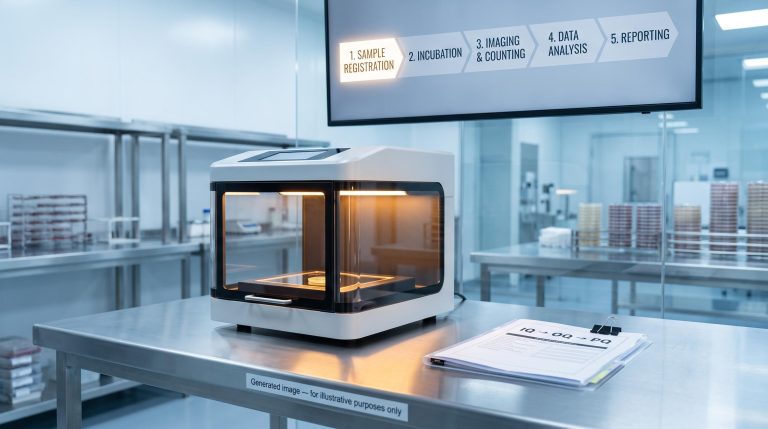
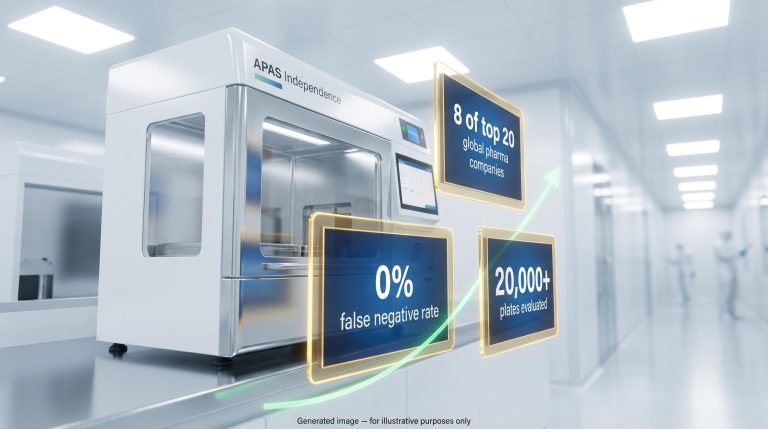
Clever Culture Systems Lands Novo Nordisk Reorder as Global Validation Begins
Medical Devices ETF Chart
Medical Technology Analysis
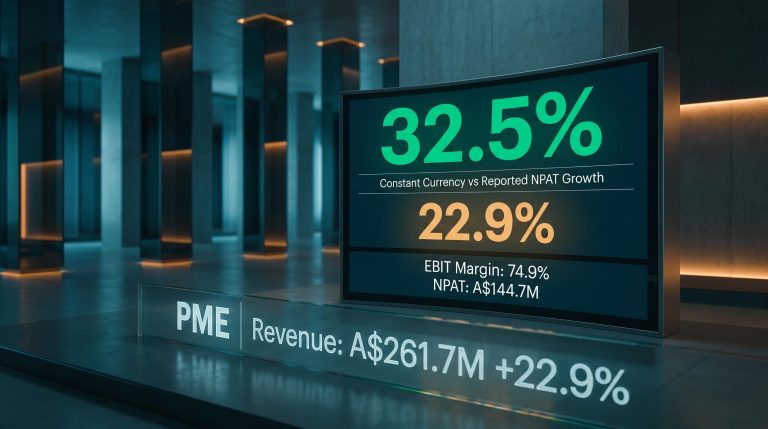
Pro Medicus FY26: What the Result Settles and What It Doesn’t
Why ResMed Fell 7% on a Quarter That Didn’t Disappoint
Why BTK Inhibitor Resistance Opens a Door for Off-the-Shelf CAR-T
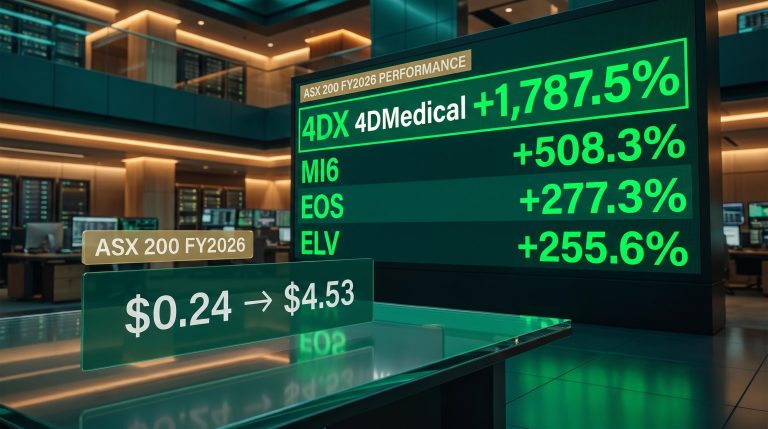
How a Medtech Stock Beat Every Miner on the ASX 200 in FY2026
Why Imugene’s Fast Track Win in Marginal Zone Lymphoma Matters
Weighing Azer-cel’s ASCO 2026 Data Against the Lymphoma Gap
Why Intel Is Betting on Vertical Silicon Over Commodity CPUs
How ASX Healthcare Investors Mispriced Risk Across Three Crashes
Medical Technology Guides & Education
Why a US$740M AI Hearing Raise Reprices ASX Tech Stocks
How ASX Medtech Stocks Win in the World’s Most Cautious Market
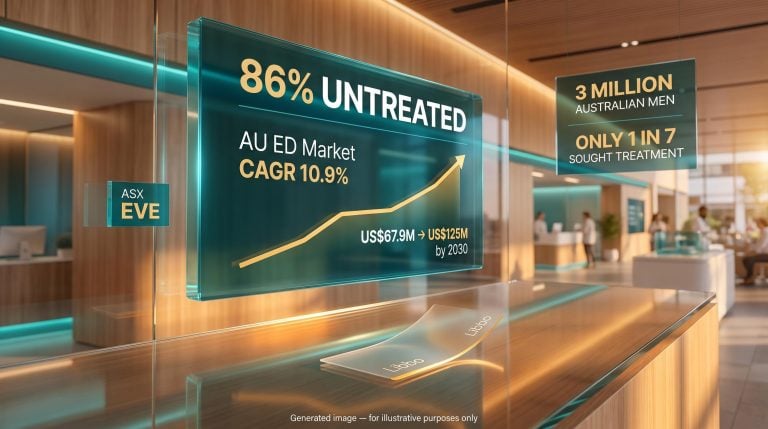
What an 86% Untreated Market Means for ASX Health Stocks
How to Read Clinical Milestones in ASX Biotech Stocks
Why T-Cell Exhaustion Defines the CAR-T Bet for ASX Biotech Investors
How to Value ASX Medtech Stocks: a 5-Step Framework
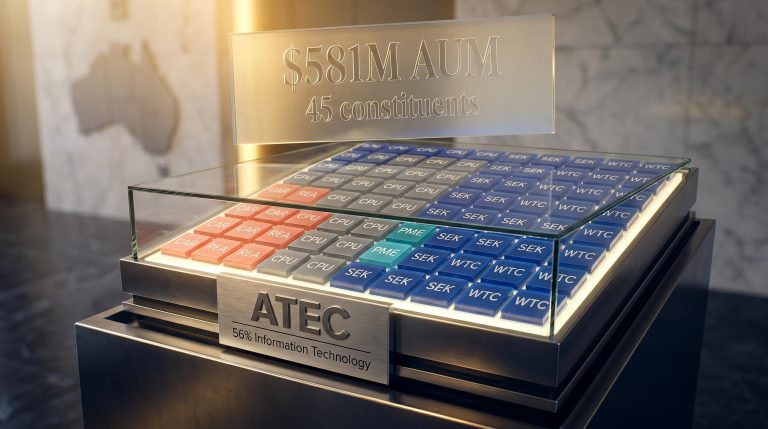
ATEC Is Not the Pure Tech ETF Most Investors Think It Is
Discover More in the Medical Devices Hub
Go to Hub
CONNEQT Lands Blueprint Deal After Record $1.3M Revenue Quarter
Optiscan’s InForm Hits 84 Real-World Cases Advancing Path to FDA Clearance
EBR Systems Clears FDA Cybersecurity Review With No Recall Required
OncoSil Clears Key Regulatory Hurdle Toward Australian Production of Cancer Device
Osteopore Enters Thailand’s $60-80M Bone Repair Market via Auriga Partnership
Echo IQ’s Heart Failure Device Hits FDA Setback; $105M Cash Enables Path Forward
OncoSil Medical Treats 100th Spanish Patient as 11-Site Network Drives Deeper Use
Clinuvel Completes ZEROKIN Drug Delivery Device Eyeing a US$40B Market
Featured ASX Medical Technology Announcements
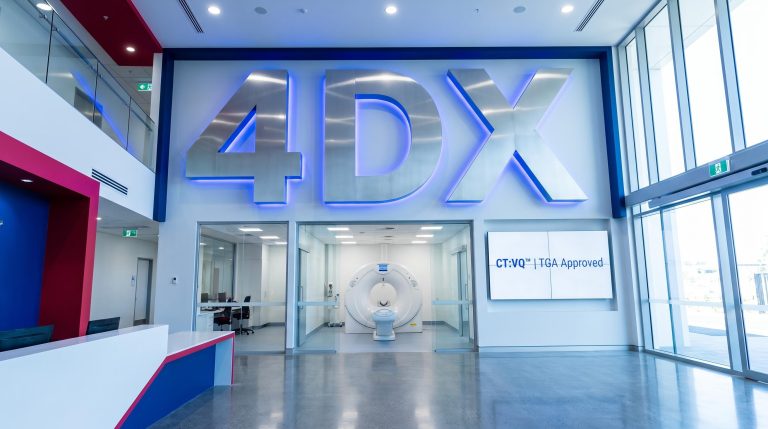
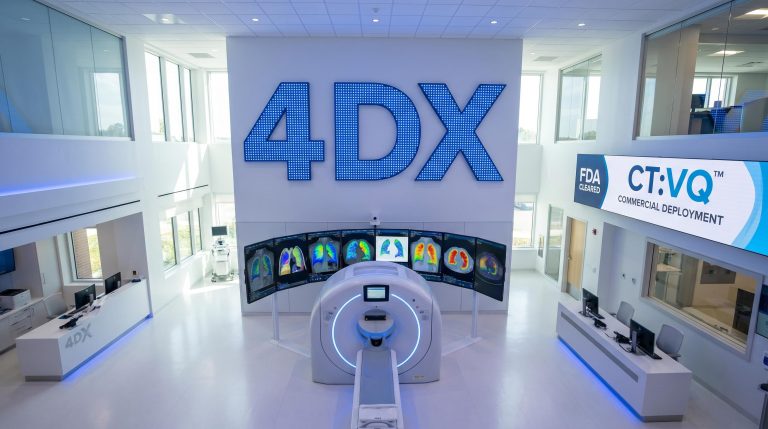
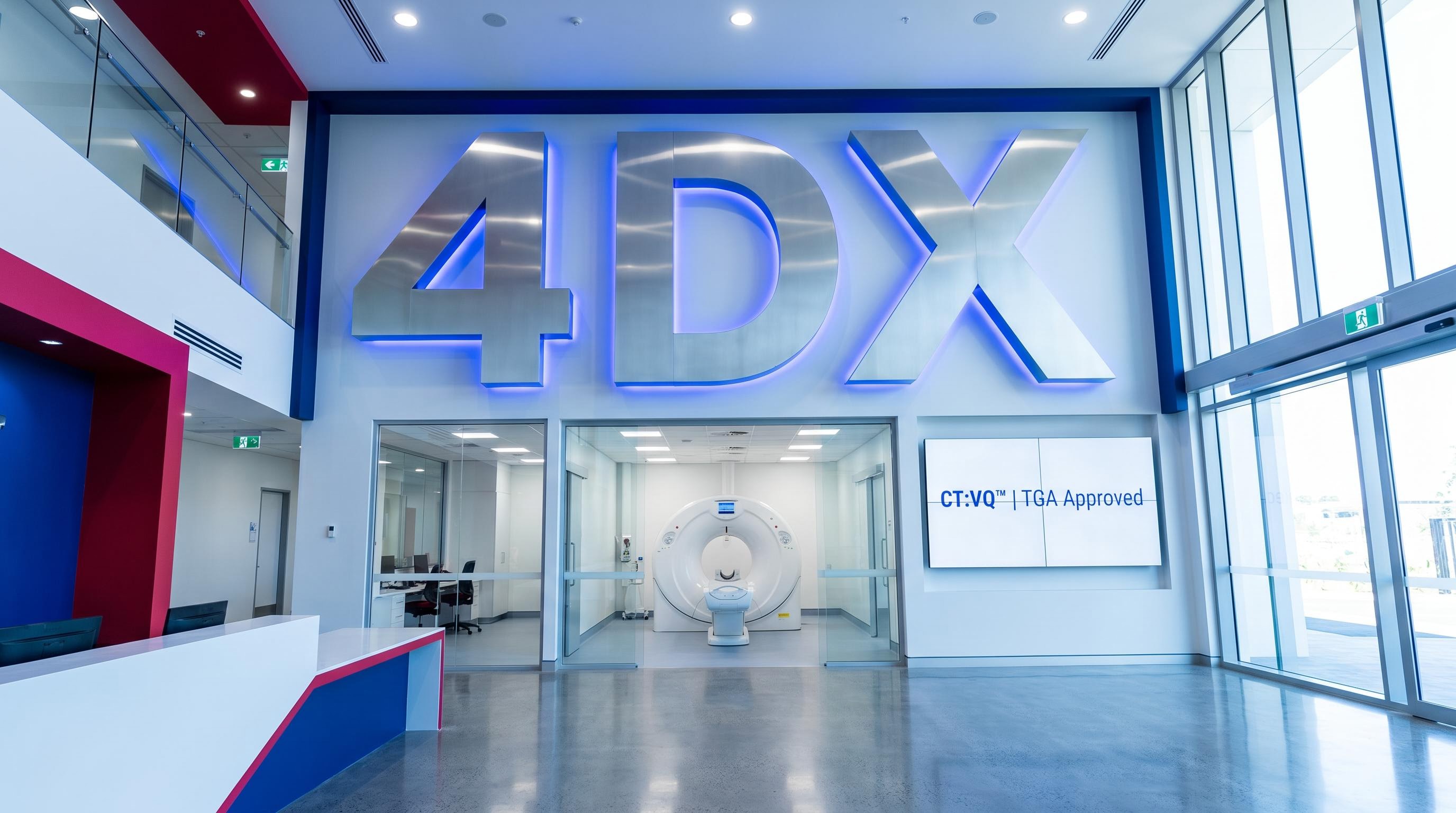
4DMEDICAL Ltd Wins TGA Approval for Lung Imaging Tool in Australia
Video
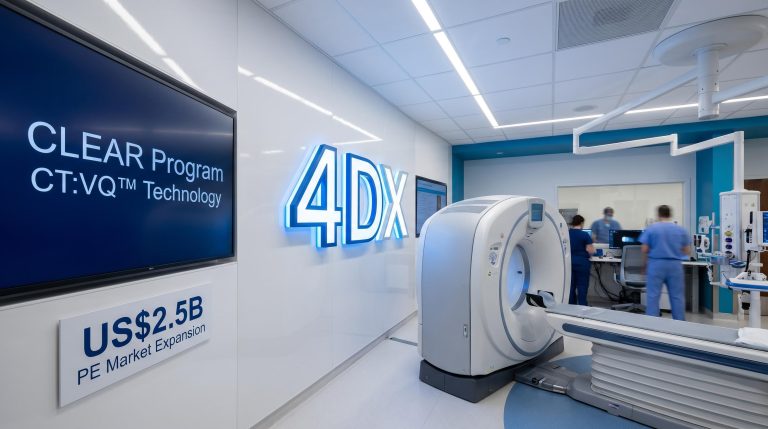
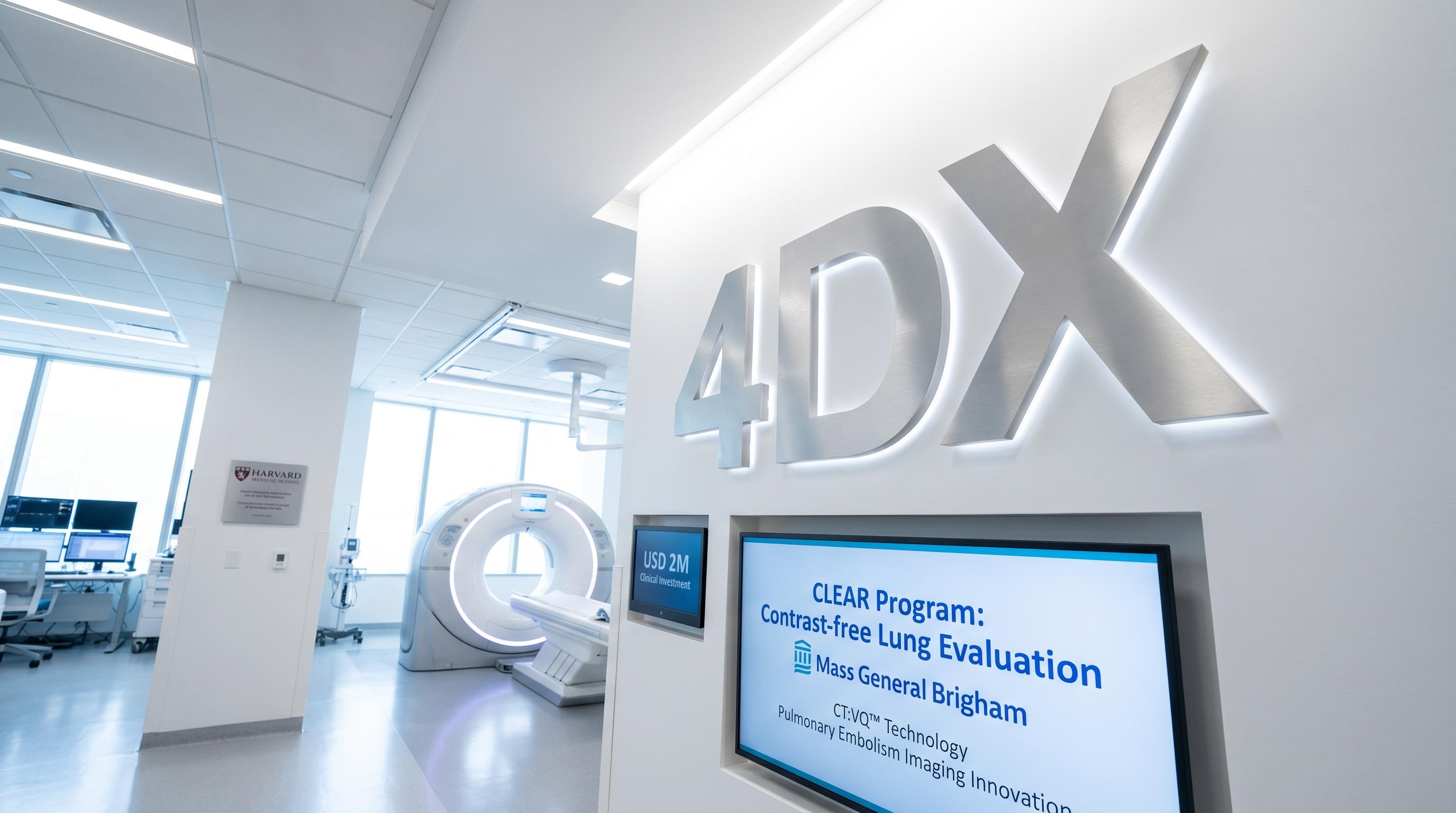
4DMedical Eyes $2.5B PE Market as CLEAR Program Targets 5M Annual US Scans
Video
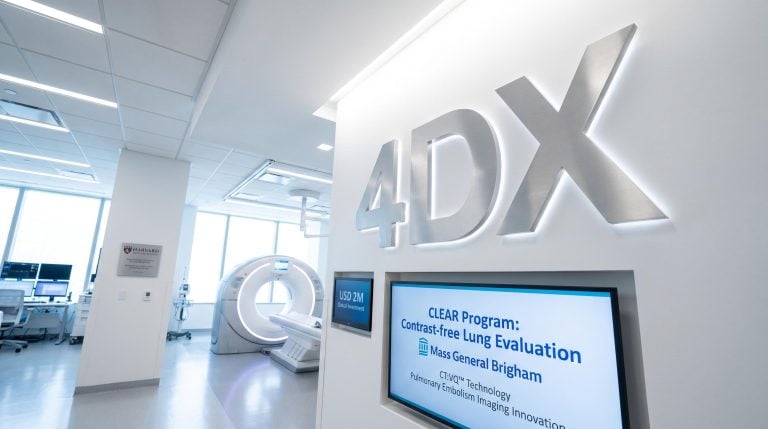
4DMedical Eyes $2.5B Pulmonary Market With Contrast-Free Imaging Tech
Video
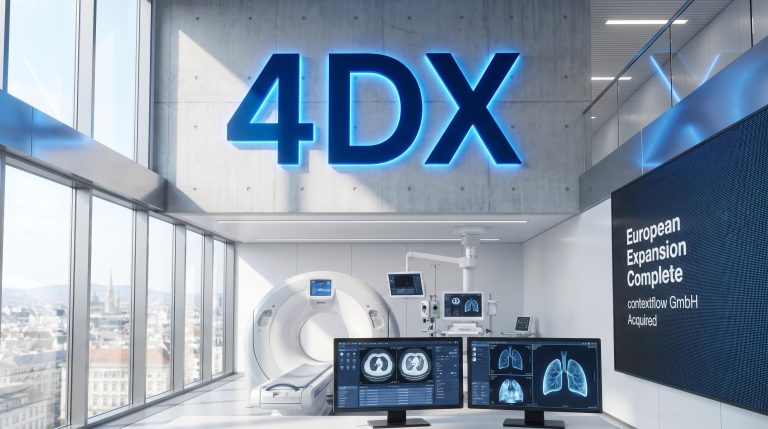
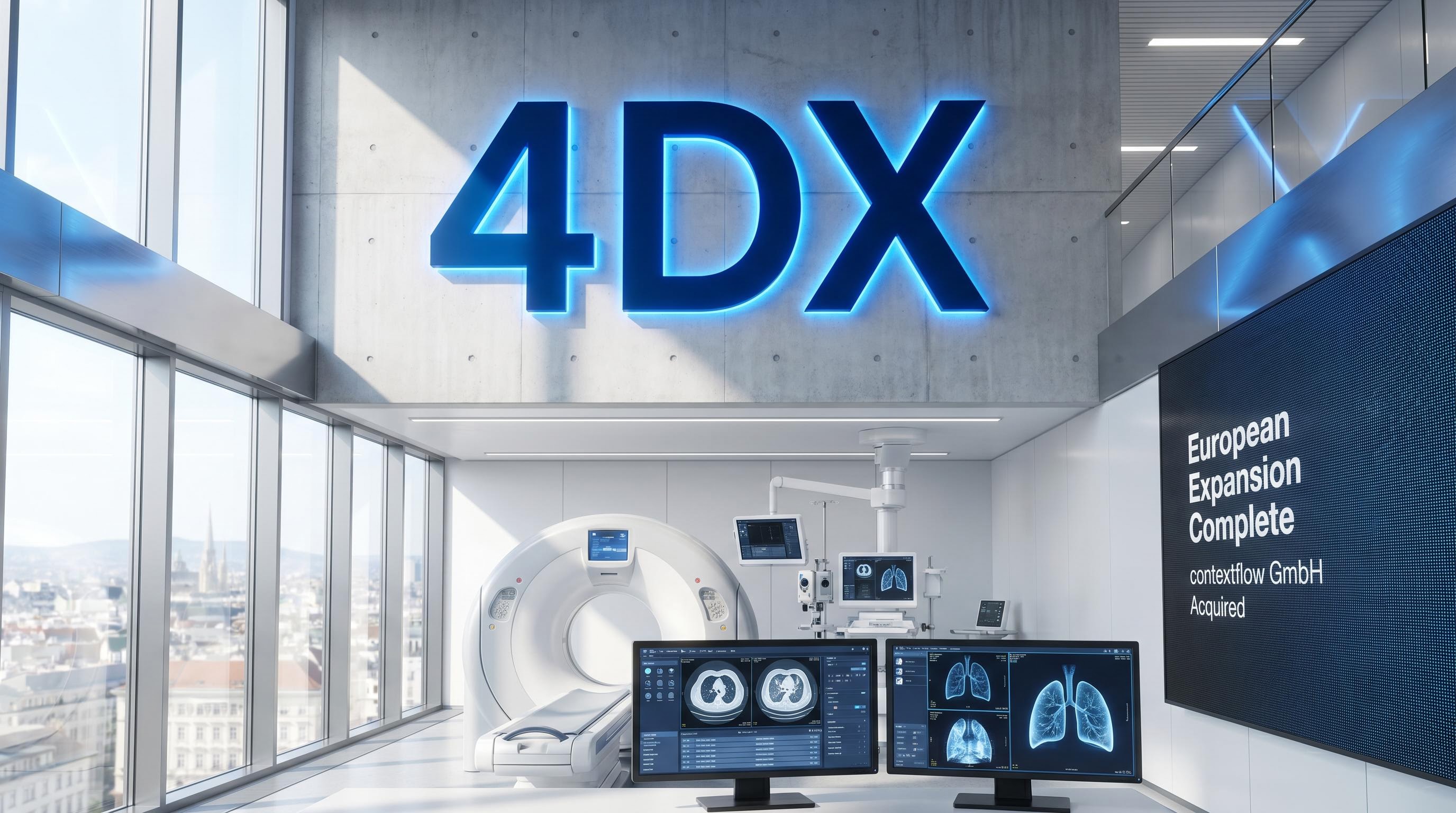
4DMedical Acquires contextflow for European Expansion at 6.5% of Cash Balance
Video
4DMedical Secures Commercial SimonMed Contract Across 170 US Imaging Centres
Video
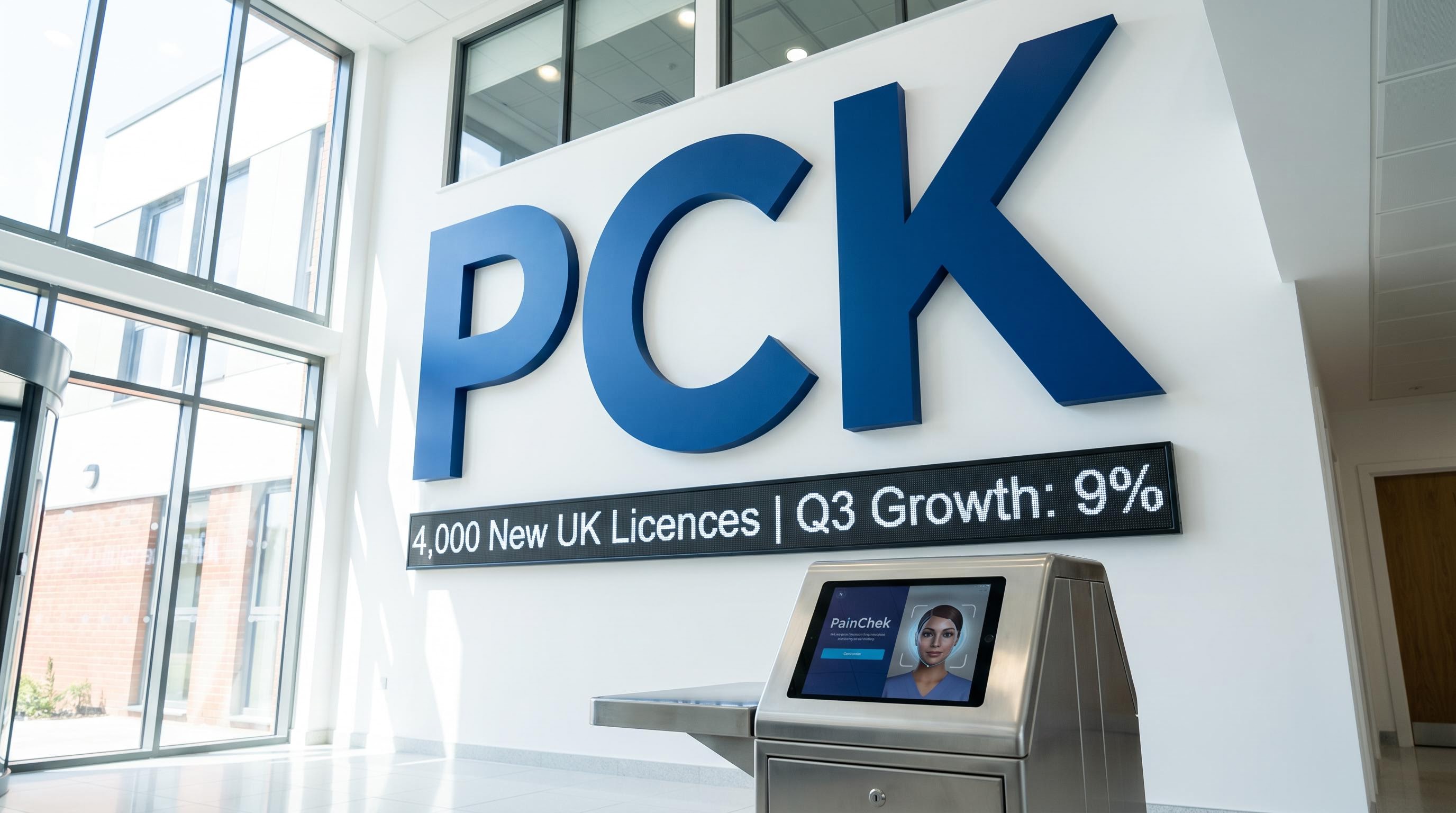
PainChek Locks in 4,000 UK Licences as Care Homes Prioritise Pain Tech
Video
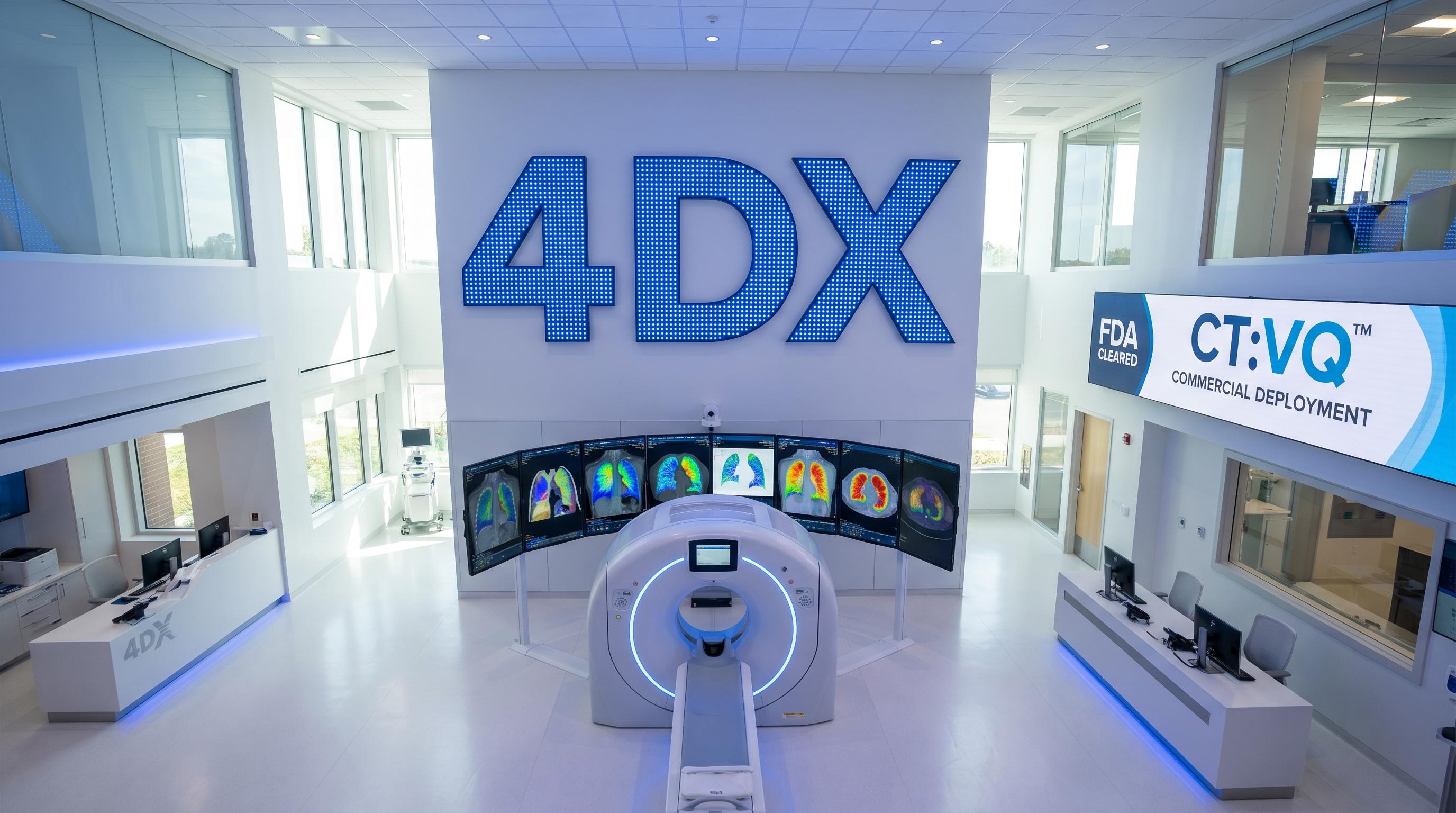
4DMedical Study Shows Its CT:VQ Tech Nearly Doubles Lung Surgery Success Rates
Video
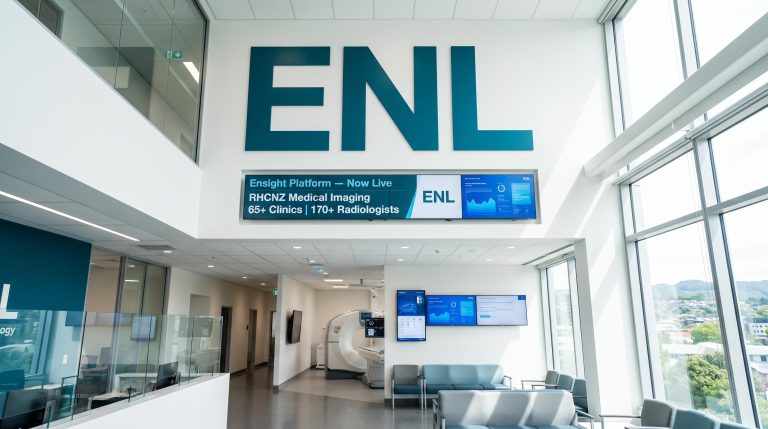
Enlitic Lands First New Zealand Customer as It Goes Live at 65-Clinic Network
Latest ASX Medical Technology Videos
Medical Technology Stocks: Innovation Trends, Earnings and Investment Analysis
Medical technology spans implantable devices, robotic surgery systems, digital health platforms, remote patient monitoring, and AI-driven clinical tools, creating a sector with diverse risk profiles and return drivers. The most attractive medtech businesses combine proprietary technology with high switching costs, recurring consumable revenue, and international scalability. ASX-listed medical technology companies have demonstrated that global market success is achievable from an Australian base, with several companies generating the majority of their revenue internationally. Regulatory approval from the FDA and CE mark in Europe remains the key commercial gateway, and approval timelines are closely tracked by investors. StockWire X monitors medical technology company results, product launches, clinical study data, and M&A activity across the sector.
Frequently Asked Questions
What is a medical technology salary and is it relevant to investors?
Medical technology salary data is relevant to investors as an indicator of the talent market and R&D cost dynamics for medtech companies. Rising engineering and clinical specialist salaries can pressure margins for capital-light medtech businesses. More importantly for investors, salary benchmarks indicate how aggressively medtech companies are investing in innovation talent relative to their revenue base.
What are the best medical technology stocks to invest in?
The best medical technology investment candidates combine proprietary technology with regulatory approvals, a large and growing addressable market, recurring revenue from consumables or software, and management with a track record of commercial execution. ASX-listed medtech companies with US market penetration typically command higher valuations given the scale of the US healthcare system. StockWire X covers medical technology stocks comprehensively.
What is the outlook for the medical technology sector in 2025?
The medical technology sector outlook remains positive, driven by ageing demographics, ongoing procedure volume recovery post-COVID, AI integration in clinical tools, and continued innovation in minimally invasive surgery, remote monitoring, and precision diagnostics. Near-term headwinds include hospital capex budget pressures and supply chain normalisation. StockWire X tracks the sector developments influencing medical technology stock performance.
What is the medical technology sector and how does it differ from pharmaceuticals?
The medical technology sector encompasses companies developing and manufacturing medical devices, diagnostic equipment, surgical instruments, and healthcare IT systems. Unlike pharmaceutical companies, medtech companies often sell capital equipment supplemented by recurring consumable and service revenue. The development pathway for medical devices typically involves clinical evidence generation and regulatory clearance rather than multi-phase drug trials, resulting in shorter and less capital-intensive development programmes.
How do hospital purchasing decisions affect medical technology company revenue patterns?
Hospital purchasing committees create specific sales cycle characteristics for medical technology companies. Large capital equipment purchases go through extended evaluation and approval processes, creating longer sales cycles and lumpy revenue recognition. However, once a medical technology product is adopted into clinical workflow, switching costs are high because of staff training requirements and workflow integration. This creates durable recurring revenue streams from consumables and service contracts.

Breaking ASX Alerts Direct to Your Inbox
Join +20,000 subscribers receiving alerts.
Join thousands of investors who rely on StockWire X for timely, accurate market intelligence.
- Breaking ASX announcements delivered within minutes
- Alerts delivered with expert analysis
- Optional text alert for subscribers
- No spam policy, unsubscribe any time
Breaking ASX Alerts Direct to Your Inbox
Join +20,000 subscribers receiving alerts.
Join thousands of investors who rely on StockWire X for timely, accurate market intelligence.
- Breaking ASX announcements delivered within minutes
- Alerts delivered with expert analysis
- Optional text alert for subscribers
- No spam policy, unsubscribe any time