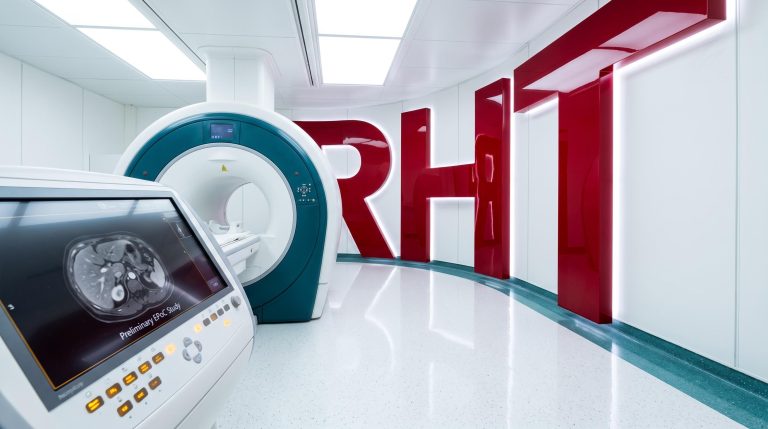
Resonance Health Launches $6M Placement to Back Liver Scan and Clinical Trial Growth
8 hrs ago


















In vitro diagnostics is one of the fastest-growing segments of global medtech, driven by ageing populations, rising chronic disease prevalence, and the ongoing shift toward decentralised testing. The IVD market encompasses molecular diagnostics, immunoassays, clinical chemistry, and point-of-care devices, each with distinct competitive dynamics and margin profiles that matter to investors. ASX-listed IVD companies have benefited from global demand surges and are increasingly targeting international markets to scale revenues. StockWire X monitors earnings reports, product pipeline updates, reimbursement changes, and capital market activity across the IVD sector. Regulatory pathways through the FDA and Australia's TGA are key valuation drivers our analysis tracks.
In vitro diagnostics devices are medical instruments and tests that analyse biological samples, including blood, urine, and tissue, outside the living body. Regulation in the US is managed by the FDA through the 510(k) clearance and De Novo pathways. In Europe, the IVDR regulation governs IVD products. In Australia, ARTG registration through the TGA is required. Regulatory clearance is a key commercial milestone for IVD companies.
The global IVD market is a multi-billion dollar industry spanning laboratory instruments, molecular diagnostics, immunoassays, and point-of-care testing. Market leaders include Roche Diagnostics, Abbott, Siemens Healthineers, and Danaher. For investors, understanding the competitive structure between established multinationals and emerging specialist companies is important for evaluating IVD investment opportunities.
While COVID-19 testing created a temporary revenue surge for many IVD companies, the structural growth drivers for the sector remain compelling. Rising chronic disease burden, expansion of genomic and companion diagnostics, and the shift toward decentralised testing are sustaining long-term market growth. Investors should focus on companies with durable, diversified diagnostic portfolios rather than those dependent on COVID testing revenue.
In vitro diagnostic tests require regulatory clearance before commercial launch. In the US, the FDA classifies IVD tests by risk level, with lower-risk tests eligible for 510(k) clearance and higher-risk tests requiring Premarket Approval. The EU's updated IVDR regulation has tightened requirements significantly. Regulatory timelines determine when a company can begin generating revenue from a new test, making approval milestones important share price catalysts.
Reimbursement coverage from government and private payers determines whether a diagnostic test can be commercially deployed at scale. Payers assess whether a test demonstrates clinical utility, meaning it changes patient management in a way that improves outcomes or reduces overall care costs. Tests that achieve favourable reimbursement with broad coverage can scale rapidly, while those without coverage face adoption barriers regardless of clinical merit.