Adherium Gets a Second Loan From Barvest, Lifting the Total to $1.45M
24 mins ago













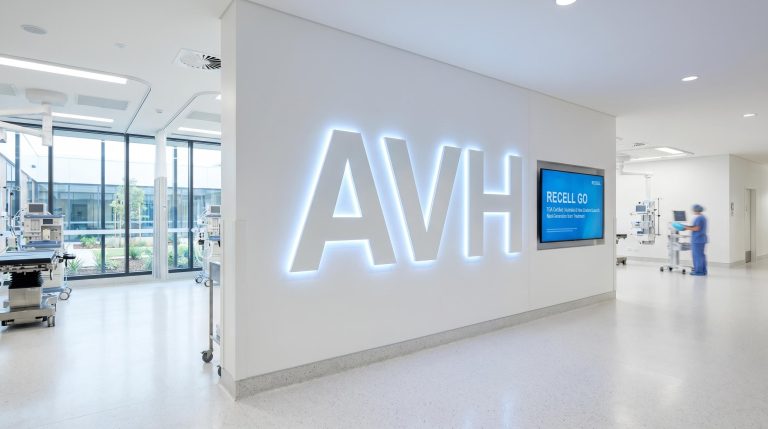
Medical equipment stocks span surgical systems, diagnostic imaging hardware, patient monitoring, and reusable procedural instruments, each with distinct revenue models and competitive barriers. The sector is characterised by long product lifecycles, regulatory moats, and deep hospital relationships that create durable earnings for established players. ASX-listed medical equipment companies have increasingly pursued international expansion to access larger addressable markets. StockWire X tracks earnings results, new product approvals, tender wins, and M&A activity across medical equipment stocks. Capital expenditure cycles in the hospital sector and healthcare funding decisions are key macro drivers our analysis monitors.
The ASX has a comprehensive medical sector spanning pharmaceuticals, medical devices, diagnostics, and health services. Top ASX medical stocks by market cap include globally significant businesses alongside a deep cohort of emerging companies. StockWire X covers ASX medical equipment stocks and the broader healthcare sector with analysis of earnings, clinical milestones, and market developments.
Small medical device companies on the ASX and globally offer investors exposure to innovative technology at earlier stages of development, where the return potential is highest. Key assessment criteria include regulatory pathway clarity, addressable market size, manufacturing scalability, and management track record. StockWire X covers small medical device and equipment companies with ongoing news and analysis.
Medical equipment stock prices are driven by regulatory approvals and product launches, earnings results relative to guidance, contract and tender wins, acquisition activity, and the capital expenditure cycle in hospital systems. Companies with high recurring consumable and service revenue show more stable share price behaviour than those dependent on lumpy capital equipment sales.
Medical equipment companies selling high-value capital equipment are significantly affected by hospital capital expenditure cycles. During periods of constrained hospital budgets, capital equipment purchases are often deferred, creating revenue headwinds. When hospital finances improve or government funding initiatives stimulate investment, equipment demand accelerates. Investors track hospital sector financial health and government infrastructure spending programmes to anticipate demand conditions.
The installed base model involves selling capital equipment competitively to establish a large customer base, then generating recurring, high-margin revenue from consumables, reagents, service contracts, and software. Companies with large installed bases generate predictable recurring revenues that are less cyclically sensitive than capital equipment sales alone. Investors value recurring revenue streams at higher multiples because they are more predictable and have lower customer acquisition costs.