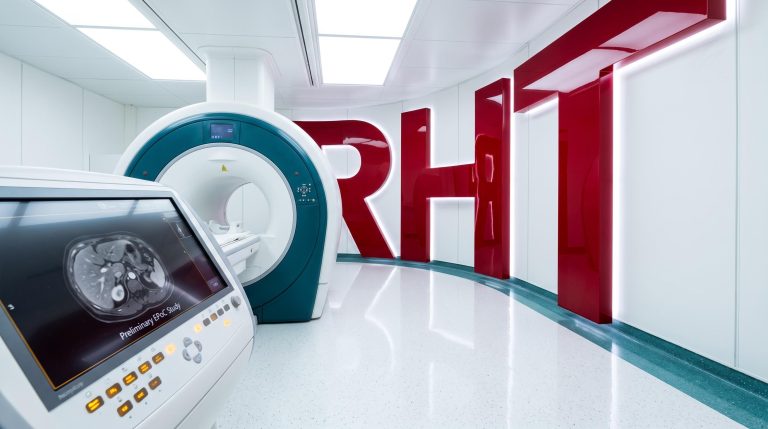
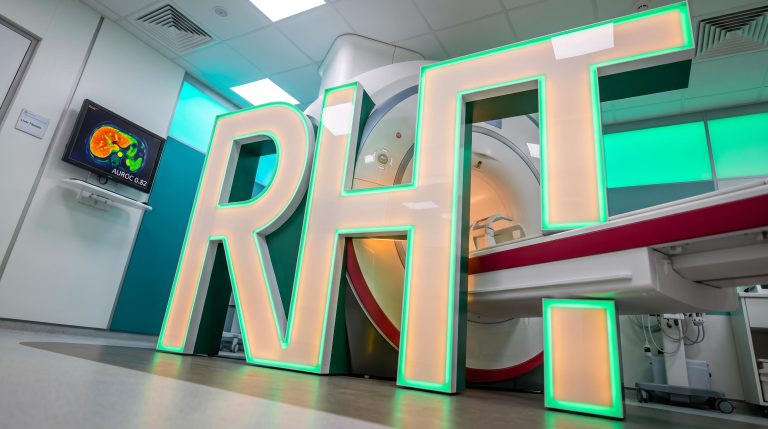
Resonance Health Launches $6M Placement to Back Liver Scan and Clinical Trial Growth
7 hrs ago
















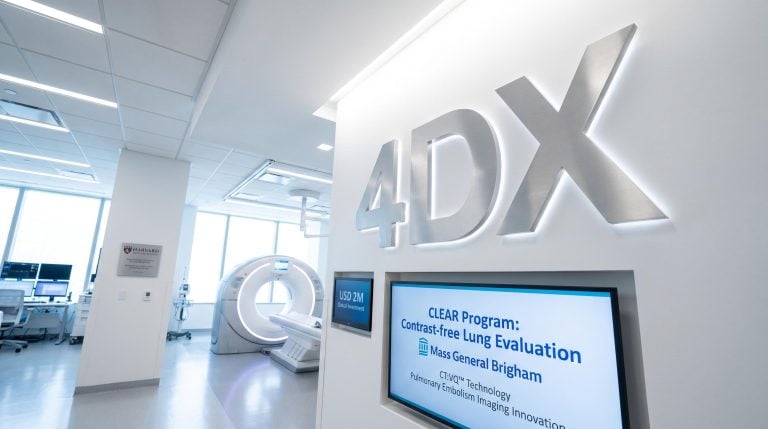
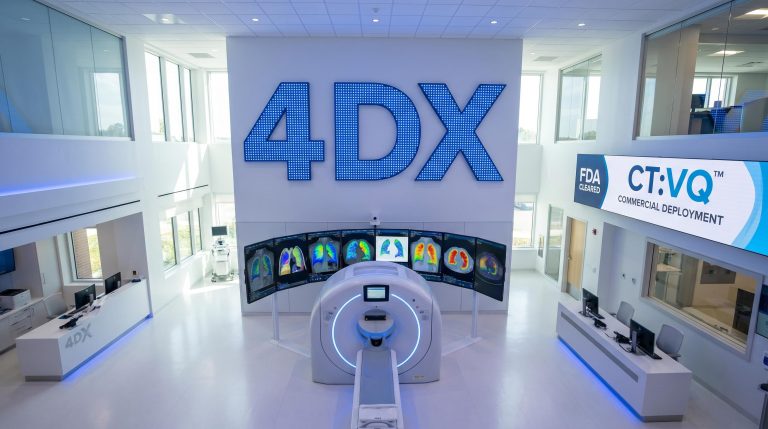
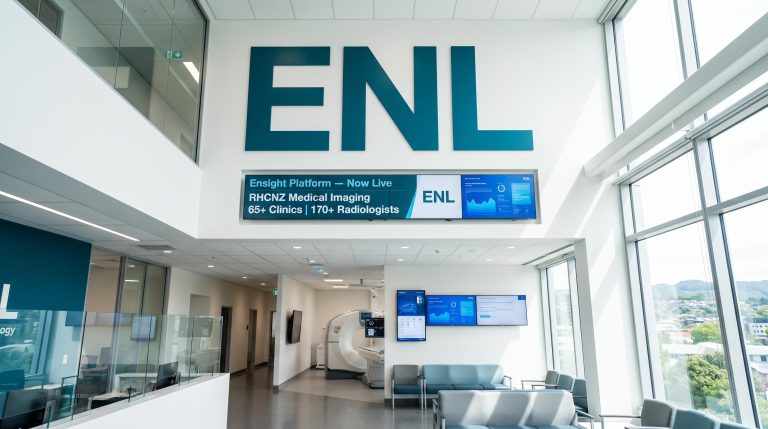
The medical imaging sector encompasses hardware manufacturers, software platform developers, radiopharmaceutical companies, and AI-driven radiology tools, creating a diverse investment landscape with distinct growth and risk profiles. Traditional imaging hardware is a mature market dominated by global leaders, while AI radiology and molecular imaging represent high-growth segments attracting significant venture and public market capital. ASX-listed companies are active in nuclear medicine, radiopharmaceuticals, and imaging software, with several achieving international commercial scale. Regulatory approval pathways for imaging AI are evolving, creating both opportunity and uncertainty for investors. StockWire X tracks medical imaging company results, technology announcements, FDA and TGA clearances, and M&A developments to give investors comprehensive sector coverage.
The strongest medical imaging investment candidates combine proprietary imaging technology, regulatory approvals in major markets, and a clear path to recurring revenue through consumables, software subscriptions, or service contracts. AI-powered radiology companies are attracting significant investor interest. StockWire X covers medical imaging stocks across ASX and global markets.
The global medical imaging market is one of the larger segments of the medtech industry, driven by ageing populations, rising chronic disease prevalence, and ongoing technology innovation in AI radiology, molecular imaging, and point-of-care diagnostics. Investors tracking medical imaging companies should monitor market share dynamics and technology adoption rates alongside company fundamentals.
AI is transforming medical imaging by enabling automated image analysis, faster diagnostic reporting, and improved accuracy. AI radiology platforms have attracted significant venture and public market capital, with several products achieving FDA clearance for clinical use. For investors, AI in medical imaging represents a high-growth software layer being applied to a large, established hardware market.
AI applications in medical imaging include automated image analysis for radiology, pathology, and ophthalmology, where algorithms detect abnormalities, quantify disease severity, and prioritise urgent cases for review. Listed companies are commercialising AI imaging software as standalone diagnostic tools and integrated modules within imaging systems. The FDA has cleared hundreds of AI-enabled medical devices. Investors assess the evidence base supporting clinical utility, reimbursement status, and defensibility of AI model performance.
Medical imaging equipment including MRI, CT, and ultrasound systems has typical operational lifespans of ten to fifteen years. The replacement cycle creates relatively predictable baseline demand for equipment manufacturers. Accelerating factors include technology upgrades offering improved diagnostic capability and new clinical applications requiring next-generation systems. Countries with ageing equipment inventories represent concentrated demand opportunities for leading manufacturers.