
OFX Takeover Deal Ends but Talks With Equals Continue Over $1.00 a Share Offer
6 hrs ago























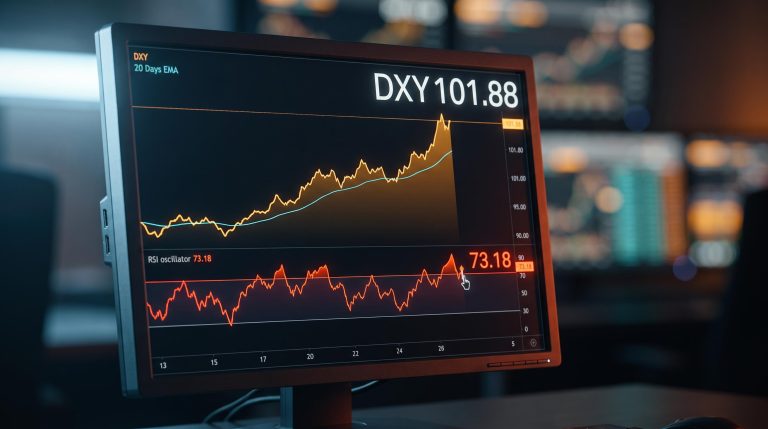







Currency markets reflect the relative economic strength, interest rate differentials, and risk sentiment dynamics between countries. For Australian investors, the AUD/USD is the most significant exchange rate, influencing the returns on international investments when converted back to Australian dollars and affecting the competitiveness and earnings of ASX-listed companies with significant overseas revenue. The Australian dollar is often characterised as a risk and commodity currency, strengthening when global growth expectations rise and commodity prices increase, and weakening in risk-off environments. Central bank interest rate decisions, inflation data, and trade balance statistics are key fundamental drivers of currency movements. StockWire X covers forex news with a focus on the exchange rate developments most relevant to ASX investors and Australian companies with international operations.
Forex affects ASX investors in multiple ways. Companies with significant international revenue see earnings change when AUD strengthens or weakens against relevant foreign currencies. International equity investments held by Australian investors generate higher AUD returns when the AUD falls against the investment currency. The AUD/USD is closely tracked as a barometer of global risk appetite and commodity demand, providing macro context for ASX market direction.
The AUD/USD is primarily driven by the interest rate differential between the RBA and the US Federal Reserve, commodity prices (particularly iron ore and coal, which are major Australian exports), global risk sentiment, and Chinese economic conditions given Australia's significant trade relationship with China. Strong Chinese demand data and rising commodity prices typically support AUD. Risk-off environments typically weaken AUD as investors move to safe-haven currencies.
A currency ETF provides exposure to movements in a foreign currency or basket of currencies relative to a base currency, allowing investors to hedge currency risk in international portfolios or take directional views on exchange rate movements. Currency ETFs are available for major pairs including USD, EUR, JPY, and GBP. For ASX investors with significant international holdings, currency ETFs can reduce the volatility introduced by AUD fluctuations in international portfolio returns.
Currency trading involves buying and selling currencies in pairs, such as EUR/USD or USD/JPY, based on expectations of price movements. Trading activity across institutions, hedge funds, and investors contributes to liquidity and price discovery in forex markets. Large trading flows can influence exchange rates, particularly during periods of volatility or major economic announcements.
Currencies are traded through global forex markets via banks, financial institutions, and online trading platforms. Retail and institutional participants access the market through brokers that provide access to currency pairs and trading tools. Forex markets operate 24 hours a day across major financial centres, allowing continuous trading and price movements based on global events and market developments.