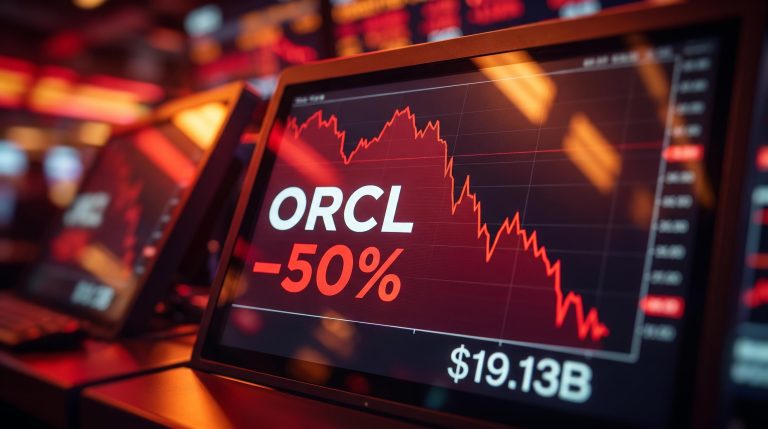
Oracle Q1 Earnings Loom With 11% Swing Priced in Tonight
Sep 10, 2026

Stock options are derivative instruments that give holders the right, but not the obligation, to buy or sell shares at a specified price before a set expiry date, providing investors with powerful tools for speculation, hedging, and income generation. StockWire X covers stock options news with analysis of options market activity, key expiry events, derivatives strategy insights, and the role of options in portfolio construction and risk management.

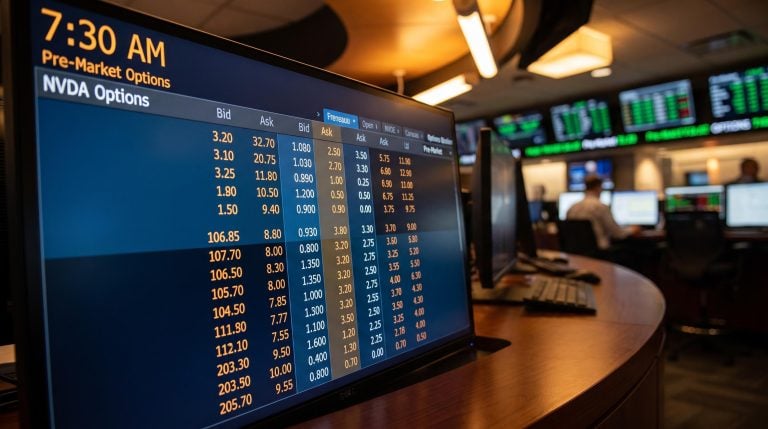

















The options market provides investors with flexible tools for a wide range of investment objectives. Call options allow investors to gain leveraged upside exposure to stocks or indices with limited downside risk. Put options provide portfolio protection against declines. Covered call strategies generate income on existing equity holdings. Spread strategies offer defined risk and return profiles for directional views. Understanding options pricing, including intrinsic value, time decay, and implied volatility, is fundamental to using them effectively. Options market data, particularly the put/call ratio and implied volatility levels, are widely used as sentiment indicators by equity market analysts. StockWire X covers options market activity, derivatives strategy analysis, and the options-related developments that provide insight into equity market sentiment and risk positioning.
Stock options are contracts giving the holder the right to buy (call option) or sell (put option) a specified number of shares at a predetermined price (strike price) before or on an expiry date. Options buyers pay a premium for this right. Options can be used for leveraged speculation on share price direction, hedging existing equity positions against downside risk, or generating income through covered call writing.
Derivatives trading involves buying and selling financial contracts whose value is derived from an underlying asset, such as a stock, index, commodity, or currency. Options are one of the most widely traded derivative instruments, alongside futures contracts and swap agreements. Options differ from futures in that they give the holder a right rather than an obligation, making the maximum loss for option buyers limited to the premium paid.
An options ETF uses options strategies as part of its investment approach. Covered call ETFs, for example, hold a basket of equities and systematically write call options against those holdings, generating options premium income that is distributed to investors. These products offer higher income yields than straightforward equity ETFs but cap upside participation when markets rise significantly. They are popular with income-focused investors in stable or moderately rising markets.
Index options are widely used by institutional investors to hedge portfolios or express views on overall market direction. Large flows in index options can influence broader market behavior, particularly when hedging activity leads to buying or selling in the underlying index components. These dynamics can impact liquidity, volatility, and short-term market trends.
Stock options are traded on major exchanges through brokerage platforms that provide access to options markets. Both retail and institutional investors can trade options on individual stocks and indices, with activity taking place across global financial centers. Access to options markets has expanded significantly, contributing to increased trading volumes and market participation.