
Wide Open Agriculture Adds Three Asian Manufacturers to Its Lupin Scale-Up Race
8 hrs ago

Asian markets represent one of the most dynamic and diverse investment regions in the world, spanning developed markets like Japan and Singapore to high-growth emerging economies across Southeast Asia. StockWire X covers asian markets with news, equity analysis, and the economic and geopolitical developments that shape regional investment conditions. From China's technology sector to ASEAN infrastructure investment, we track the themes and companies that matter to Asia-focused investors.








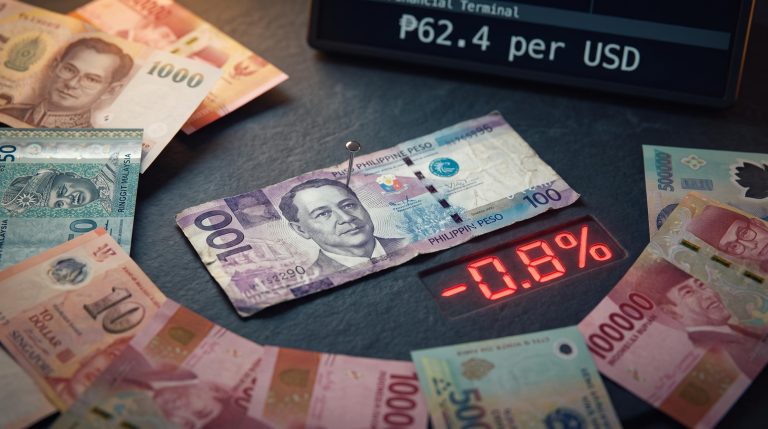

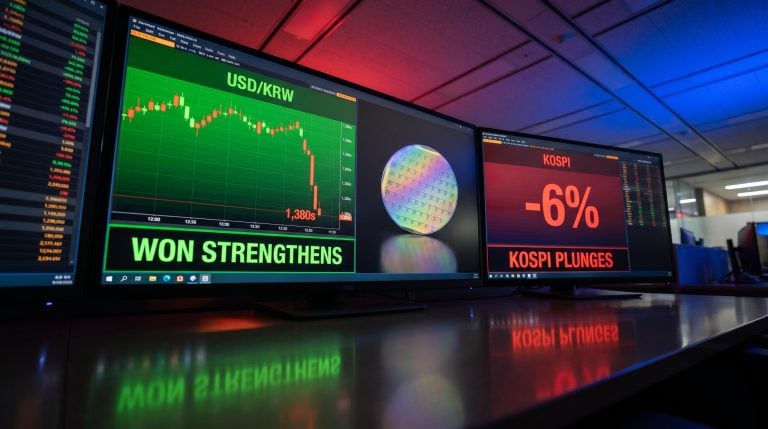

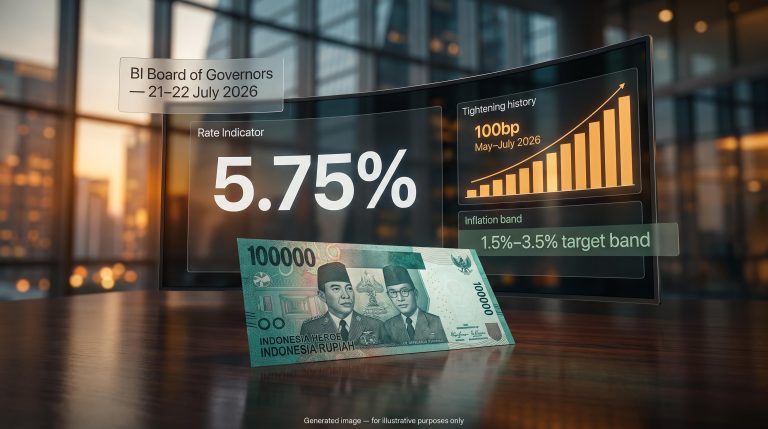







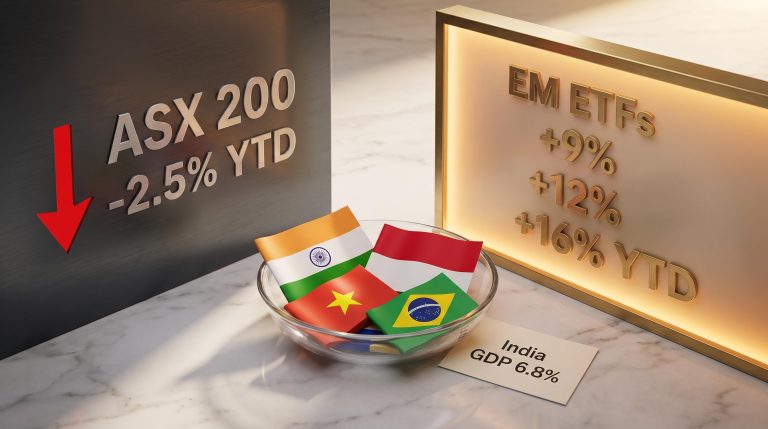

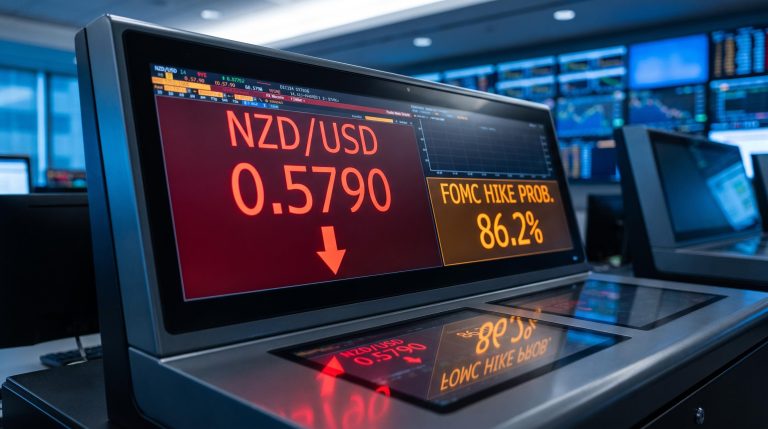

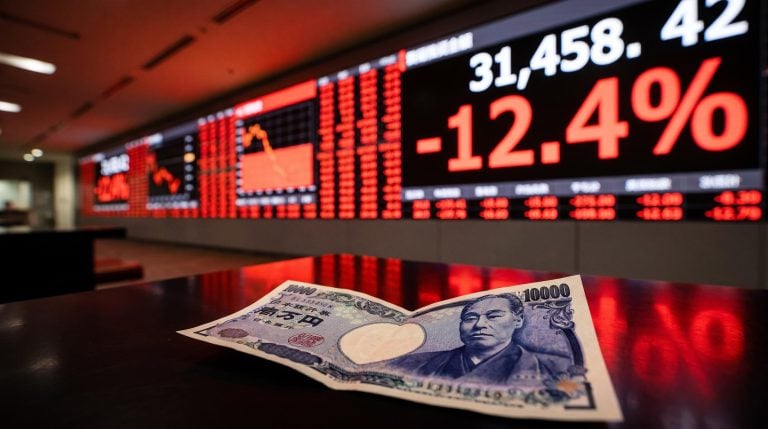


Asian markets encompass a vast range of economic stages, market structures, and investment opportunities, from the deep liquidity of Tokyo and Hong Kong to the high-growth frontier markets of Vietnam and Indonesia. Regional investment themes include China's technology and consumer evolution, India's infrastructure and digital transformation, Southeast Asia's emerging middle class consumption growth, and Japan's corporate governance reforms driving shareholder returns. For investors with Australian base currency, Asian market exposure introduces currency, political, and regulatory risk alongside the significant return potential. StockWire X provides coverage of key asian market developments including economic data releases, central bank decisions, geopolitical events, and listed company news with relevance to the region's investment landscape.
Asian stock markets operate across multiple time zones. The Tokyo Stock Exchange (TSE) opens at 9am JST (7am AEST), the Hong Kong Stock Exchange opens at 9:30am HKT (11:30am AEST), and the Shanghai Stock Exchange opens at 9:30am CST (11:30am AEST). For Australian investors, Asian market sessions overlap with the late Australian morning session, meaning Asian market news can influence ASX trading in real time.
Asian stock market news regularly influences the ASX, particularly developments in China, Japan, and South Korea which are major trading partners and investment markets for Australia. Chinese economic data, RBA rate expectations relative to Asian central banks, and commodity demand signals from Asian markets are especially relevant for ASX-listed resources and industrial companies. StockWire X covers Asian market news with analysis of implications for Australian investors.
Asian markets influence the ASX through multiple channels including commodity demand signals from China affecting resources stocks, risk sentiment flows from Japanese and Korean markets moving the Australian dollar, and capital flows between Asian and Australian equity markets. A strong Chinese economic data release often supports ASX resources stocks and the Australian dollar simultaneously.
Japan is the largest equity market in Asia by market capitalisation, followed by China, India, South Korea, Taiwan, and Australia. Japan offers exposure to global industrial and technology companies with improving corporate governance. China provides access to domestic consumption and technology growth. India is a high-growth emerging market. Taiwan and Korea are concentrated in semiconductor and technology manufacturers. Investors select between markets based on growth outlook, valuation, currency exposure, and geopolitical risk tolerance.
The US-China trade and technology relationship is a significant variable for Asian equity investors because many Asian economies are deeply integrated into supply chains connecting China and the US. Trade tensions, technology export restrictions, and geopolitical developments create volatility in Asian markets, particularly in semiconductors, consumer electronics, and industrial goods. Countries positioned as alternative manufacturing locations, including Vietnam, India, and Mexico, have attracted increased investment as companies diversify supply chains.