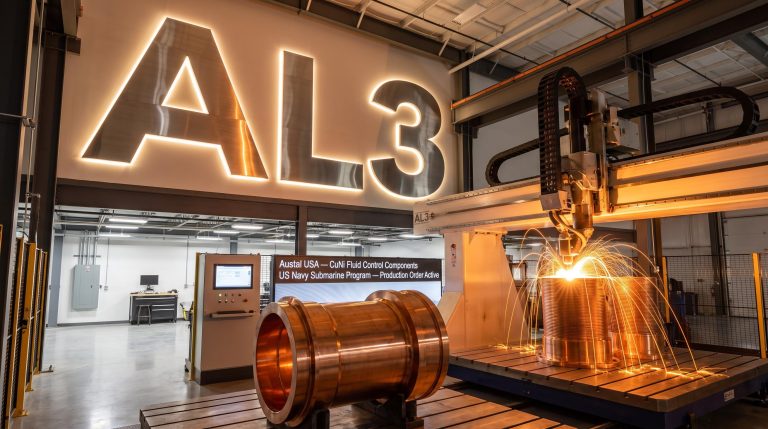
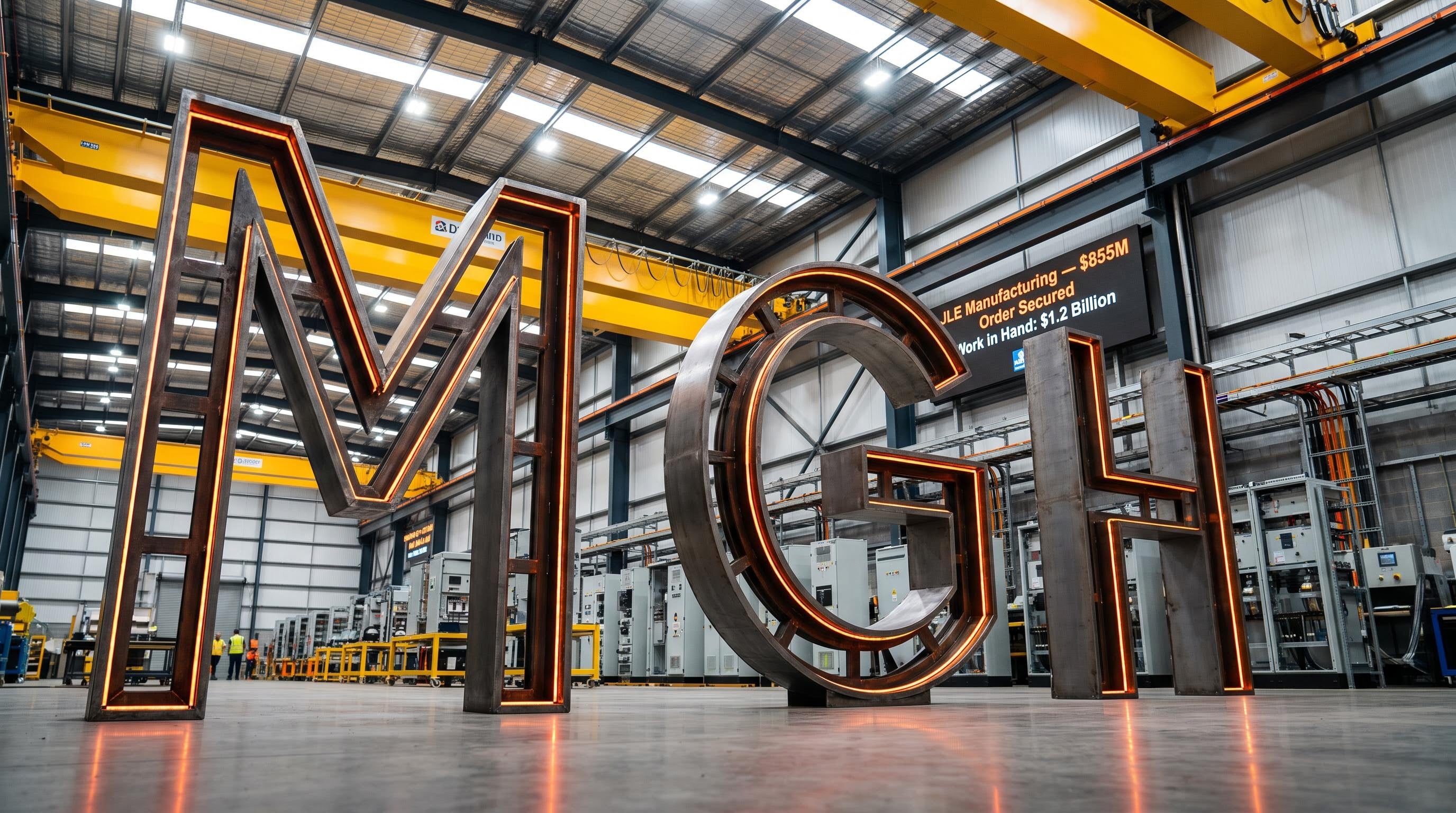
AML3D Lands First Production Parts Order for US Navy Submarine Program
23 hrs ago

Industrial manufacturing stocks provide investors with exposure to the physical infrastructure of economic growth, from capital equipment and machinery to specialised industrial components and process technology. StockWire X covers ASX and global industrial manufacturing companies with sector news, earnings analysis, and market insights. Our coverage tracks the order cycles, margin trends, and macro conditions that drive industrial valuations.
















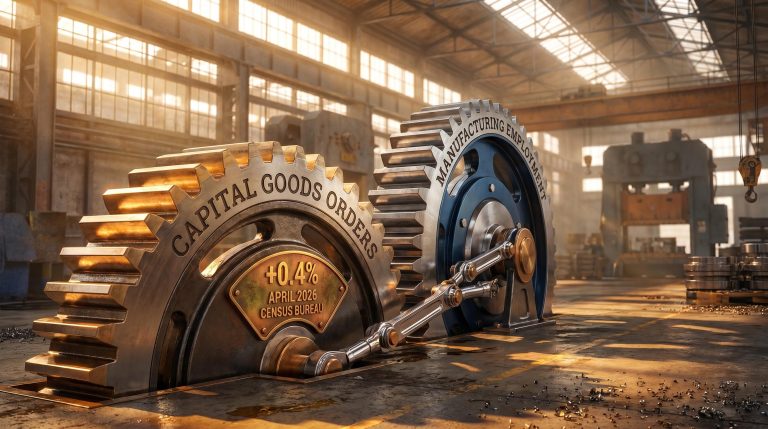





The industrial manufacturing sector spans a wide range of businesses including capital goods producers, machinery manufacturers, industrial automation companies, and specialist component suppliers. These businesses are cyclical by nature, their revenues and earnings correlate with business investment cycles, infrastructure spending, and industrial production indices. ASX-listed industrial manufacturing companies range from diversified conglomerates to specialist niche players with strong export revenue. Investors monitor order backlogs, capacity utilisation, input cost pressures, and geographic revenue exposure when assessing industrial manufacturing stocks. StockWire X tracks sector earnings, industry data releases, and macro developments affecting industrial production to give investors a comprehensive view of the sector.
Top industrial manufacturing companies for investors typically combine strong order backlogs, diversified end-market exposure, pricing power, and high aftermarket service revenue. Global leaders include diversified industrials conglomerates as well as specialist manufacturers with strong competitive moats. StockWire X covers ASX and global industrial manufacturing stocks with earnings analysis and sector news.
Yes, industrial manufacturing stocks are among the most cyclical in equity markets. Revenue and earnings correlate closely with business investment cycles, infrastructure spending, and industrial production indices. Investors use PMI data, capital expenditure surveys, and order backlog trends to gauge the industrial manufacturing cycle and time portfolio exposure accordingly.
The ASX has a range of industrial manufacturing companies spanning capital goods, commercial services, and specialist manufacturing. These include both domestically focused businesses and companies with significant international revenue. StockWire X tracks ASX industrial manufacturing stocks with news, earnings analysis, and market commentary.
Industrial manufacturing companies are typically cyclical, with revenue closely tied to economic conditions and capital expenditure cycles. During expansions, manufacturers benefit from rising order volumes, improved pricing power, and higher utilisation. During contractions, order books shrink and fixed cost structures create significant earnings leverage in reverse. Investors pay close attention to PMI data and corporate capital expenditure intentions as forward signals.
Industrial automation involves replacing manual processes with robotic, computer-controlled, or AI-driven systems. For manufacturing companies, automation investments improve productivity and reduce labour cost dependence. For investors, it represents a structural growth theme for companies supplying automation equipment and software. The pace of adoption is accelerating due to labour cost inflation, supply chain resilience concerns, and falling robotics costs.

 9/10
9/10