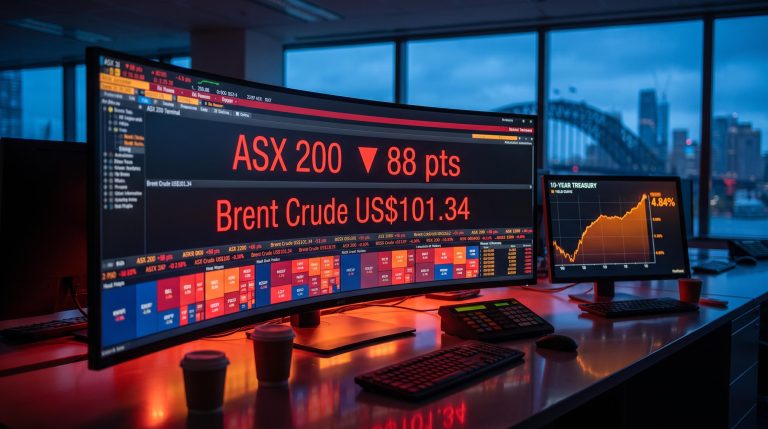
ASX 200 Futures Slide 1% as Oil, Yields and Trade War Collide
Sep 10, 2026

ASX futures are the pre-market barometer of Australian equity sentiment, providing investors with real-time signals about how the ASX 200 is expected to open based on overnight global market movements. StockWire X covers ASX futures data, pre-market analysis, and the global developments that drive overnight futures positioning. Understanding what ASX futures are telling you before the market opens gives investors a material information edge at the start of each trading day.


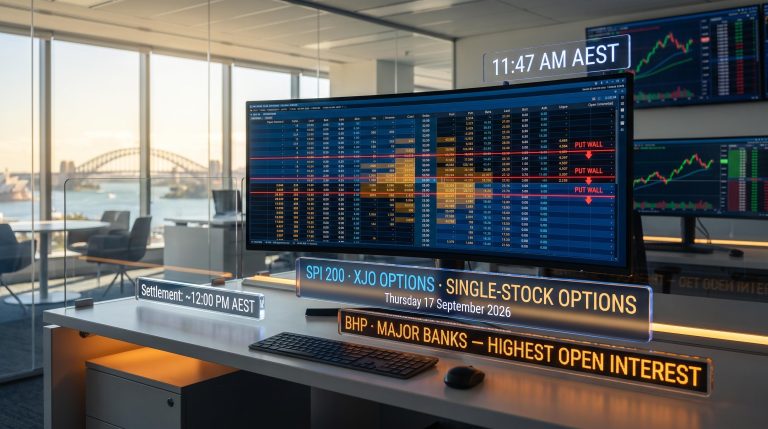
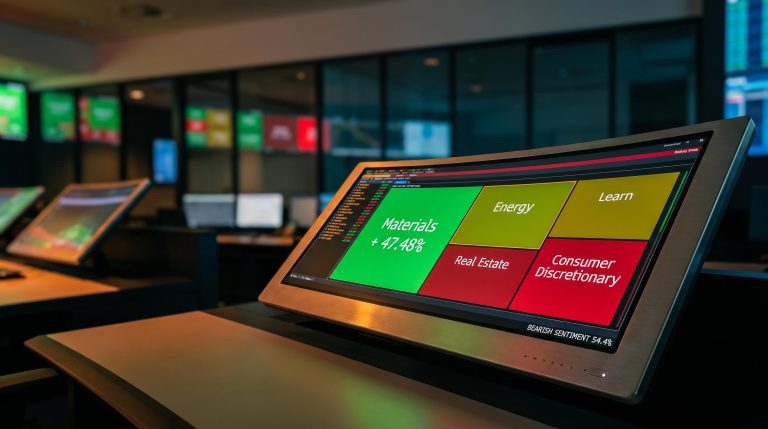
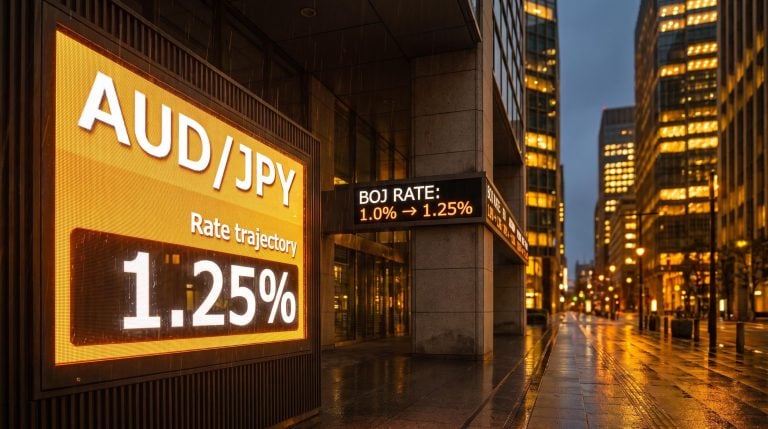
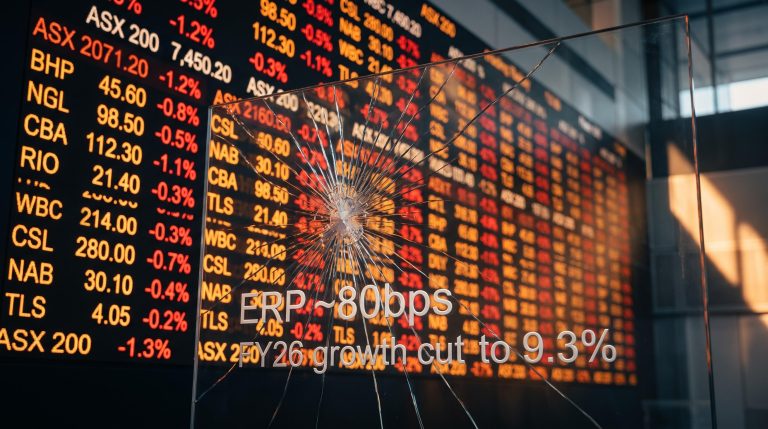



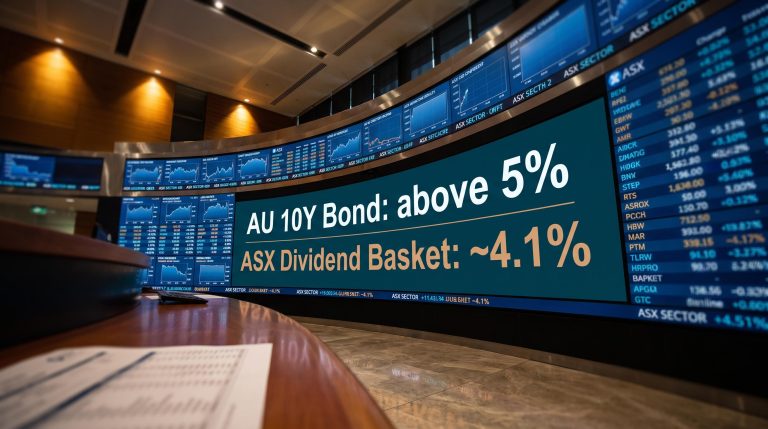
ASX SPI 200 futures are exchange-traded contracts that allow investors to speculate on or hedge against movements in the ASX 200 index, and serve as the primary pre-market pricing mechanism for Australian equities. The relationship between ASX futures and overnight Wall Street movements, commodity prices, and Asian market sessions creates a predictable pre-market information cascade that experienced investors monitor closely. Institutional traders use ASX futures for portfolio hedging, tactical asset allocation adjustments, and leveraged directional positions. Retail investors monitor ASX futures as a gauge of opening market sentiment and an early warning system for significant market moves. StockWire X covers ASX futures movements, pre-market signals, and the global market drivers behind each session's anticipated opening in the Australian equity market.
ASX futures (SPI 200) are derivative contracts based on the ASX 200 index that trade overnight on the ASX 24 platform. They incorporate the impact of US market movements, commodity prices, and Asian market performance to provide a real-time estimate of where Australian equities will open. A positive ASX futures reading typically signals a higher open for the ASX 200, though actual opening prices can diverge from futures-implied levels on large domestic news events.
ASX futures today reflect the overnight accumulation of global market signals, primarily driven by US equity performance, commodity price movements, and Asian session trading. Investors check ASX futures before the market open each morning to position their portfolios for the expected session direction. Strong positive futures signal likely gains at open, while negative futures suggest opening weakness. StockWire X tracks ASX futures movements and provides pre-market analysis each morning.
ASX 200 futures (officially the S&P/ASX 200 SPI Futures contract) are used by institutional investors for portfolio hedging, allowing them to reduce equity market exposure quickly without selling underlying shares. They are also used by proprietary traders for leveraged directional speculation and by portfolio managers implementing tactical asset allocation overlays. Retail investors primarily use ASX 200 futures data as a pre-market directional indicator rather than directly trading the contracts.
ASX futures trade on the ASX 24 market and operate nearly 24 hours a day during the trading week, with only a short daily maintenance break. This extended trading session allows participants to respond to international market movements, economic releases and geopolitical events outside standard Australian equity market hours. As a result, futures pricing often reflects overnight developments and is closely watched ahead of the local market open as an early signal of expected direction and investor sentiment.
ASX futures are widely used as a forward-looking gauge of market sentiment, with movements in SPI 200 futures often indicating how investors expect the Australian share market to open or react to new information. Rising futures typically suggest positive risk appetite and supportive global conditions, while declines may reflect caution, macro concerns or negative offshore leads. Beyond the open, sustained moves in futures can signal broader shifts in positioning, sector rotation and institutional activity, making them a key reference point for interpreting short-term market dynamics and capital flows.