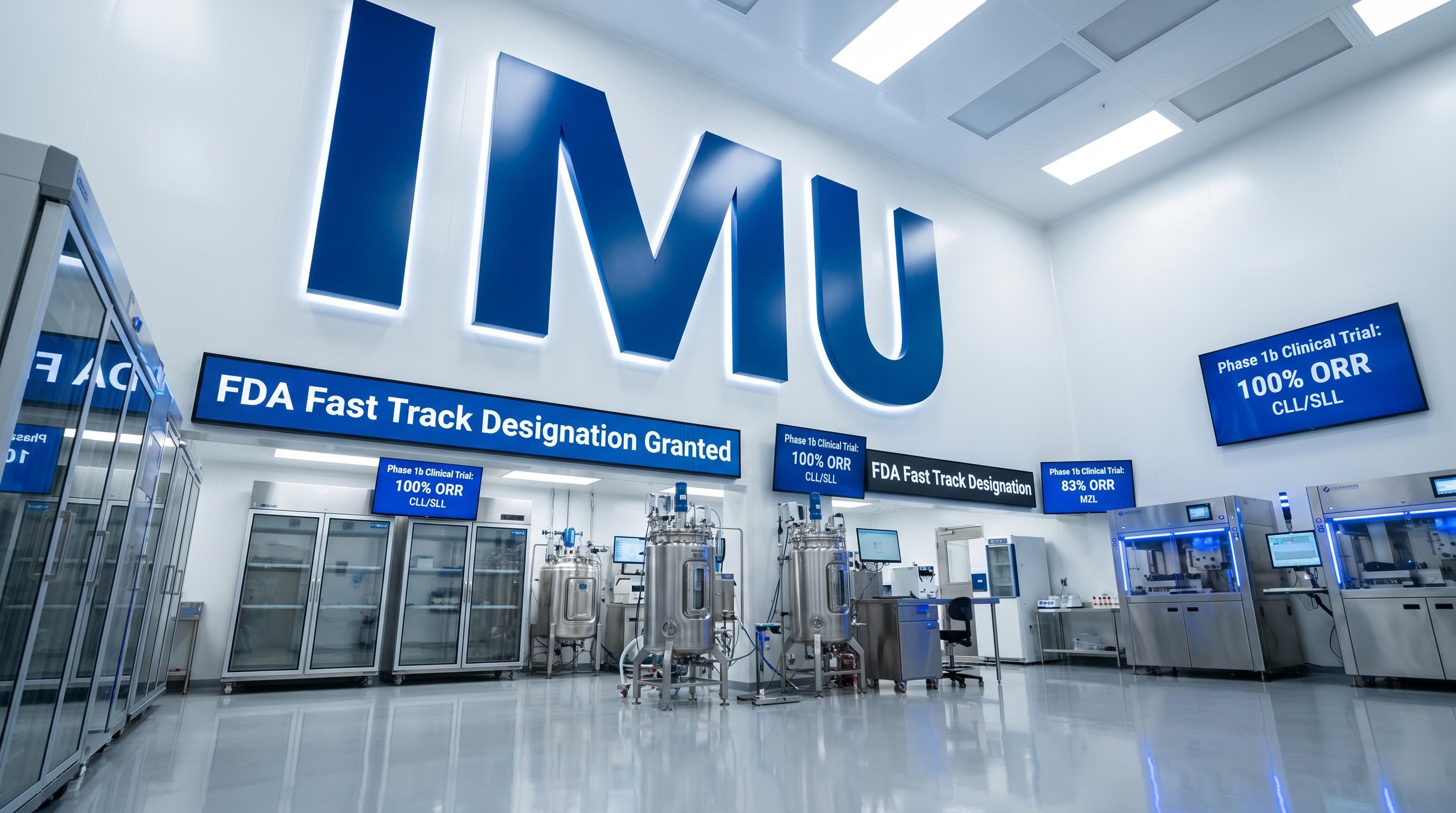
Epsilon Healthcare Secures Exclusive Global Manufacturing Rights to Cannabinoid Platform
54 mins ago

Health policy decisions, from drug pricing reforms to public healthcare funding allocations, have direct consequences for healthcare sector investors. StockWire X tracks legislative developments, regulatory agency rulings, and government budget announcements that reshape investment conditions across pharmaceuticals, medtech, and health services. Staying ahead of policy change is a material edge for any investor with healthcare exposure.



































Health policy is a pervasive force in healthcare investing, influencing everything from drug reimbursement rates to medical device approval timelines and hospital funding models. Sweeping reforms such as US drug pricing legislation, Australian PBS listing decisions, and EU medical device regulation updates have significant downstream impacts on company revenues and valuations. Investors who track policy developments ahead of the market can position for sector rotations and regulatory-driven re-ratings. StockWire X monitors health policy news across key markets including Australia, the US, and the UK, analysing the investment implications of each major development. Our coverage spans pharmaceutical regulation, health system reform, medical device policy, and biosimilar market dynamics.
Health policy encompasses the decisions, regulations, and funding frameworks that govern healthcare systems. For pharmaceutical companies, key policy areas include drug pricing regulation, reimbursement frameworks like Australia's PBS, regulatory approval processes, and generic drug market rules. Policy changes in major markets can materially alter revenue forecasts for listed healthcare companies.
The most investment-relevant health policy topics include drug pricing reform, healthcare system funding levels, medical device regulation changes, biosimilar market access policy, and digital health reimbursement frameworks. In Australia, PBS listing decisions and TGA regulatory updates are closely watched. In the US, Medicare and Medicaid policy changes affect a significant portion of pharmaceutical revenue.
Australian health policy is centralised through the federal government via the PBS for pharmaceuticals and MBS for medical services, providing a single-payer reimbursement structure. The US has a mixed public and private payer system with Medicare, Medicaid, and commercial insurance creating multiple reimbursement pathways. For ASX-listed companies with US exposure, understanding both regulatory environments is essential for assessing revenue risk and opportunity.
Healthcare funding models, including the balance between public and private payer systems, reimbursement rates, and value-based care adoption, directly affect revenue and margin profiles for health sector companies. Shifts toward government-funded models typically compress margins for providers but may expand volumes. Value-based care arrangements tie provider reimbursement to patient outcomes rather than service volumes, incentivising efficiency but creating revenue uncertainty during transition.
Government drug pricing policies, including reference pricing, mandatory rebate programmes, and price negotiation mechanisms, can significantly affect pharmaceutical company revenue expectations. Policy shifts that expand government negotiating power tend to compress sector valuations, particularly for companies with concentrated revenue in affected markets. Investors track legislative developments in major markets to assess pricing policy risk for individual holdings.