
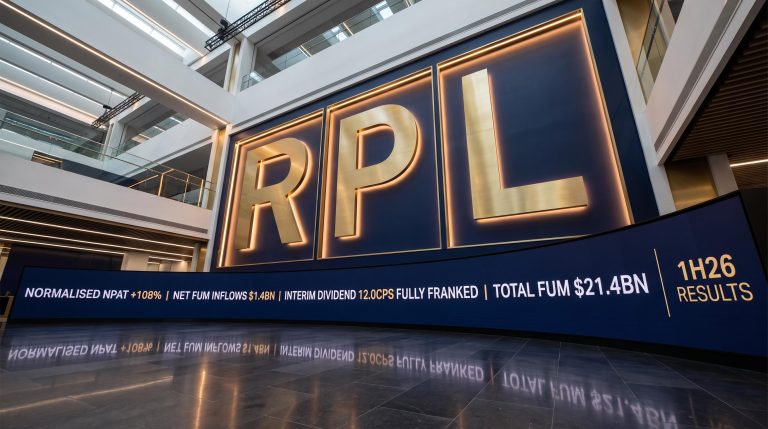
Navigator Global Lifts Q1 FY27 Assets 8.9% to US$36.6B as Stable Growth Deal Lands
Oct 15, 2026
































The global hedge fund industry manages trillions in assets across thousands of funds employing diverse investment approaches, from fundamental equity long/short and global macro to quantitative systematic strategies and credit-focused funds. Hedge fund positioning disclosures, particularly 13F filings in the US, have become closely watched by retail and institutional investors seeking to understand what sophisticated capital is doing. Performance dispersion between strategies is significant, with macro funds often thriving in volatile environments while equity-neutral strategies perform better in low-volatility markets. StockWire X tracks hedge fund news, major position changes, strategy performance data, and the market conditions favouring different alternative investment approaches.
Top hedge funds by AUM include Bridgewater Associates, Man Group, Millennium Management, and Citadel. US-based hedge funds with over $100 million in assets are required to disclose equity holdings quarterly via 13F filings with the SEC. These filings are widely followed by investors seeking to understand institutional positioning. StockWire X covers notable hedge fund position changes and the investment implications of major fund moves.
Hedge funds can significantly affect stock prices through large position builds and exits, short selling activity, and the collective influence of similar positioning across the industry. When multiple hedge funds are positioned similarly, their collective buying or selling can amplify price moves. Short selling by hedge funds can suppress stock prices and signal negative institutional views, while large long position builds often trigger buying interest from other investors.
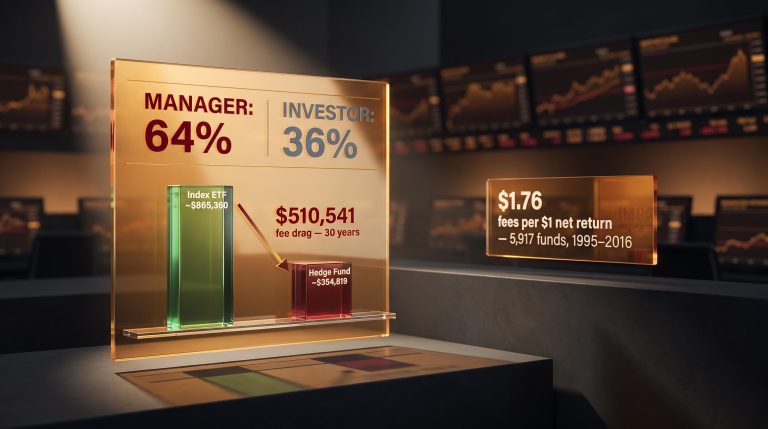
A hedge fund ETF replicates hedge fund investment strategies in an exchange-traded structure, providing retail investors with access to long/short equity, managed futures, or alternative risk premia approaches. These products give broader investor access to hedge fund-style strategies without the minimum investment thresholds and lock-up periods of direct fund access. Performance and cost structures vary significantly between hedge fund ETF products.
Hedge fund performance is assessed using both absolute returns and risk-adjusted metrics. Investors commonly analyse measures such as the Sharpe ratio, alpha generation, and drawdowns to understand how a fund performs relative to risk taken. Consistency of returns across different market environments is also critical, as hedge funds are expected to perform in both rising and falling markets. Benchmark comparisons are used, but many investors focus on whether the fund delivers uncorrelated returns and protects capital during periods of volatility.
Hedge funds carry several risks, including leverage, liquidity constraints, and strategy complexity. Leverage can amplify both gains and losses, while illiquid positions may limit the ability to exit trades quickly. Some strategies depend heavily on market conditions, such as volatility or interest rate trends, which can shift rapidly. There is also manager risk, where performance depends on the skill and decisions of the fund manager. For investors, understanding these risks is essential when assessing how hedge funds may impact portfolios and broader market movements.