Cleanaway Clears Due Diligence as EQT Advances Takeover Pursuit
Sep 14, 2026

Private markets, spanning private equity, venture capital, private credit, and infrastructure, have grown to become a dominant force in global capital allocation, managing trillions in assets and shaping the competitive landscape of public markets. StockWire X covers private markets news with analysis of deal flow, fund performance, notable transactions, and the implications of private capital activity for listed company investors. Understanding private market dynamics is increasingly essential for public equity investors.














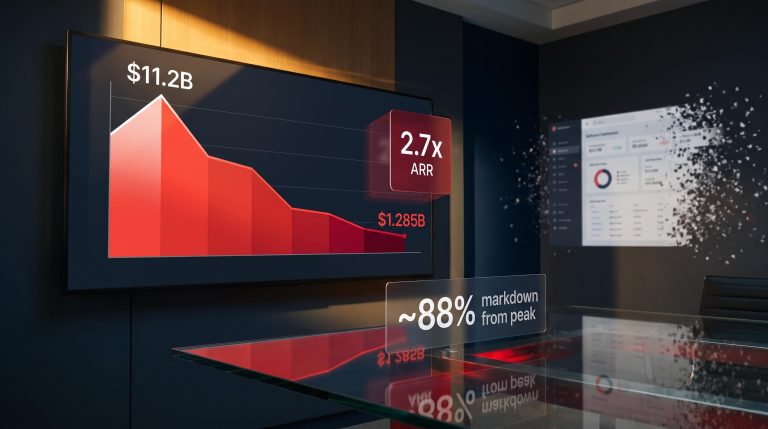




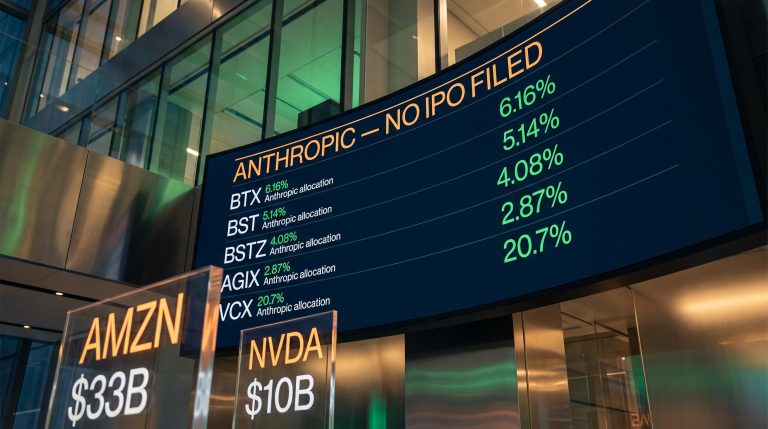









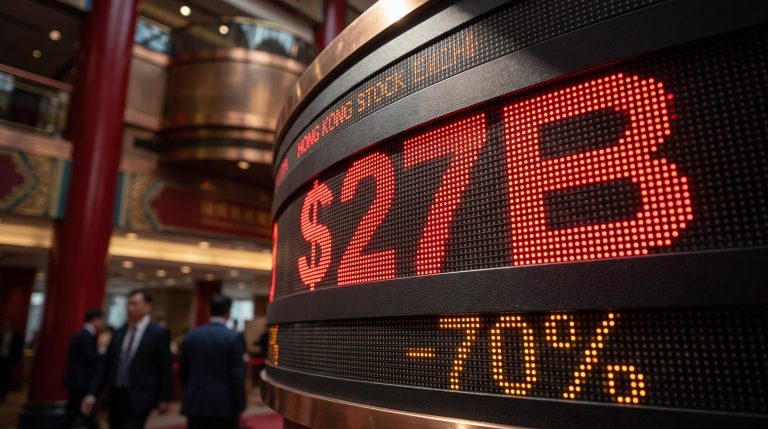



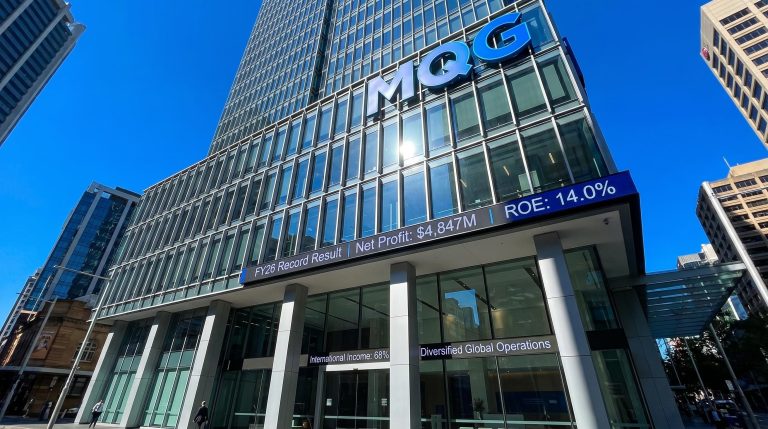

Private markets have experienced dramatic growth over the past two decades as institutional investors have allocated increasing portions of portfolios to illiquid asset classes in search of return premium and diversification. Private equity buyouts, venture capital investments, private credit, and infrastructure funds collectively represent one of the most significant pools of investment capital in the world. The relationship between private and public markets is increasingly intertwined, private equity exit activity through IPOs and trade sales directly affects listed market supply, while public-to-private buyouts remove companies from listed markets. StockWire X monitors private markets news relevant to public equity investors, including PE deal activity, venture funding rounds for companies approaching IPO, and private credit market developments. As private market strategies become more accessible through listed vehicles and semi-liquid structures, retail investors increasingly need private markets intelligence to make informed portfolio decisions.
Private markets investing involves allocating capital to assets not listed on public stock exchanges, including private equity, venture capital, private credit, and unlisted infrastructure. Unlike public markets, private investments are illiquid and require longer holding periods, but can offer return premiums for accepting that illiquidity and navigating the information asymmetry inherent in private company investing.
Public markets offer daily liquidity, price transparency, and regulatory disclosure requirements. Private markets offer potentially higher returns from illiquidity premiums and information advantages, but require long investment horizons, offer no daily pricing, and have higher minimum investment thresholds. Many institutional investors maintain allocations to both to optimise their return and liquidity profiles.
Secondary market transactions in private markets involve the sale of existing private fund interests or direct company stakes between investors before the fund's natural exit timeline. Secondary trades provide liquidity solutions for investors needing to exit before a fund matures and allow buyers to acquire seasoned portfolios at potential discounts. The secondary market has grown significantly as private markets have expanded.
Private equity involves acquiring equity stakes in private companies with the goal of improving operations and selling at a higher valuation over a three to seven year horizon. Private credit involves lending to private companies, generating returns through interest income. Private credit has grown as banks retreated from certain lending markets, offering fixed income-like returns with illiquidity premiums. Both sit within private markets but have different return profiles and economic sensitivity.
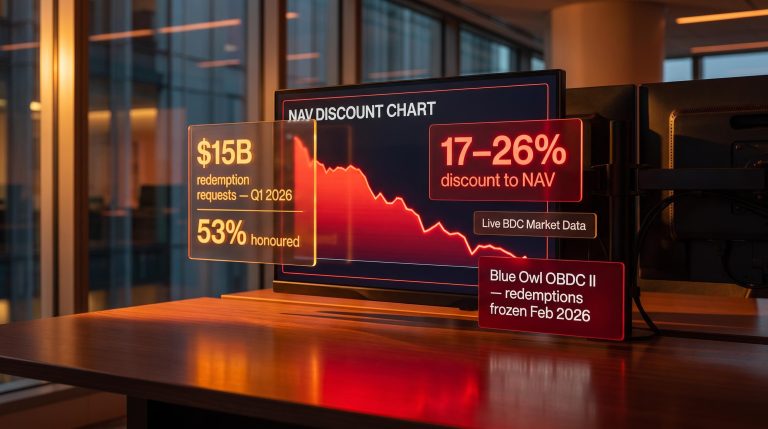
Listed investment companies, business development companies, and closed-end funds provide exchange-traded access to private market assets that would otherwise be inaccessible to retail investors. These vehicles pool capital and deploy it into private equity, private credit, or infrastructure investments. The listed structure provides daily liquidity, though vehicles often trade at discounts or premiums to their net asset value.
 9/10
9/10