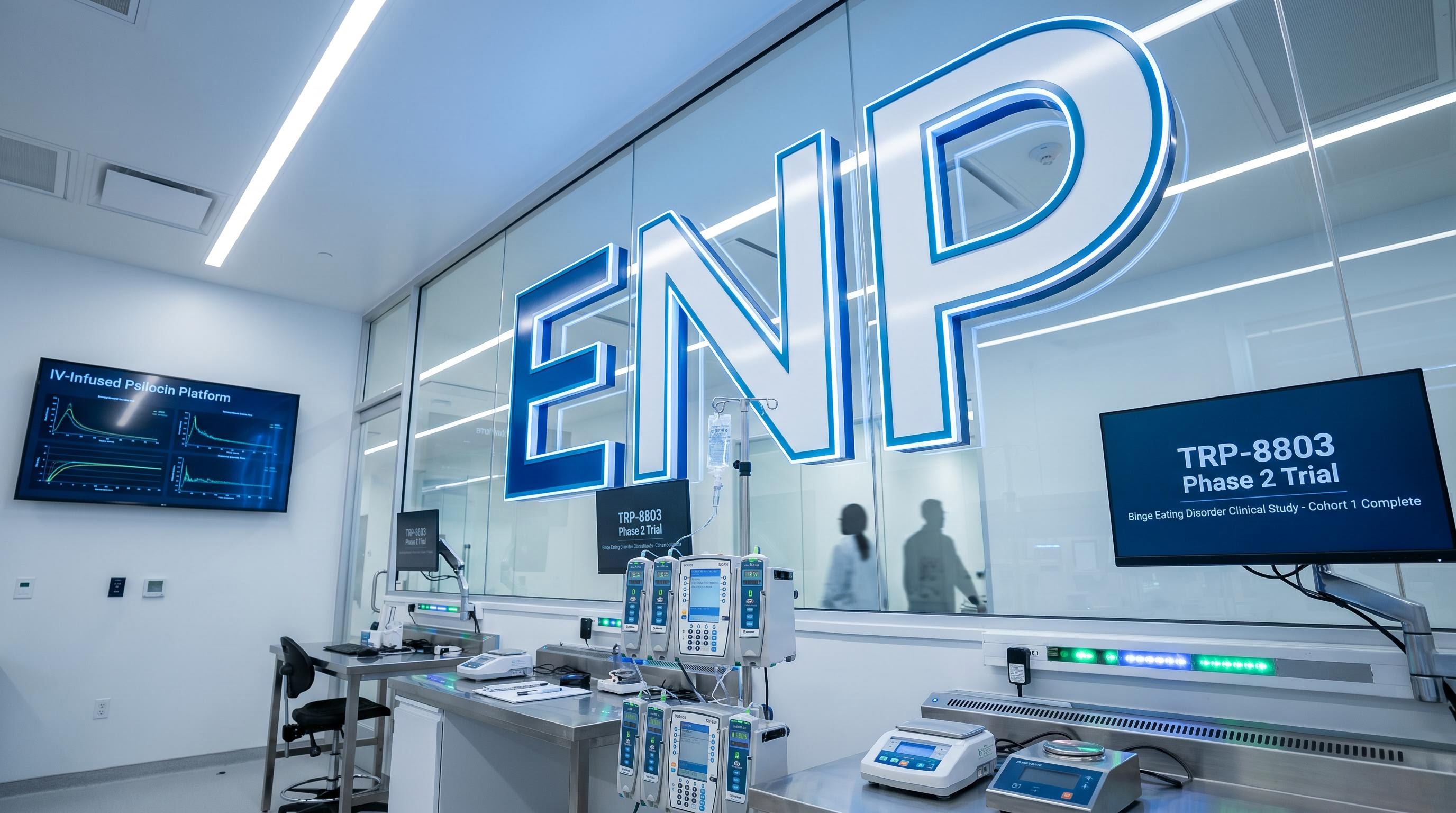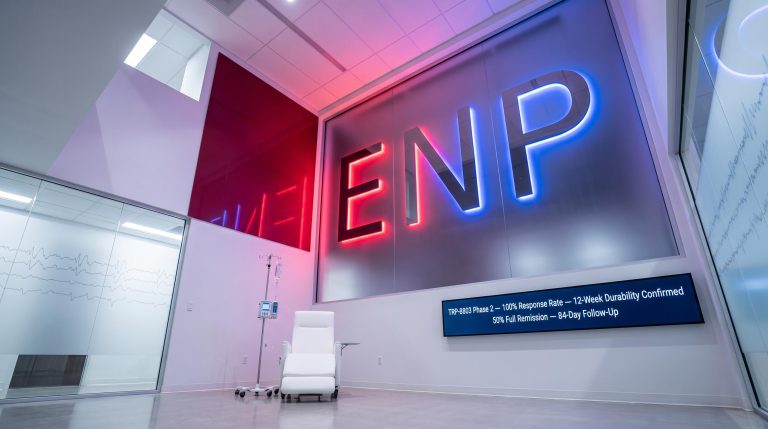
Entropy Neurodynamics Reports 100% Improvement and 50% Remission at 12 Weeks
Sep 14, 2026

Neuropsychiatry sits at the intersection of neurology and psychiatry, covering conditions of the brain that affect mood, cognition and behaviour. As drug pipelines mature and diagnostics improve, investor interest in this sector is growing. StockWire X tracks the companies, clinical data and capital flows shaping neuropsychiatry markets.





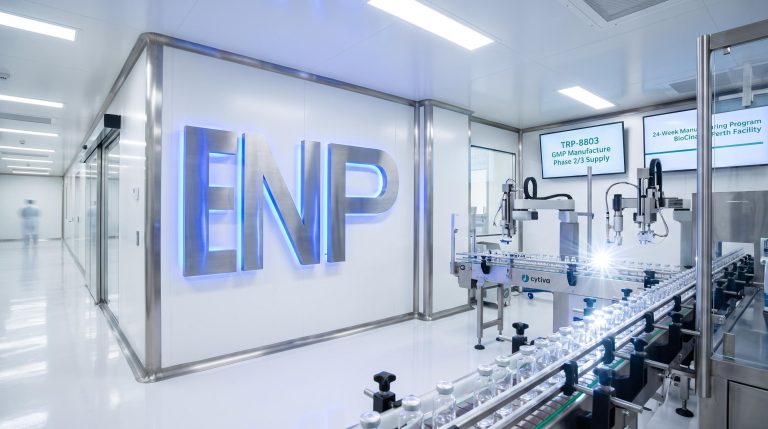



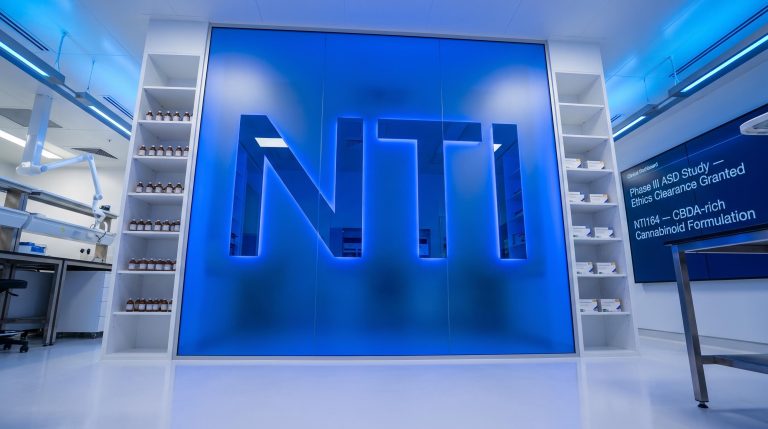



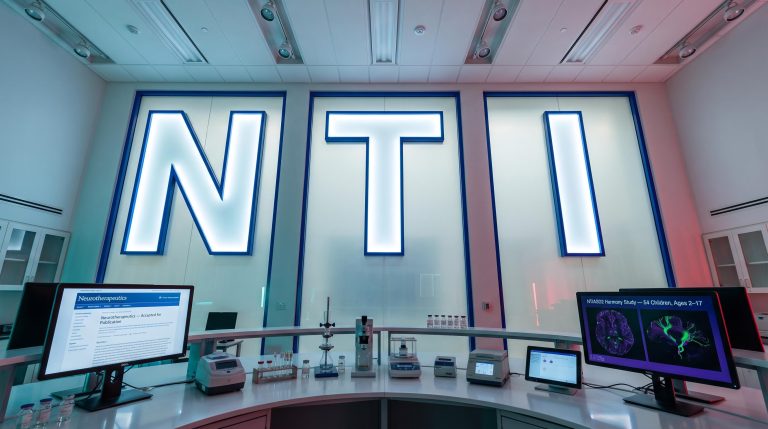

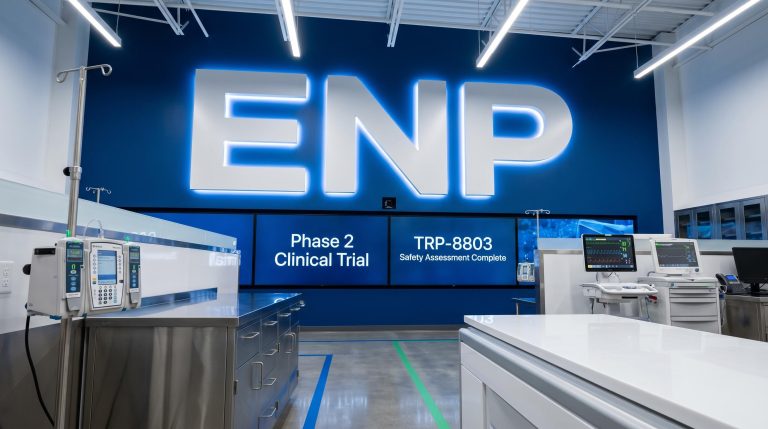

The neuropsychiatry sector spans pharmaceutical developers, biotech companies and medical device manufacturers targeting brain disorders with both neurological and psychiatric dimensions. From treatment-resistant depression to schizophrenia and traumatic brain injury, the pipeline is deep and the market opportunity significant. Investors track clinical trial milestones, FDA and TGA approval timelines, patent cliffs and acquisition activity. StockWire X provides ongoing news coverage, stock analysis and market intelligence across the full neuropsychiatry investment landscape.
Neuropsychiatry is the medical specialty addressing conditions at the intersection of neurology and psychiatry, including treatment-resistant depression, schizophrenia, PTSD, and traumatic brain injury. For investors, it represents a large unmet medical need driving significant pharmaceutical and biotech investment, with multiple clinical programmes across major companies targeting the neuropsychiatry space.
Neuropsychiatry drug development spans large pharmaceutical companies with CNS divisions, specialist biotech companies targeting specific conditions, and medical device companies in neuromodulation. Investors track companies with Phase 2 and Phase 3 neuropsychiatry clinical programmes as they approach the binary value events of data readouts and regulatory submissions.
Neurology focuses on disorders with primarily structural or biochemical neurological causes, such as Parkinson's disease or epilepsy. Neuropsychiatry specifically addresses disorders where both neurological and psychiatric dimensions are present. As a narrower, more specialised field, neuropsychiatry investments tend to be concentrated in smaller specialist companies with binary clinical risk rather than the larger diversified neurology sector.
Clinical trial outcomes are the primary value driver for neuropsychiatry stocks. Positive Phase 2 or Phase 3 data for a CNS drug candidate can trigger significant share price appreciation as it de-risks the pipeline and improves probability of regulatory approval. Negative trial results, particularly for late-stage assets, can cause substantial share price declines. Investors track trial design, primary endpoints, patient population size, and comparator arms to assess the likelihood of a successful outcome before results are announced.
Neuropsychiatry drugs follow standard FDA and TGA regulatory pathways, but CNS indications often qualify for Breakthrough Therapy Designation or Fast Track status, which can accelerate review timelines. Orphan Drug Designation applies to rare CNS conditions and provides market exclusivity benefits. The regulatory pathway determines the time to potential commercialisation and the probability of approval, both of which affect how the market values a company's pipeline assets.