The assets investors buy for protection are moving in the wrong direction. Government bonds, gold, and the Japanese yen have all lost ground since the Iran War began, leaving many Australian investors staring at portfolios where the defensive layer is compounding losses rather than cushioning them. This is not random market noise. It reflects how supply-shock crises behave differently from the demand-shock crises that shaped most investors’ expectations, and it demands a recalibrated approach. The Iran War has effectively closed the Strait of Hormuz, triggering what the International Energy Agency has described as the largest oil supply shock on record. The standard crisis playbook of rotating into bonds is not delivering its usual result. This guide explains what is actually happening to fixed income, cash, and defensive assets, why this dislocation is less severe than 2022, and what specific steps Australian investors can take now, including which ASX-listed ETFs are suited to the current environment.
Why your defensive assets are moving in the wrong direction
If a portfolio’s bond allocation has declined alongside its equity allocation since early 2026, the instinct is to question whether something has broken. In prior crises, the relationship was reliable: during the GFC and the COVID crash, government bonds rose as equities fell, providing exactly the counterweight they were supposed to provide. The Iran War has disrupted that relationship, and the reason is structural rather than random.
The distinction comes down to the type of crisis. In a demand-shock crisis, economic activity collapses, inflation falls, and capital floods into government bonds for safety, pushing yields down and prices up. In a supply-shock crisis, the mechanism reverses:
- Demand-shock crisis (GFC, COVID): Economic contraction pushes inflation lower, central banks cut rates, bond prices rise, and the defensive allocation does its job.
- Supply-shock crisis (Iran War, 2022 energy shock): Disrupted supply pushes inflation higher, central banks raise or hold rates, bond yields rise, and bond prices fall alongside equities.
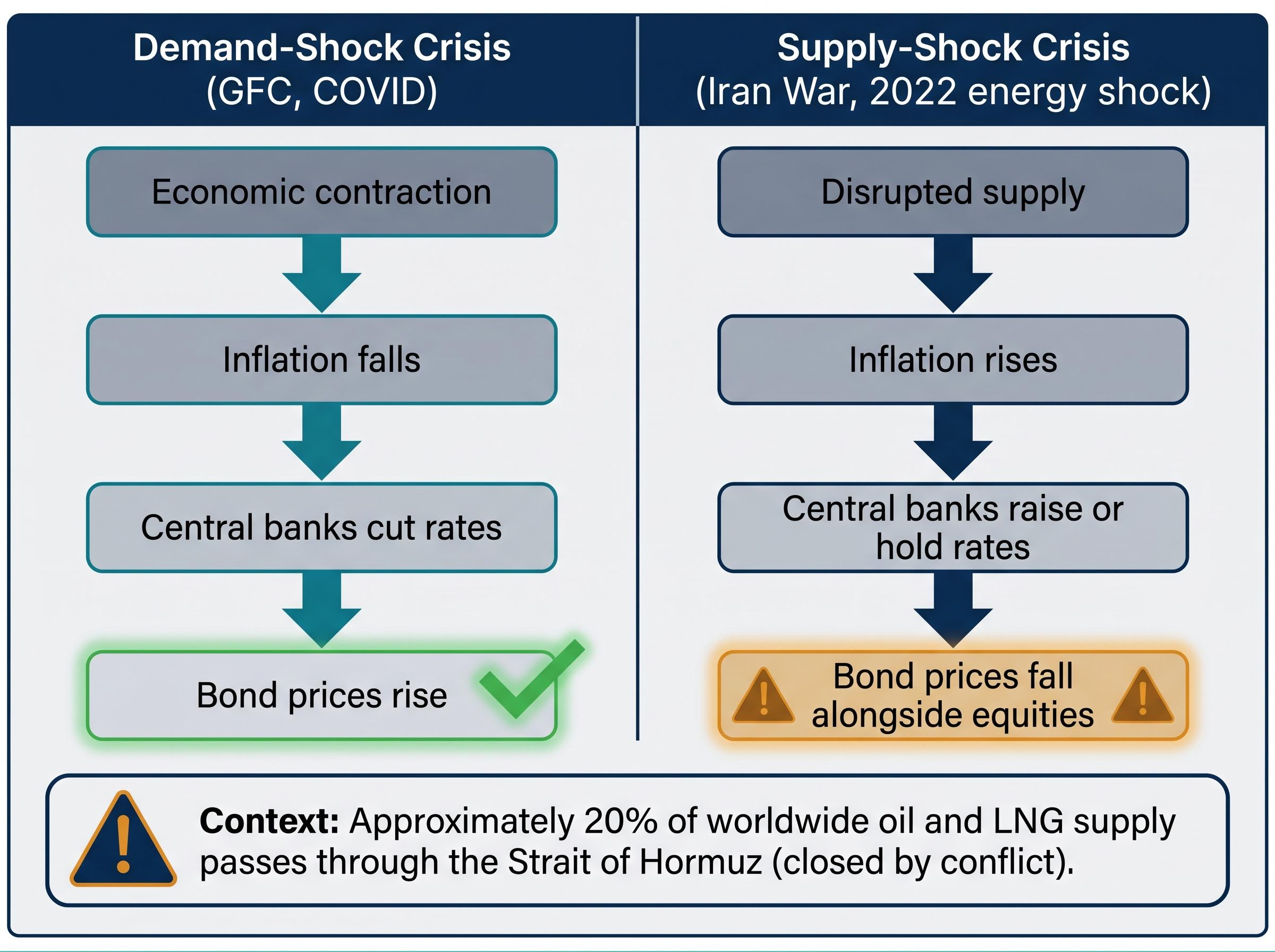
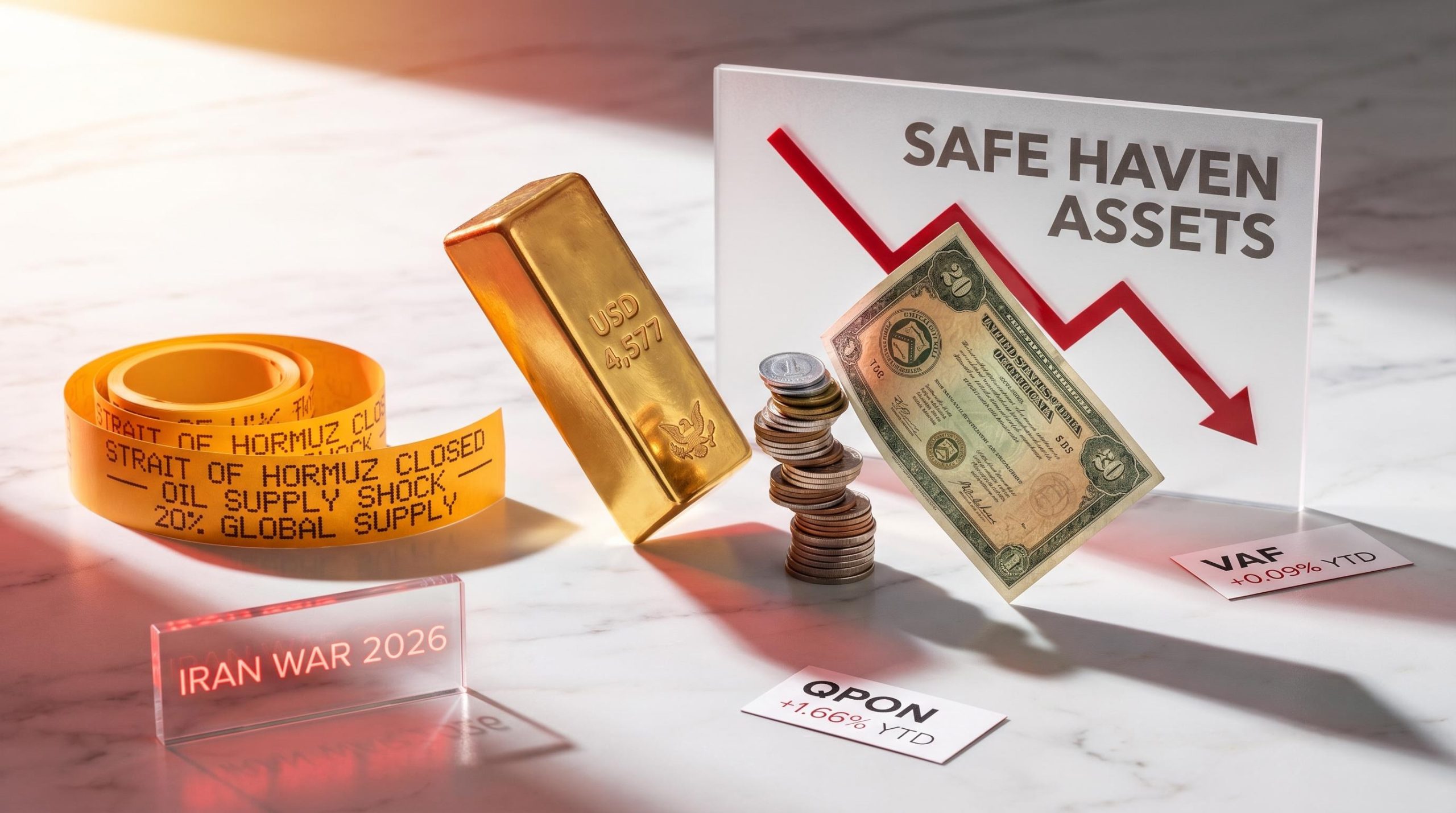
Approximately 20% of worldwide oil and LNG supply passes through the Strait of Hormuz, now effectively closed by the conflict.
This is the mechanism at work. The Iran War is an energy supply shock, and its inflationary pressure is pushing bond yields upward rather than pulling them down. The correlation between global equities and global government bonds, which LSEG and Morningstar data show typically moves in opposite directions during crises, has broken down.
NBER research on stock-bond correlation establishes that supply-side shocks can flip the typical negative relationship between equities and government bonds, providing the theoretical grounding for why the correlation breakdown observed since early 2026 follows a recognisable economic pattern rather than representing a structural failure of fixed income markets.
2022 is the closest historical parallel. Pandemic supply chain disruptions combined with the Ukraine energy shock produced a year in which bonds failed their defensive role comprehensively. The current dynamic has precedent. Understanding this distinction matters before making any portfolio adjustment, because investors who misdiagnose the problem tend to overcorrect in ways that create new risk rather than reducing it.
The closest structural parallel to the current crisis is the 1973 OPEC oil embargo, when a physical commodity chokepoint drove simultaneous equity and bond losses that confounded investors who expected conventional defensive assets to absorb the shock, much as they are doing now.
When big ASX news breaks, our subscribers know first
What the bond market is actually telling you right now
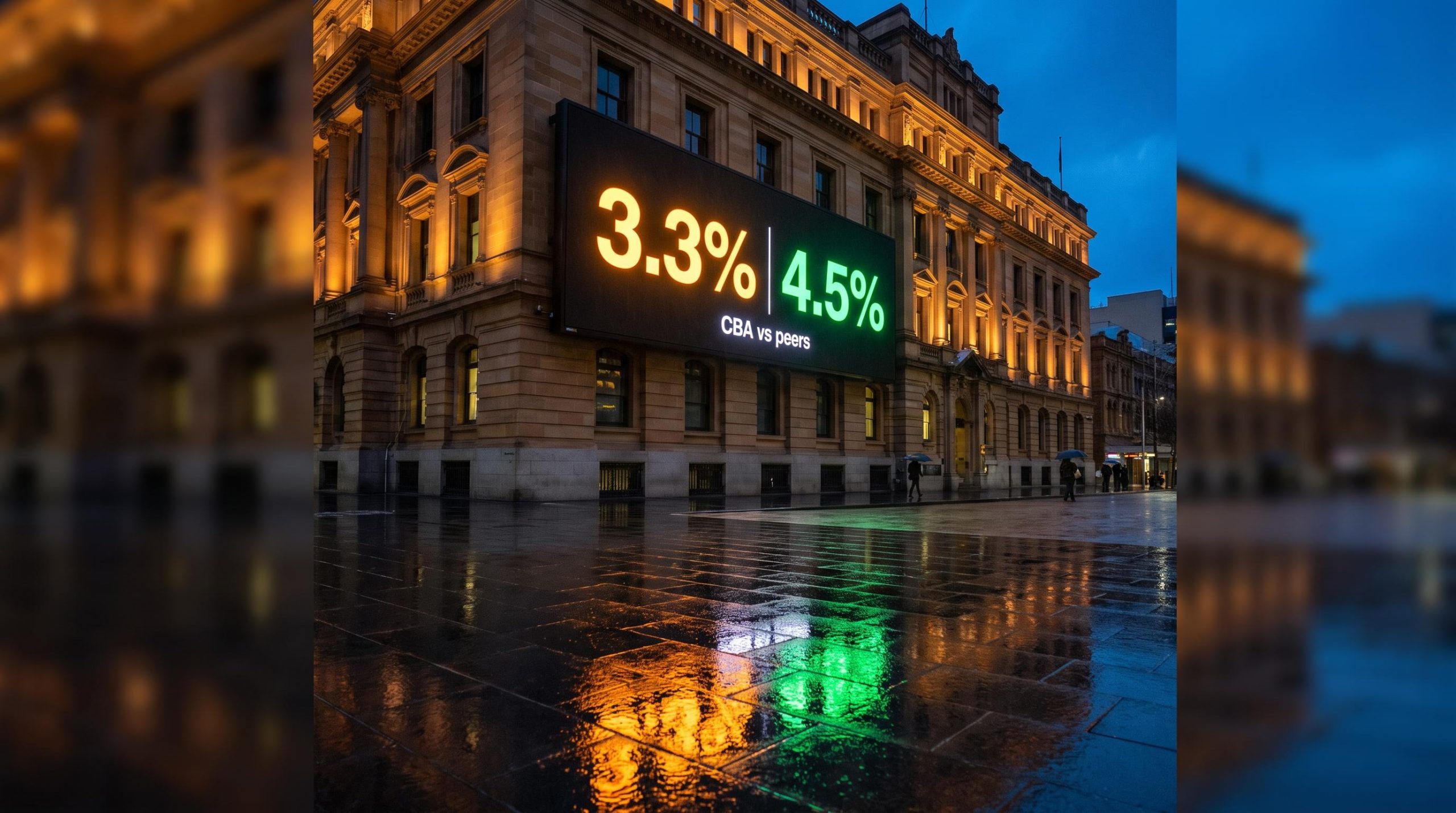
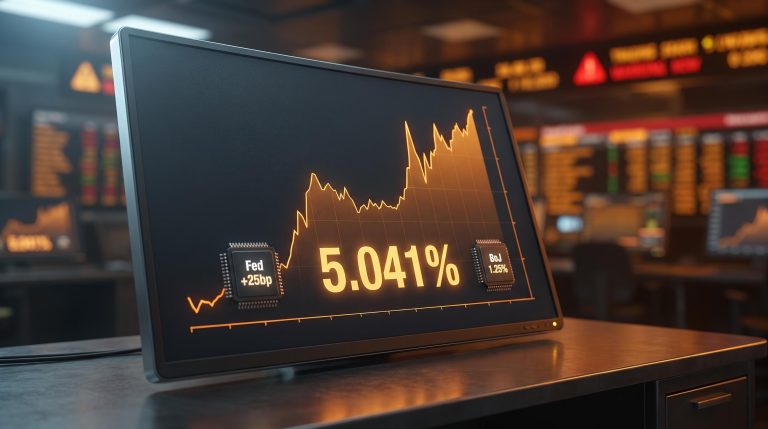
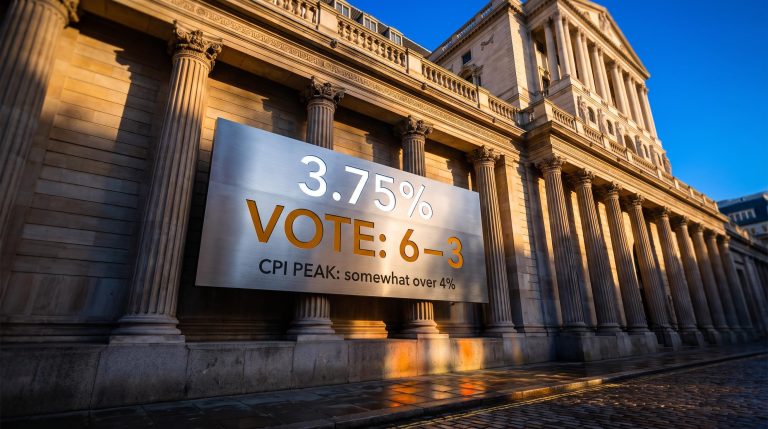
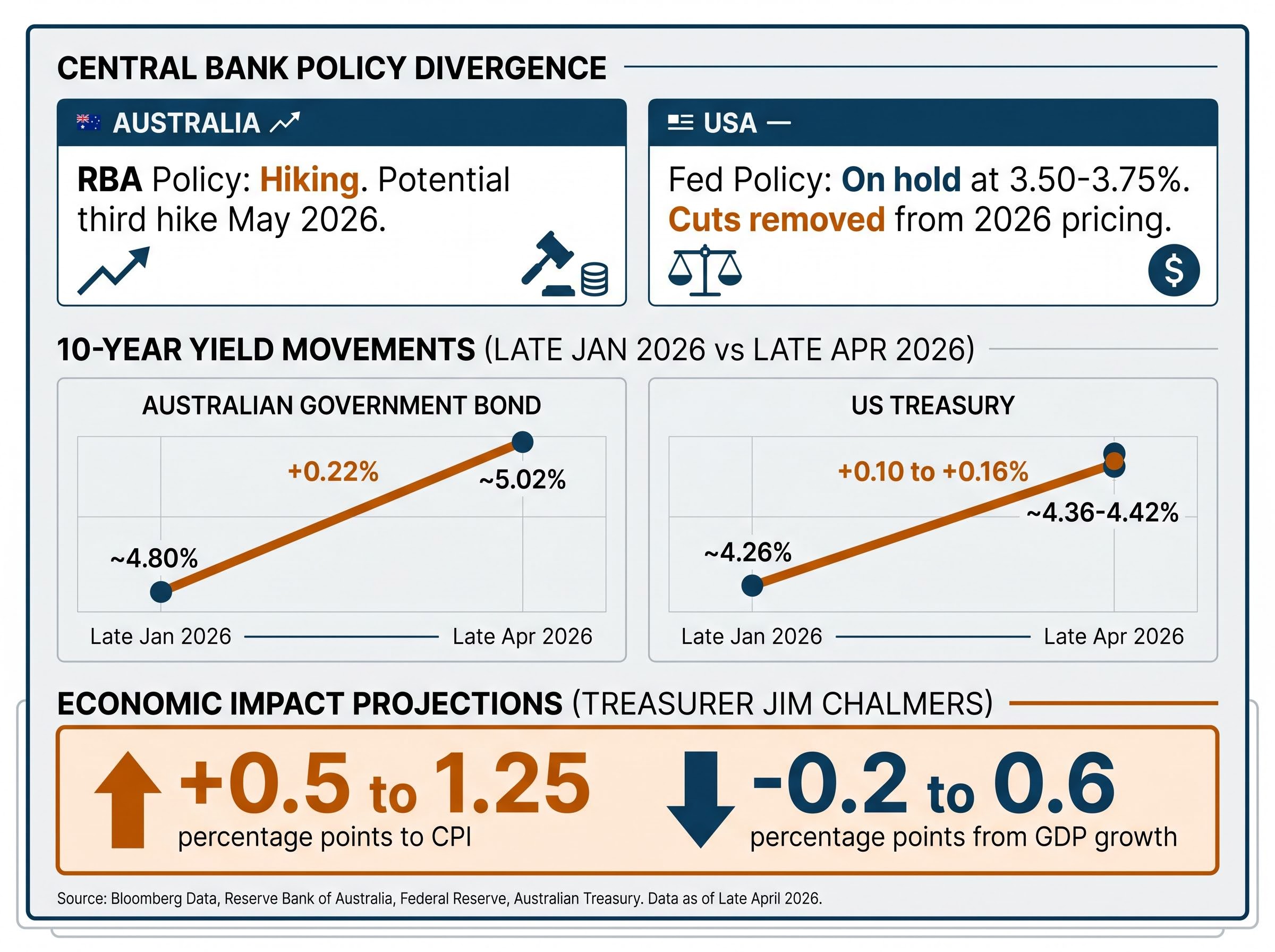
Australian and US government bond yields have moved higher since the start of the year, but the pressure is arriving from two different directions. At the short end of the yield curve, the Reserve Bank of Australia has delivered back-to-back rate hikes, with a potential third hike in May 2026 under consideration. The US Federal Reserve has held its target range at 3.50-3.75%, but markets have removed all 2026 rate cuts from pricing. Short-term yields reflect central bank inflation-fighting signals.
The RBA Statement on Monetary Policy projects underlying inflation peaking at 3.7% in mid-2026 and remaining above the 2-3% target band until early 2027, a forecast that directly frames why short-term yields continue to reflect inflation-fighting pressure rather than easing signals.
At the long end, the pressure is different. Ten-year yields are climbing on fiscal concerns about prolonged conflict spending and structurally higher inflation expectations. Australian Treasurer Jim Chalmers’ economic models project war-related inflation adding 0.5-1.25 percentage points to headline CPI while subtracting 0.2-0.6 percentage points from GDP growth. The bond market is pricing that dual pressure simultaneously.
| Indicator | Late January 2026 | Late April 2026 | Policy stance |
|---|---|---|---|
| 10-year Australian Government Bond yield | ~4.80% | ~5.02% | RBA hiking; third hike possible May 2026 |
| 10-year US Treasury yield | ~4.26% | ~4.36-4.42% | Fed on hold at 3.50-3.75%; cuts removed from 2026 pricing |
The yield movement is real. But it is only half the picture.
The income cushion bonds still provide
Total return from a bond comprises two components: price change and coupon income. The coupon is paid regardless of price volatility, and the higher the yield at purchase, the larger the income buffer against further price declines.
An Australian government bond purchased at a 5.02% yield delivers that income annually irrespective of whether the bond’s market price falls another 2% or 3%. Institutional investors have moved constructively on bonds above 4% yield, a signal that the income component is starting to attract capital even as headline prices remain under pressure.
For Australian investors with a long time horizon, judging a bond allocation solely on recent price performance ignores the income component that compounds quietly underneath. The bond market is stressed, but it is not broken.
Understanding safe haven assets: what they are and when they actually work
A safe haven asset is one that holds or gains value when broader markets are under stress, providing a counterweight to equity losses. The term appears frequently during crises, but the label is conditional rather than permanent. Different assets serve the function in different crisis types.
The Iran War has exposed exactly how conditional the label is. Several assets widely considered safe havens have failed to deliver protection in this specific environment:
- Japanese yen: Undermined by Japan’s heavy dependence on oil imports, which worsens its trade balance during an energy supply shock.
- Gold: Vulnerable after an approximately 80% rally over the two years preceding the war, which left it in a crowded trade. Dollar strength and gold’s zero-income disadvantage at elevated interest rates have added further selling pressure. As of late April 2026, gold sits at approximately USD 4,577-4,705 per ounce.
- US Treasuries: Yields pushed higher by inflation fears rather than pulled lower by flight-to-safety demand.
Gold’s approximately 80% rally in the two years before the Iran War left it in one of the most crowded trades in commodity markets, making it vulnerable to profit-taking precisely when stress arrived.
What has worked in this crisis tells a different story. The US dollar has strengthened, underpinned by America’s energy self-sufficiency, which insulates its economy from the supply disruption that is punishing energy-importing nations. The Australian dollar has also shown relative resilience, supported by Australia’s status as a net energy exporter.
Morningstar and Macrobond currency data from 17 March 2026 showed a clear divergence between energy-exporter and energy-importer currencies. For Australian investors, this resilience is structural rather than coincidental, and it has direct implications for evaluating hedged versus unhedged international holdings. An asset that functions as a safe haven in one crisis may fail in the next. The label describes behaviour, not identity.
Is the market overpricing the rate risk?
Markets have priced out every 2026 rate cut for both the RBA and the Fed, and some scenarios include a 25 basis point Fed hike as the next move. The question worth examining is whether this pricing has overshot.
Rates are already at levels where further tightening risks tipping economies toward recession. The RBA’s back-to-back hikes have pushed Australian term deposit rates above 5%, and mortgage stress is a live political issue. The Fed’s 3.50-3.75% target range, once expected to fall three times this year, is now priced to hold indefinitely. At some point, the growth damage from sustained high rates becomes the dominant concern, and the inflation premium currently built into bond markets begins to unwind.
The comparison with 2022 is instructive:
- 2022: Simultaneous pandemic supply chain breakdown, Ukraine energy shock, and widespread goods inflation across multiple sectors. Central banks were raising rates from near zero.
- 2026: A more narrowly concentrated energy supply shock, without the concurrent pandemic aftereffects. Rates are already elevated, limiting the scope for further increases.
The current disruption is severe, but it is not the multi-front inflationary assault that made 2022 so damaging across every asset class. Rate-sensitive assets recovered meaningfully once the 2022 cycle peaked. If the same pattern holds, fixed income investors who exit now may miss the recovery.
BlackRock and aligned global asset managers anticipate a prolonged disruption from the Iran War rather than a short, sharp shock, a framing that favours sustained positioning over reactive tactical adjustments.
The tail risk that invalidates this thesis is stagflation: a 1970s-style environment where inflation persists even as growth contracts, trapping central banks between two unacceptable options. That outcome remains possible. The base case, however, is that current rate pricing reflects peak pessimism rather than a permanent new reality. The recovery is conditional, not guaranteed, but the conditions for it are identifiable.
Stagflation investing under a supply shock operates by different rules than the demand-driven recessions that most modern portfolio frameworks were calibrated against, because rate hikes designed to crush inflation simultaneously damage the growth side of the ledger rather than providing any relief to either variable.
Building a resilient Australian portfolio in a supply-shock world
The logic connecting each portfolio tier to the current environment matters more than the specific product names. The hierarchy runs from lowest risk to highest: adequate cash first, then income-generating fixed income, then diversified equity exposure.
Cash ETFs such as AAA (BetaShares Australian High Interest Cash ETF) and BILL (iShares Core Cash ETF) represent the lowest-risk tier, designed to capture elevated short-term rates. With Australian term deposit rates now exceeding 5% as a direct result of RBA hikes, cash instruments offer meaningful real returns for capital that needs to remain stable. The risk of over-weighting cash, however, is that it forfeits the higher income returns available from other instruments.
The fixed income tier is where product selection matters most. QPON (BetaShares Australian Bank Senior Floating Rate Bond ETF) has returned 1.66% year-to-date and 3.64% per annum over five years. Its floating rate structure means coupon income adjusts upward as rates rise, rather than suffering the capital losses that fixed-rate bonds experience. VAF (Vanguard Australian Fixed Interest Index ETF), by contrast, has returned just 0.09% year-to-date and 0.50% over one year. That performance gap is not accidental; it directly validates the floating rate thesis in a rising rate environment.
| ETF | Asset class | Rate sensitivity | YTD return | Primary use case |
|---|---|---|---|---|
| AAA | Cash | Minimal | N/A | Capital-stable liquidity at elevated cash rates |
| BILL | Cash | Minimal | N/A | Short-duration cash exposure; RBA rate pass-through |
| QPON | Floating rate bonds | Low (adjusts with rates) | 1.66% | Income generation in rising rate environment |
| VAF | Fixed rate bonds | High (inverse to rate rises) | 0.09% | Broad Australian fixed income; benefits if yields fall |
| VBND | Global aggregate bonds (hedged) | High | N/A | Diversified global bond exposure with currency hedge |
The role of quality equity ETFs as a long-term anchor
For investors with adequate cash reserves and fixed income allocation, quality-screened equity exposure provides the long-horizon growth component. AQLT holds 40 Australian companies selected on quality metrics including return on equity, low leverage, and earnings stability. QLTY holds 150 global companies (excluding Australia) ranked on return on equity and cash flow. VGS provides broad exposure to more than 1,000 large-cap developed market companies outside Australia.
Dollar-cost averaging, the practice of systematic buying through volatility, reduces the timing risk of adding equity in an uncertain environment. Some Australian commentators argue that quality dividend-paying shares may outperform term deposits over a long horizon, a contested but legitimate position that reflects the tension between capital stability and long-term growth potential.
Pricing power in equity selection has emerged as a differentiating factor in this environment, with companies in sectors like power generation and energy services able to pass through elevated input costs in ways that low-margin, debt-heavy businesses cannot, creating a measurable divergence in earnings outcomes as rate pressure persists.
The investor behaviour checklist for an active geopolitical crisis
The Iran War has created exactly the kind of environment where reactive decisions tend to produce the worst outcomes. The impulse to act, immediately and decisively, feels rational when headlines are alarming and portfolio values are declining. But a structured review process turns that reactive moment into a deliberate strategic assessment.
Five dimensions warrant reassessment when conditions change this materially:
- Investment objectives: Have the goals the portfolio was built to achieve actually changed, or only the short-term conditions surrounding them?
- Risk tolerance: Is the current level of portfolio volatility genuinely intolerable, or is it uncomfortable in a way that will pass?
- Portfolio allocation: Does the current mix still reflect the intended balance between growth, income, and capital preservation?
- Time horizon: How far away are the spending needs this portfolio is meant to fund?
- Near-term liquidity: Is there adequate cash to cover upcoming expenses without forced selling of depressed assets?
Investors who stay invested, stay diversified, and maintain discipline through periods of elevated volatility have historically produced the strongest long-term outcomes. The data on market-timing failure is consistent across decades and geographies.
Holding adequate liquidity to meet near-term spending needs is the foundation that makes staying invested everywhere else psychologically sustainable. BlackRock’s prolonged disruption framing reinforces the case for sustained positioning rather than short-term tactical shifts. The goal is not to ignore changed conditions; it is to respond to them with clarity rather than anxiety.
The case for staying the course, even when the playbook feels broken
The playbook has not broken permanently. It has shifted for this specific crisis type. The Iran War has exposed that asset class labels, “safe haven” and “defensive” among them, are context-dependent descriptions of behaviour rather than permanent guarantees. But the underlying principles remain intact: income still compounds, diversification still reduces concentration risk, quality still outperforms over full cycles, and liquidity still provides the foundation for rational decision-making.
If rate risk is being overpriced and the current shock is more contained than 2022, the path back for fixed income and equities could arrive faster than current sentiment implies. The goal right now is to build a portfolio that can survive the worst case, prolonged disruption and stagflation, while remaining positioned to benefit from the base case: resolution, rate recovery, and a normalisation of the correlation patterns that have served investors for decades.
For investors who want to extend this framework into a longer-horizon positioning view, our deep-dive into the barbell strategy for 2026 inflation examines how pairing defensive commodity and energy exposure against AI and technology growth allocations can capture both the near-term supply-shock dynamics and the structural disinflationary forces that are likely to dominate the cycle beyond the immediate crisis.
This article is for informational purposes only and should not be considered financial advice. Past performance does not guarantee future results. Financial projections are subject to market conditions and various risk factors. Investors should conduct their own research and consult with financial professionals before making investment decisions.