Archer Materials Launches National Quantum Pilot to Build Enterprise Customer Pipeline
1 hr ago

Pharmaceutical stocks cover the full spectrum from global Big Pharma to emerging biotech companies developing the next generation of medicines. Drug approvals, pipeline milestones and patent dynamics create constant share price catalysts. StockWire X tracks pharma sector news, stock analysis and the clinical and regulatory developments that move markets.







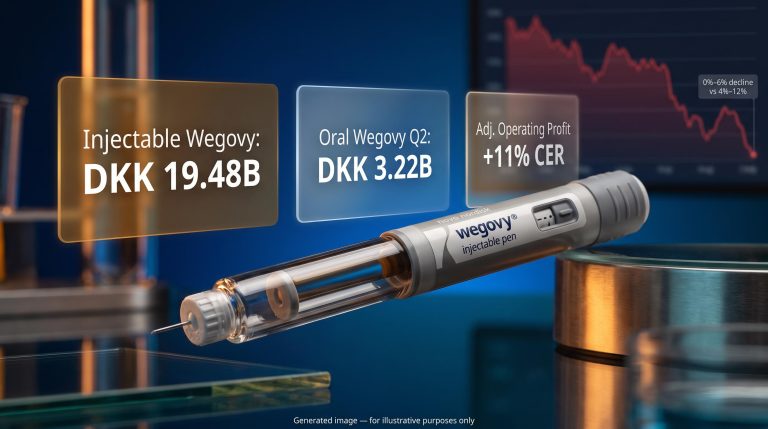














The pharmaceutical industry is one of the most dynamic in global markets, driven by research and development pipelines, patent cliffs, regulatory decisions and the constant race to bring new medicines to market. Investors monitor drug approval timelines, clinical trial phases, licensing deals and acquisition activity. Big Pharma companies provide dividend stability while smaller biotech pharma names offer high-risk, high-reward exposure to pipeline success. StockWire X covers pharma stocks across the full market cap spectrum, tracking the news and analysis that matters to pharmaceutical sector investors.
The best pharma stocks to buy depend on pipeline strength, patent position, earnings visibility, and valuation. Investors typically assess clinical trial catalysts, upcoming patent expirations, and balance sheet health. StockWire X covers pharma stocks analysis with pipeline updates and earnings commentary to help investors identify compelling opportunities.
Pharma stocks can fall on clinical trial failures, FDA rejection letters, patent cliff announcements, pricing pressure news, or broader market sell-offs. Tracking the specific catalyst for any given move is essential before drawing conclusions about a company's investment thesis. StockWire X covers pharma sector news in real time.
Big pharma stocks are shares in the largest global pharmaceutical companies, characterised by diversified drug portfolios, strong cash generation, and regular dividends. They provide defensive income exposure to the healthcare sector. The primary risk for big pharma investors is patent cliff timing as blockbuster drugs lose exclusivity and face generic competition.
A patent cliff occurs when key drug patents expire, allowing generic manufacturers to produce cheaper versions of the branded drug. This typically causes rapid revenue erosion for the originator company. Investors track patent expiry dates and assess whether the pipeline has sufficient new products to replace expiring revenue. Companies facing major patent expirations without adequate pipeline replacement face a significant negative catalyst.
Drug pricing regulation is a significant risk factor for pharmaceutical stocks, particularly in markets where governments negotiate or mandate drug prices. Policy changes that cap drug prices or require mandatory rebates can reduce future revenue expectations. Investors assess pricing risk by examining exposure to regulated markets, the proportion of revenue from government payers, and the clinical differentiation of key drugs.