One of Wall Street’s major Asian banks has called time on the Reserve Bank of India’s rate pause, flagging December 2026 as the point at which the central bank begins lifting borrowing costs for the first time in years.
The call from UOB analyst Jester Koh arrives as India’s headline inflation climbs back toward the upper edge of the RBI’s 2-6% tolerance band. Food prices are accelerating faster than the headline number, and the August MPC meeting minutes carried hawkish language suggesting the committee is watching conditions closely.
The gap between what official data shows and what Indian households say they are experiencing has widened sharply, creating a credibility problem the RBI cannot easily dismiss. Here is what the RBI rate hike forecast for 2026 actually rests on, the specific conditions that would need to hold for the central bank to act, and what could derail the call before year-end.
UOB sees two rate hikes starting in December, and here is what triggered the call
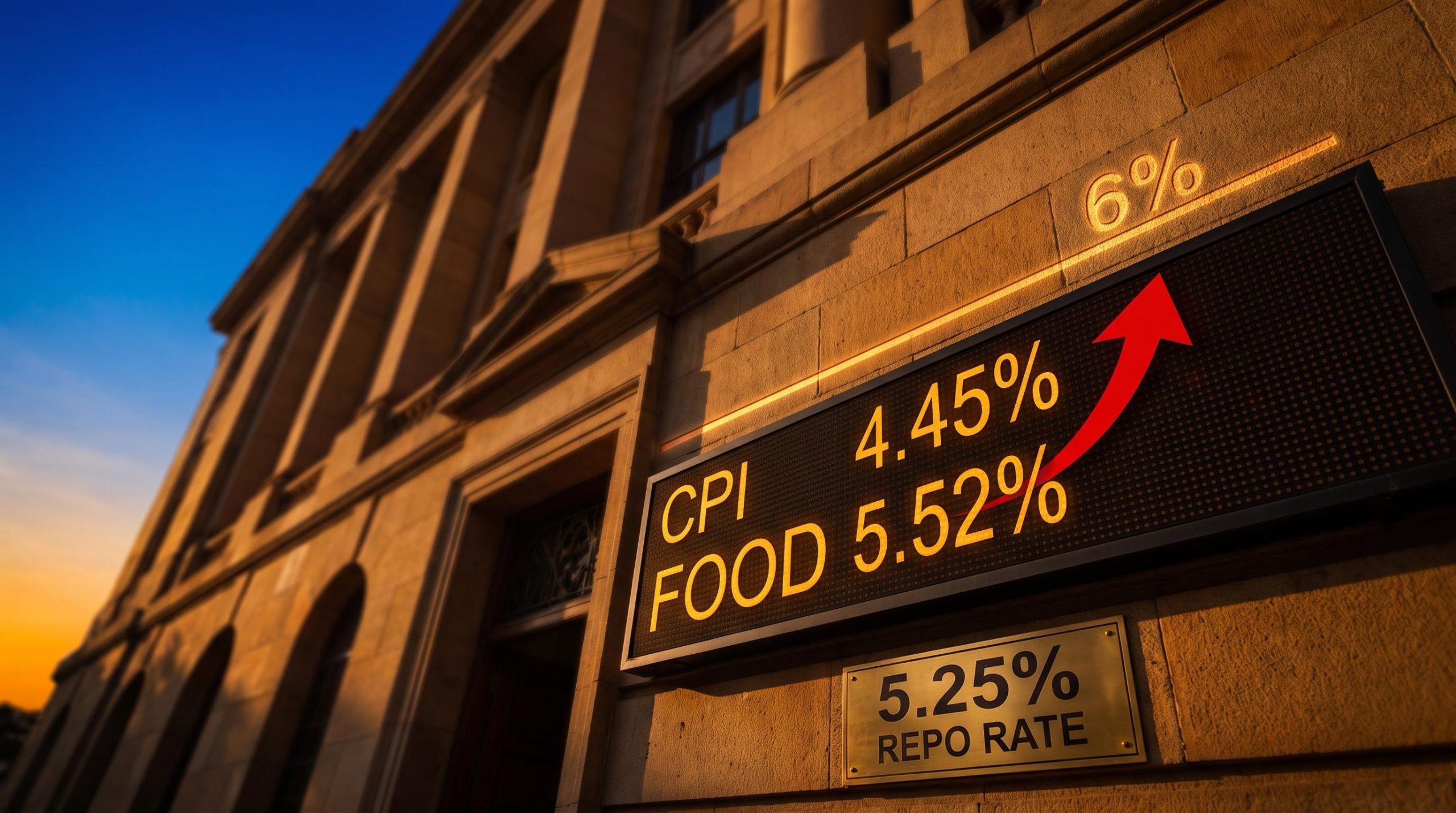
Koh expects the RBI to deliver two consecutive 25 basis point hikes, beginning at the December 2026 Monetary Policy Committee (MPC) meeting. That would lift the policy repo rate from 5.25% to 5.75%, the first tightening in a cycle that has been on hold for an extended stretch.
The logic sits on a single inflection point. UOB projects headline consumer price inflation (CPI) will breach the 6% upper bound of the tolerance band during the third quarter of fiscal year 2027 (October to December 2026), and stay above it into the early part of the first quarter of fiscal year 2028.
A breach of that kind pushes ex-post real interest rates negative, meaning borrowing costs sit below the inflation rate. That is the condition UOB argues the RBI would be compelled to correct.
Real interest rates turning negative, which UOB identifies as the mechanical trigger for RBI action, carry implications that extend well beyond a single central bank cycle: a four-decade historical review of government bond yields shows that the suppressed rate environment of the 2010s was the structural anomaly, and the current return toward positive real rates reflects a broader normalisation across major economies.
What makes this call worth reading closely is that it is a reversal. UOB earlier held a no-change stance for the RBI through 2026, projecting a prolonged hold at 5.25%. When a bank that predicted stability for the year turns hawkish mid-cycle, it signals that the data itself has shifted, not that one analyst has staked out a contrarian position.
The trigger for the change is the trajectory of food prices. In July 2026, headline CPI rose 4.45% year-on-year, while food inflation ran hotter at 5.52%. That wedge is what UOB projects will keep widening until the headline number pushes through the ceiling.
For now, the RBI is standing still. At its August meeting, the committee voted unanimously, 6-0, to hold rates across the board:
- Policy repo rate: 5.25%
- Standing deposit facility (SDF) rate: 5.00%
- Marginal standing facility (MSF) rate: 5.50%
- Bank Rate: 5.50%
The stance stayed neutral and data-dependent, but Governor Sanjay Malhotra set out the condition the committee is waiting on.
Governor Sanjay Malhotra noted a preference for greater clarity on the persistence and trajectory of inflation before recalibrating the policy rate.
For markets and borrowers, the December timeline is close enough to plan around now. The concrete thing to watch is whether CPI actually pushes through 6%. That single threshold is what turns the forecast from a projection into a policy trigger. The MPC’s next scheduled meeting runs from 5 to 7 October 2026.
Why food prices are the RBI’s real problem, and why rate hikes may not fix them
The uncomfortable part of this story is that the RBI’s main tool is poorly matched to the inflation it needs to address. Research indicates roughly 90% of food inflation in India is driven by non-cyclical, supply-side factors: weather, global supply conditions, and logistics. Interest rate hikes do not directly touch any of those.
Peer-reviewed analysis of climate-related drivers of food inflation in India corroborates the structural picture: the dominant share of food price pressure in the Indian economy originates from supply-side and weather-related factors that rate hikes cannot directly address.
Raising rates to fight a monsoon or a shipping bottleneck slows the wider economy without necessarily easing the price of tomatoes or pulses. On paper, that argues for patience.
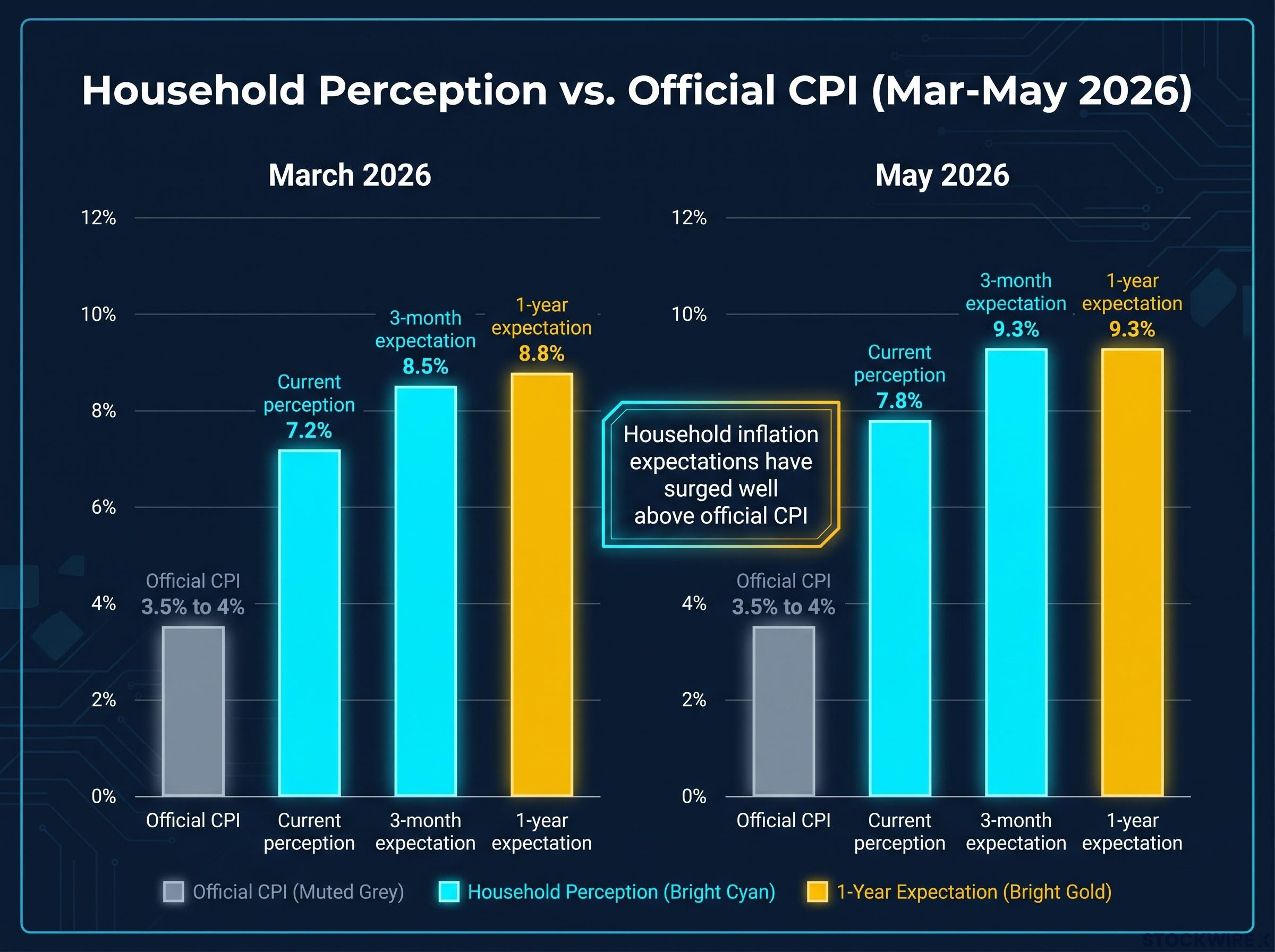
But standing still carries its own risk, and it may be the larger one. Household inflation expectations have surged well above official CPI, and that gap is where the real threat to credibility sits.
The RBI’s own Inflation Expectations Survey of Households (IESH), which tracks what ordinary people think prices are doing, shows the divergence widening fast between the March and May 2026 rounds.
| IESH round | Current perception | Three-month expectation | One-year expectation |
|---|---|---|---|
| March 2026 | 7.2% | 8.5% | 8.8% |
| May 2026 | 7.8% | 9.3% | 9.3% |
Set that against official retail CPI running roughly 3.5% to 4% across the same period. Households believe prices are rising at nearly double the rate the data reports.
The credibility problem that supply-side logic cannot solve
Here is why the supply-side origin of the shock does not let the RBI off the hook. People buy food constantly, so they update their sense of inflation from the checkout, not from a CPI release they never see.
That frequency gives food price shocks outsized influence over what households expect next. When the grocery bill climbs, the whole perception of inflation climbs with it, regardless of what the core number is doing.
The danger is that expectations, not actual prices, shape wage negotiations and non-food pricing decisions. If people expect 9% inflation, they ask for larger pay rises and set prices higher, which can turn a supply shock into broader, self-sustaining inflation without any demand-side trigger at all.
The RBI has been here before. Its experience between 2019 and 2024 shows that an initial decision to look through food shocks allowed expectations to become entrenched, forcing stronger corrective action later. That episode is in the committee’s institutional memory.
When household expectations run near double the official print, the RBI’s problem stops being about prices and becomes about whether people believe it is in control. That credibility risk is precisely what makes hiking on supply-driven inflation a live policy option rather than a mistake.
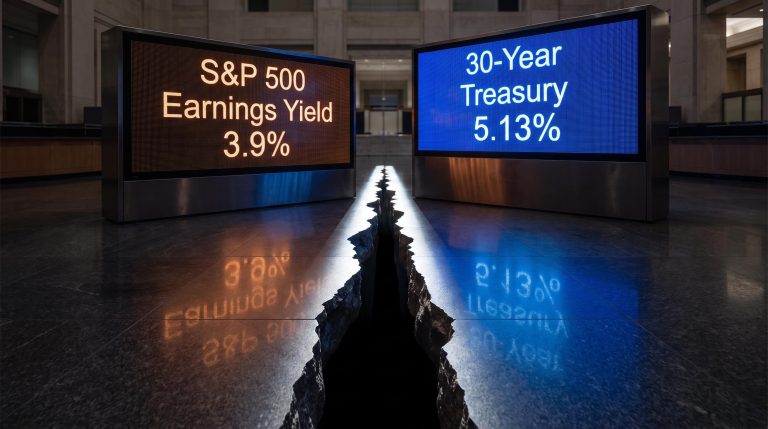
Central bank credibility, once eroded, tends to reprice across asset markets before policymakers act: the Fed’s experience under Warsh in July 2026 showed long-term Treasury yields rising while short-term rates fell, a yield curve split that reflected investors openly questioning the institution’s long-run inflation resolve.
The market is split, and the risks run in both directions
Forecasters do not agree on where this goes, and the disagreement is structured rather than confused. The fault line runs between those who trust supply-side interventions to cool food prices in time and those who do not.
The hold camp expects the RBI to stay put:
- Union Bank of India and Citi anticipate a prolonged pause, pointing to muted core inflation and the case for a wait-and-watch approach.
- DBS expects an extended hold, arguing that subdued core pressures keep broader inflation contained.
The hike camp sees tightening arriving late in the year:
- UOB projects two 25 bps hikes from December 2026.
- BofA Securities anticipates a cumulative 50 bps from December 2026.
- MUFG projects a 50 bps hiking cycle starting the same month, driven by persistent food price risks.
The pace of the shift is itself the story. In March, the consensus barely acknowledged a hike at all.
The rupee implications of a tightening cycle run counter to conventional instinct: Commerzbank and DBS Group Research both argue that a credible RBI rate response to rising inflation would deliver structural support for the Indian rupee, making worsening price data counterintuitively positive for INR if the policy trigger fires.
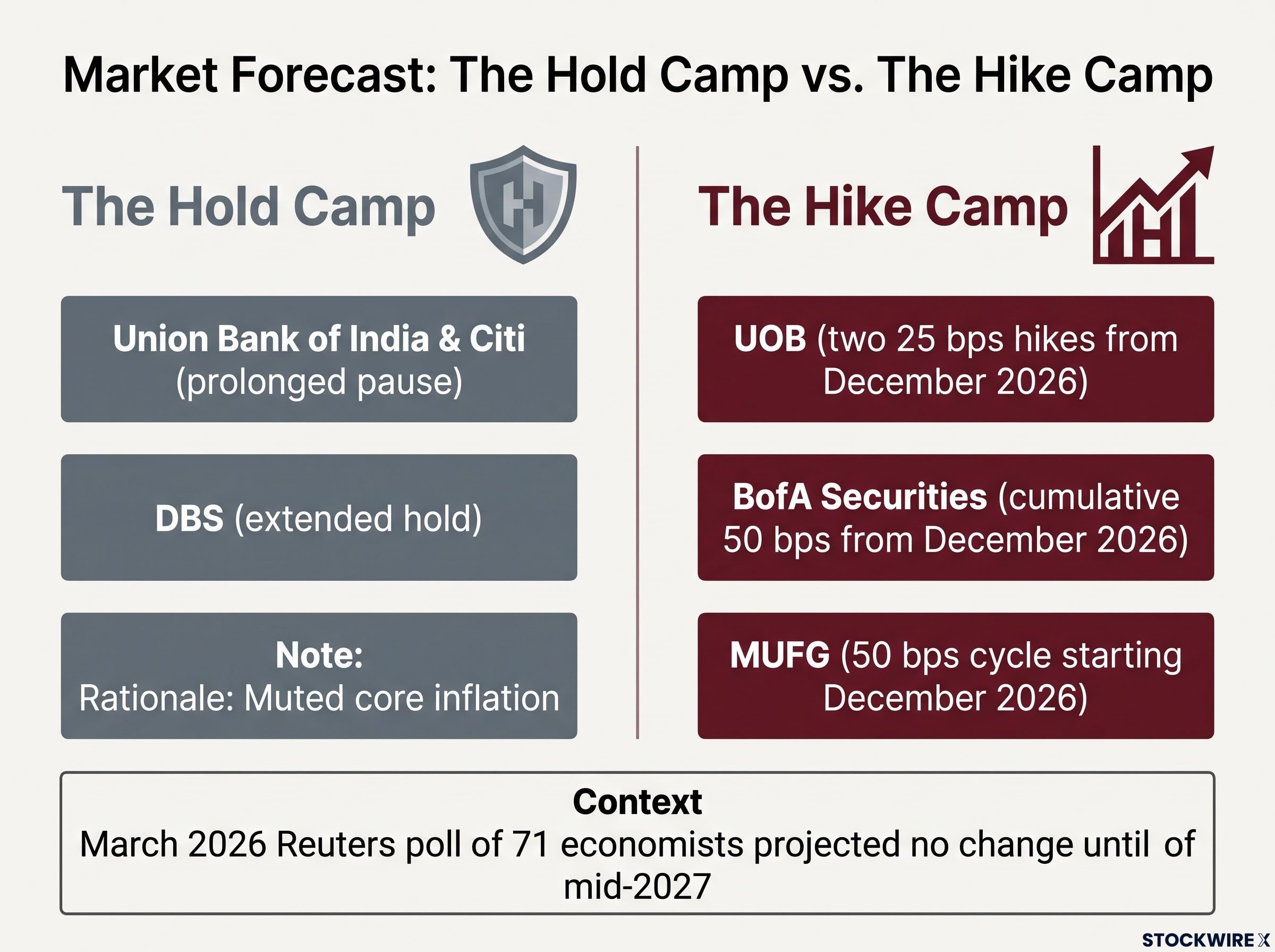
A March 2026 Reuters poll of 71 economists projected no change until at least mid-2027. By the May 2026 round, a significant cohort had moved to project at least one 25 bps hike by late 2026.
The strongest argument for the hold camp is growth. The RBI trimmed its FY27 growth forecast to 6.6% from 6.9% amid global headwinds, and tightening into a softening economy raises the risk of overshooting.
There is also a timing trap. If government supply-side measures, such as buffer stock releases or import tariff adjustments, resolve food pressures faster than a rate hike can transmit through the economy, the RBI could tighten just as inflation is already falling, deepening the growth slowdown for no benefit.
For readers watching the October meeting, the signal that resolves this split is not really the CPI print. It is any language about government food management. That is the variable each camp is actually betting on.
What to watch before December makes this forecast real or obsolete
This forecast is not a fixed event to wait for. It is a process with observable triggers, and the October meeting matters more than the December one you are being told to watch.
If the RBI signals any shift toward a tightening bias on 5 to 7 October 2026, a December hike becomes near-certain. If it holds a strict neutral framing, UOB’s call faces a credibility test before the year is out.
Three specific indicators tell you which way this resolves:
- October MPC language on stance. Any move away from strictly neutral, data-dependent wording, particularly on food persistence, is the clearest leading signal of a December move.
- September and October CPI prints against the 6% threshold. A print that continues the upward trajectory, with food inflation remaining elevated, keeps the breach scenario on track. The current path starts from 4.45% headline and 5.52% food in July.
- Government food supply interventions. Buffer releases or import tariff changes on key commodities are the most likely mechanism to invalidate the forecast without the RBI touching rates at all.
Watch those three, and the December meeting stops being a surprise and becomes a confirmation of what the earlier data already told you.
For investors positioning around a potential RBI hiking cycle, our deep-dive into how real yields reprice equity markets examines the mechanical pressure rising real rates place on discount rates, equity risk premiums, and institutional portfolio positioning across asset classes.
This article is for informational purposes only and should not be considered financial advice. Investors should conduct their own research and consult with financial professionals before making investment decisions.
Past performance does not guarantee future results. Financial projections are subject to market conditions and various risk factors, and these statements are speculative and subject to change based on economic developments.