The European Central Bank just raised rates for the second time this year, into a slowing economy, and the euro fell anyway. That inversion, a rate hike delivered and the currency weakening, is the cleanest signal that something more complicated than a conventional tightening cycle is underway.
Two simultaneous geopolitical conflicts, the US-Iran standoff and the Russia-Ukraine war, have pushed European energy prices to levels not seen since late 2022. That has forced the ECB into a position central banks dislike: tightening policy against inflation it cannot directly fix, while growth risks point the other way.
The Hormuz disruption transmission chain from physical tanker crossings to crude futures to eurozone inflation and then to ECB rate pricing is the mechanism connecting geopolitics to monetary policy, and it has been operating continuously since the ceasefire between the US and Iran collapsed in mid-2026, erasing the brief relief rally that had pushed Brent into the low-to-mid $70s.
The September decision, the mechanics behind it, and the debate among major institutions about what happens next all matter for anyone tracking European monetary policy, euro-denominated assets, or energy-linked inflation dynamics globally.
This piece maps out the actual logic the ECB is using, where that logic is contested, and what the next two meetings mean for markets, so you can form a view on whether the current rate path is credible or likely to crack under economic pressure.
Why the ECB raised rates into a growth slowdown
The starting point is not overheating demand. It is a war-driven energy spike that is dragging headline inflation back above target.
Eurostat’s flash estimate put eurozone headline inflation at 3.3% year-on-year in August 2026, up from 2.9% in July. Core inflation, which strips out energy, food, alcohol and tobacco, actually eased slightly to 2.4% from 2.5%.
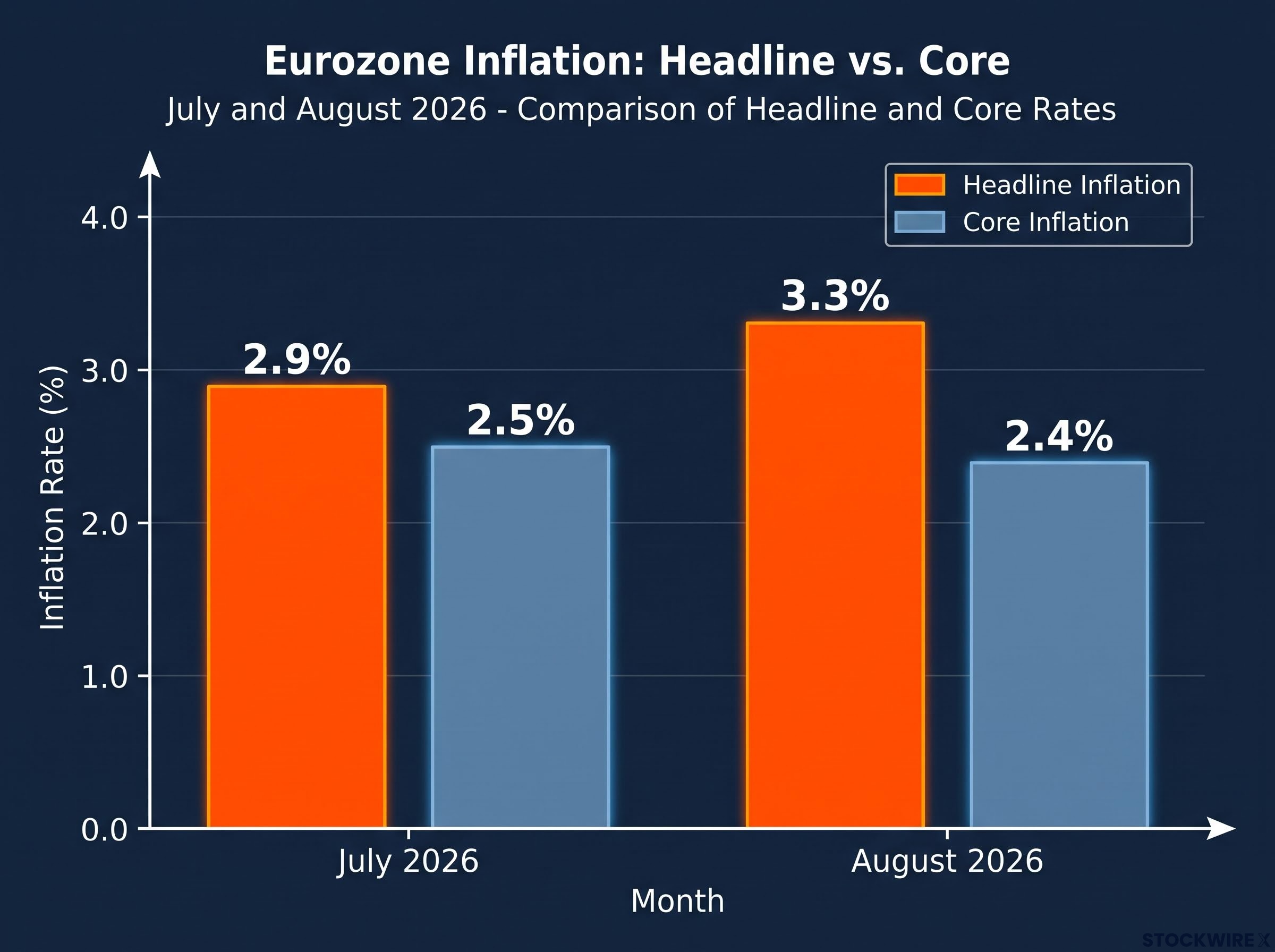
That gap is the whole story. A 3.3% headline sitting on top of a 2.4% core tells you energy is doing almost all of the inflationary work, which is precisely why the ECB’s rate lever is a blunt and contested tool for this particular problem.
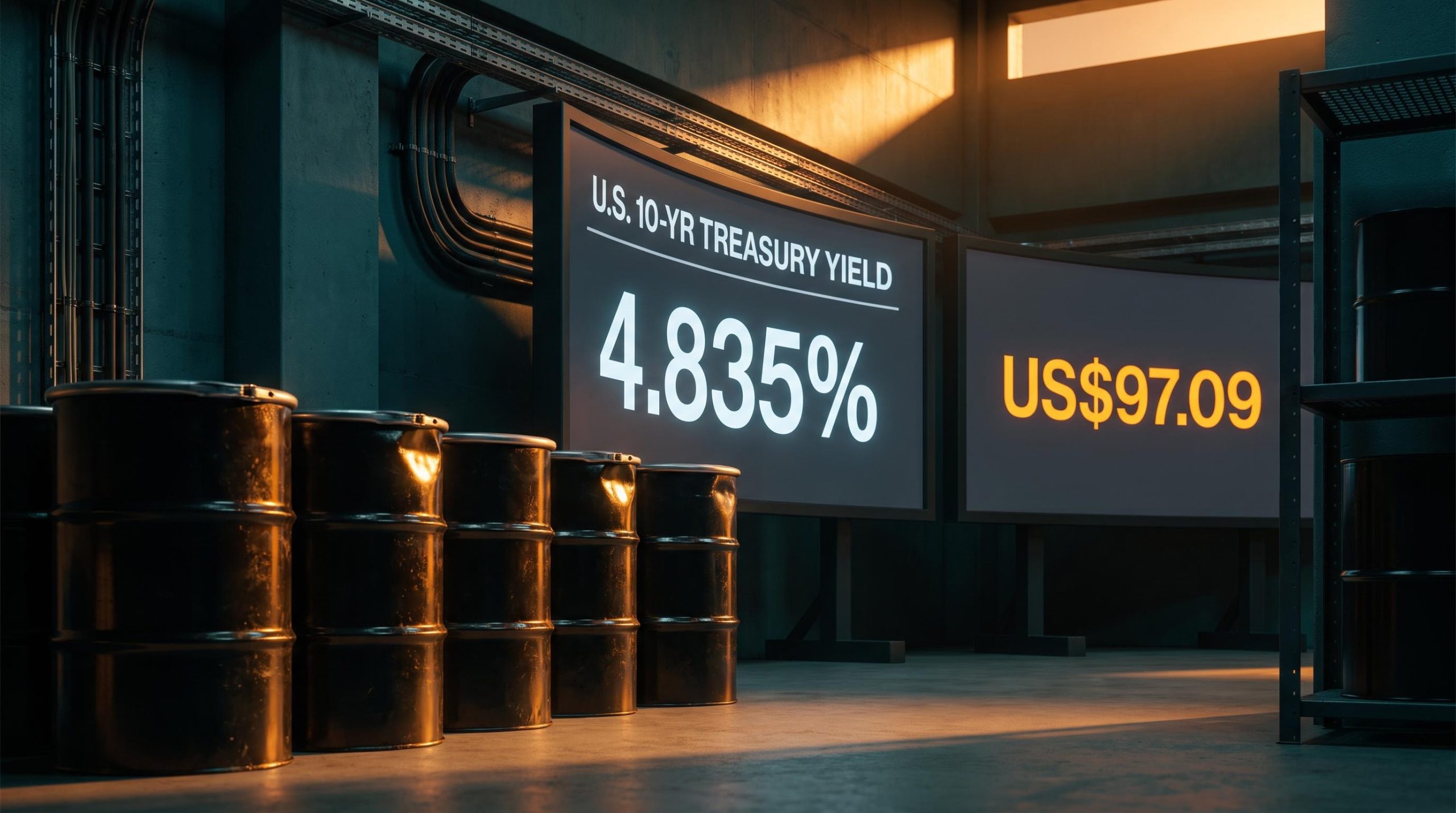
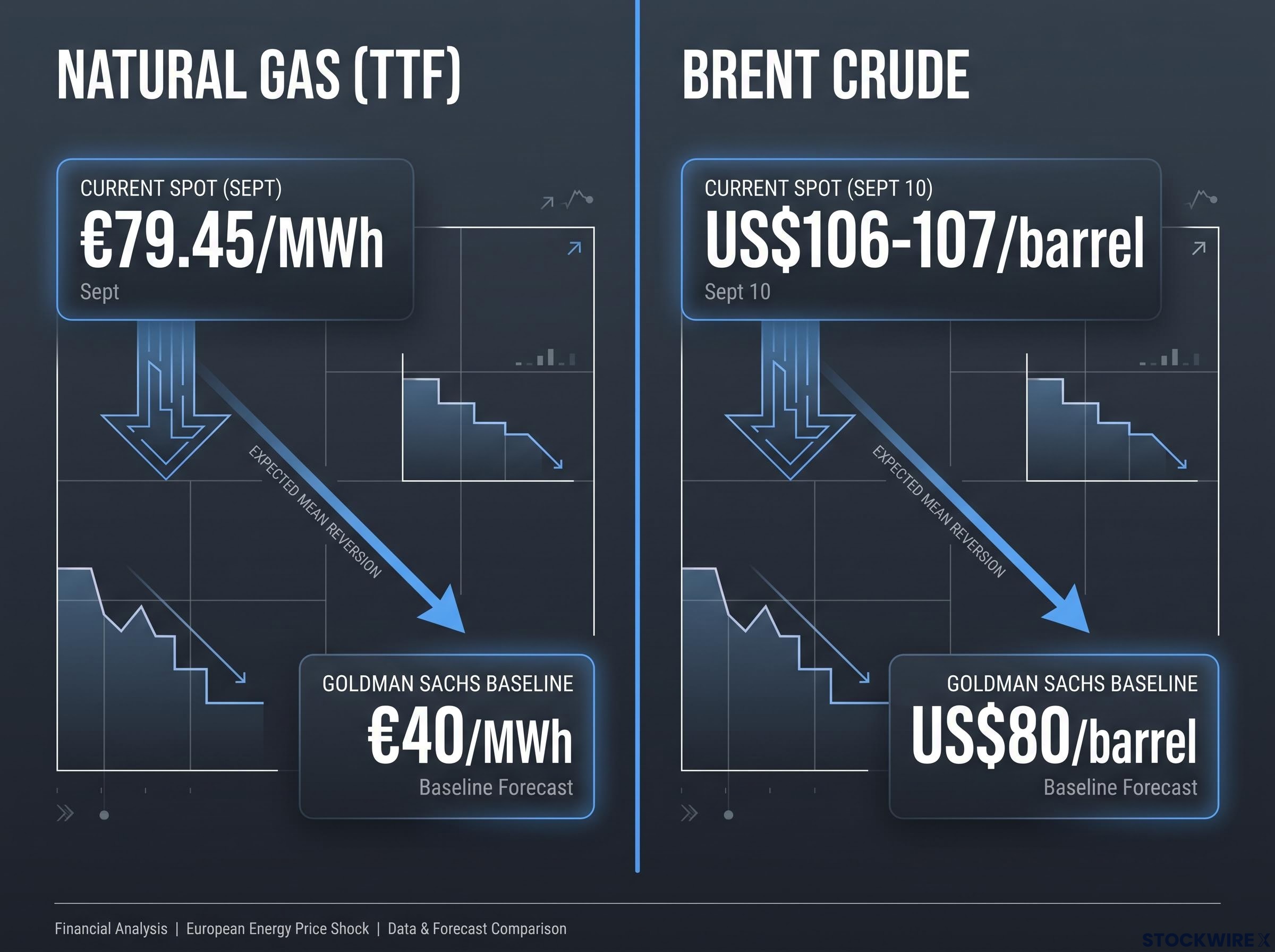
The energy numbers explain the pressure. European natural gas at the TTF benchmark traded near €79.45/MWh on 9-10 September, up roughly 28.5% over the prior month and the highest since late 2022, according to EnergyRiskIQ data. Brent crude sat near US$106-107 per barrel on 10 September.
The insurance logic behind the hike
The ECB’s response was another quarter-point move. All three key rates rose by 25 basis points, effective 16 September 2026:
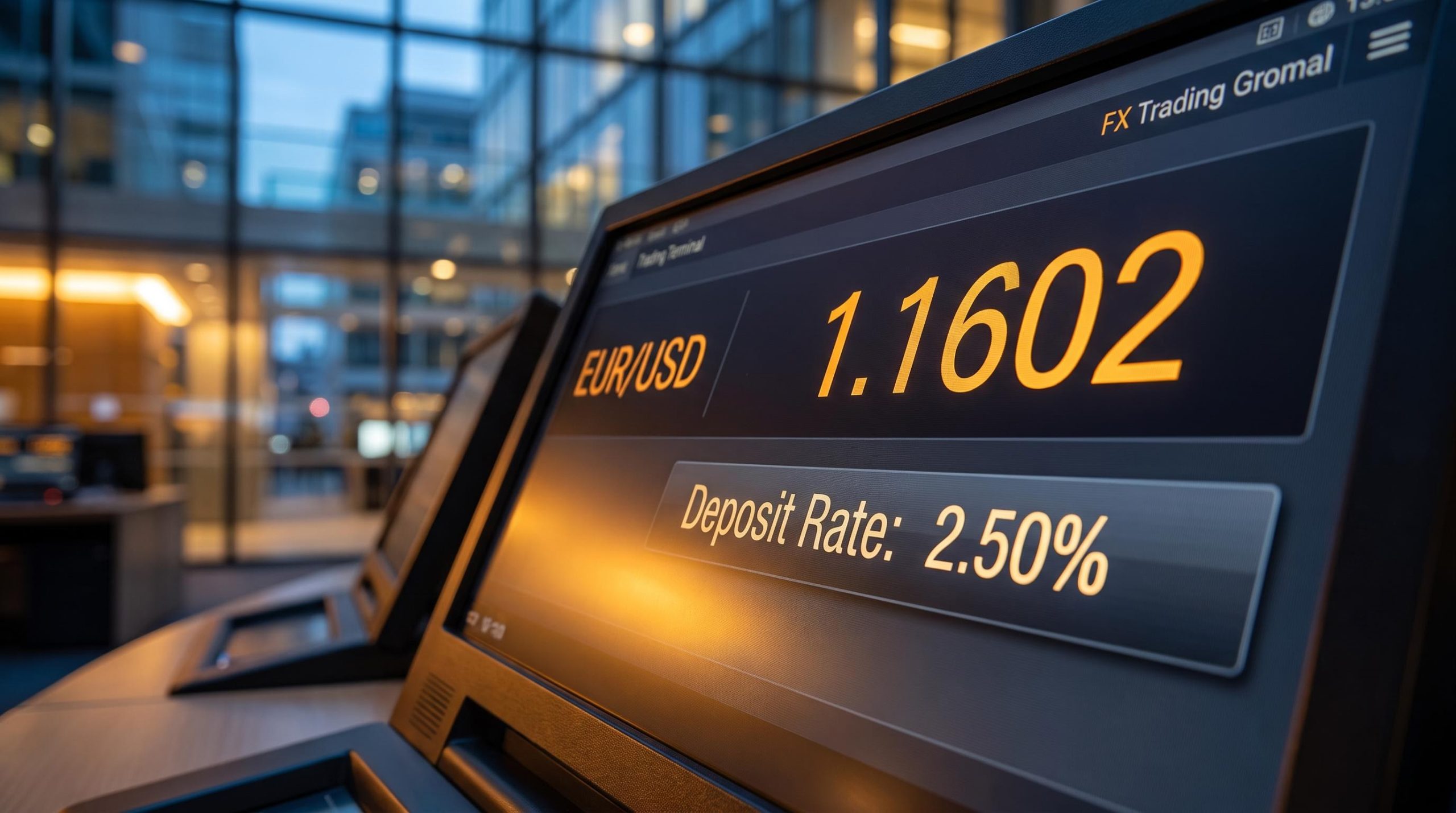
- Deposit facility: 2.50%
- Main refinancing operations: 2.65%
- Marginal lending facility: 2.90%
The mechanism the ECB is leaning on is expectations management, not demand suppression. A rate hike cannot lower the price of gas disrupted by conflict. What it can do is signal that the central bank will not accommodate an energy spike, reducing the risk that firms and households start baking higher inflation into wages and prices.
ING frames this bluntly.
“The current situation is a textbook supply-side shock,” ING economists wrote, describing the September move as an insurance hike aimed at protecting the ECB’s inflation-fighting credibility.
Goldman Sachs takes a similar view of the intent, noting there are no clear signs yet of second-round effects, where firms pass on costs and workers demand compensating pay rises, but warning that the ECB is acting partly to stop those dynamics taking hold. The logic is pre-emptive: move modestly now to avoid a costlier fight later.
When big ASX news breaks, our subscribers know first
The institutions disagree, and the gap matters
Here is where the clean logic fractures. Credible institutions look at the same data and reach genuinely opposite conclusions about whether the ECB should keep going.
The cautious camp is led by ING. Its Carsten Brzeski argues the data do not support moving policy “from the insurance end of the spectrum to the restrictive.” In ING’s reading, market pricing for a terminal rate near 3% looks stretched and risks tipping an already fragile European economy toward recession as financial conditions tighten.
“Several additional European hikes look increasingly difficult to justify,” ING noted, arguing that Europe’s inflation shock is milder than markets are pricing and that softer activity indicators point the other way.
Goldman Sachs sits closer to the hawkish end. Its analysis expects headline inflation to peak around 3.2% and core near 2.5%, a persistence it sees as justifying a deposit rate at roughly 2.50% even as growth slows. The stagflation risk, in Goldman’s framing, is a reason to keep expectations anchored rather than a reason to stand back.
Then there is the consensus. Reuters polls across August and early September 2026 found most economists expect the September hike to be the last in this cycle, describing it as the second and final move in what would be the ECB’s shortest tightening campaign in 15 years.
| Institution | Rate view | Risk flagged | Market implication |
|---|---|---|---|
| ING | Stop near 2.50%; hikes toward 3% hard to justify | Overtightening tips fragile economy into recession | Market pricing for further hikes likely to disappoint |
| Goldman Sachs | 2.50% deposit rate justified by persistent shock | Under-acting lets second-round effects embed | Higher-for-longer bias, stagflation risk to equities |
| Reuters consensus | September likely the final hike | Further hikes offer limited inflation relief | Shortest ECB tightening cycle in 15 years |
Some go further still. A Morningstar note summarising DWS and ING views reports that certain economists expect the deposit rate to stay on hold, arguing any next move should be a cut given sub-2% inflation forecasts and slowing wage growth.
The fact that serious institutions hold opposite views tells you the ECB’s next move is not mechanical. It is a judgment call under uncertainty, and that uncertainty is itself a market variable. Whether the ECB stops at 2.50% or pushes toward 3% shapes the refinancing environment for European corporates, the euro-area yield curve, and the appeal of European equities in a stagflation scenario.
What central banks actually can and cannot do in a supply shock
Step back from the forecasts, and a structural constraint sits underneath the whole debate. It is worth understanding on its own terms.
A supply-side shock is inflation driven by a disruption to supply, in this case energy, rather than by excess demand. That distinction matters enormously for policy, because rate hikes work by cooling demand. They cannot conjure more gas or bring a conflict-driven price spike back down.
So the ECB’s tool is aimed entirely at expectations, not at the source of the problem. The bet is that a modest, visible move keeps inflation expectations anchored long enough for energy prices to correct on their own.
War-driven cost pass-through into core components is the second-round mechanism the ECB is most anxious about: energy costs routed through airfares, logistics, and imported goods can contaminate what looks like demand-driven price pressure, producing a core reading that understates how much of the inflation problem is still geopolitical in origin.
That is where the ECB is genuinely stuck between two risks pulling in opposite directions:
- Under-acting. If the ECB waits too long, energy inflation can seep into wages and broader prices, creating a self-reinforcing spiral that is far harder to unwind later.
- Over-acting. If the ECB tightens too aggressively against a shock it cannot fix, it risks choking a fragile economy into recession for no inflation benefit.
History informs the balance. Commentators at ING and Morningstar point back to earlier episodes where the ECB was slow to respond to energy-driven inflation, an experience they say is nudging the current Governing Council toward pre-emptive but modest action.
The forward view is what makes this constraint tolerable. Goldman Sachs’ baseline assumes Brent settling around US$80 per barrel and TTF gas near €40/MWh over the longer term, well below current spot levels. ING’s “Europe’s inflation shock is still missing” note argues the current shock is milder than previous crises even as markets price a major surge.
“Risks to inflation are skewed to the upside while risks to growth lean to the downside,” ECB President Christine Lagarde acknowledged at her press conference on 10 September 2026.
If Goldman’s long-run energy baseline is right and prices mean-revert toward those levels, the ECB’s tightening cycle may prove necessary but brief. For anyone holding European rate-sensitive assets, that is the scenario that matters most, because it separates genuine rate risk from noise driven by energy volatility that monetary policy simply cannot resolve.
How currency markets read the decision, and what that signals
Now the paradox from the opening resolves. The ECB raised rates, and the euro weakened against the US Dollar, which runs directly counter to the intuition that higher rates pull in capital and lift a currency.
The moves were small but consistent. FXStreet data show the euro slipping about 0.10% against the dollar on 10 September, while DailyForex put the decline nearer 0.26%, with EUR/USD trading around 1.1602 after the decision.
“The euro hasn’t been able to translate the rate hike announcement into gains,” DailyForex observed.
Against most other majors, the euro actually firmed. The dollar was the exception, and that exception is the entire signal.
| Currency pair | Direction | Approx. move |
|---|---|---|
| EUR/AUD | Euro gained | +0.61% |
| EUR/NZD | Euro gained | +0.46% |
| EUR/JPY | Euro gained | +0.38% |
| EUR/CHF | Euro gained | +0.15% |
| EUR/USD | Euro fell | -0.10% |
The resolution comes down to three things. The hike was fully priced in, so it delivered no surprise. The ECB’s cautious, data-dependent tone read as dovish relative to hawkish market expectations. And global risk-off flows plus higher US yields are handing the dollar safe-haven support that swamps a single quarter-point advantage.
Rate differential pricing in EUR/USD explains the paradox cleanly: markets price future expected rate paths, not current official rates, which means a fully anticipated 25 basis point hike delivers no incremental signal and the currency instead responds to whatever the decision implies about the future pace of tightening relative to the Federal Reserve.
ING flagged this before the meeting, forecasting EUR/USD downside toward 1.150 and describing the expected ECB tone as dovish relative to hawkish market pricing. Its point was that expectations for future tightening drive the currency far more than any single move.
Markets had priced at least two more ECB hikes by early September, the first by October and a second by March 2027, per Reuters coverage. The euro’s weakness on a hike day tells you what the FX market actually cares about: not the hike itself, but whether the ECB will keep going. Right now, it is not convinced. For anyone holding euro exposure, that read is more useful than the rate move itself, because it points to where the market’s focus really sits heading into October.
What the October meeting means, and what to watch before it
The next decision lands on 29 October 2026, and it is genuinely live. Reuters reported that day, citing two ECB sources, that a further move “might come at the ECB’s next meeting on Oct. 29,” dependent entirely on incoming data and developments in Iran.
The ECB’s September monetary policy decisions confirmed all three key rate rises of 25 basis points, with the official press release reiterating the Governing Council’s data-dependent framing and declining to pre-commit to any path beyond the immediate move.
No commitment exists. Lagarde declined to signal the direction of the next move and repeated the “meeting-by-meeting” framing. Governing Council member Dimitar Radev, on 27 August 2026, described both the October and December meetings as live for further tightening.
That leaves the outcome resting on three observable variables:
- Energy price trajectory. Where TTF gas and Brent crude sit into late October will do more than any speech to shape the decision.
- The September inflation print. The next HICP reading, due before the meeting, tells the ECB whether the shock is spreading or fading.
- Governing Council rhetoric. Any shift in tone at scheduled speaking events would signal whether the internal balance is tilting toward another hike or a pause.
Here is the tension worth holding. The market has priced at least one more hike by October, while the ECB insists it has committed to nothing. A divergence between those two positions is where the volatility lives.
If energy prices show any meaningful retreat before 29 October, the case for another hike weakens quickly, and the euro could rally sharply as markets unwind aggressive tightening bets. That asymmetry is the single most actionable takeaway if you are positioned in European rates or FX. October is not a foregone conclusion in either direction, and knowing which data prints move the ECB’s calculus puts you ahead of anyone waiting passively for the decision.
Conviction without commitment: the ECB’s bet and its limits
Strip away the noise, and the ECB’s position is coherent. It has delivered two hikes this year, the second following June’s move and lifting the deposit rate to 2.50%, to defend its inflation-fighting credibility against a shock it cannot directly address. At the same time, it has refused the kind of forward commitment that would lock it into a path the data might not support.
The genuinely open question is whether September was the last necessary hike or the second step in a slightly longer cycle. Energy markets and geopolitics will answer that as much as ECB judgment will.
The direction of travel is more legible than the debate suggests. The ECB is most likely to hike again in October if:
- TTF gas and Brent hold at or above current elevated levels into late October
- The September HICP print shows energy pressure spreading into core inflation
- Governing Council speakers harden their tone at scheduled events
And most likely to hold if energy prices retreat toward Goldman Sachs’ long-run baseline of roughly US$80 Brent and €40/MWh gas, at which point ING’s warning that hikes toward 3% are hard to justify carries the day.
The variables to watch are external, not internal to the ECB. That makes the outlook more trackable than the institutional disagreement implies.
For readers wanting to situate the current energy shock within a longer structural context, our deep-dive into persistent inflation regimes examines 150 years of inflation cycle data and the 13 simultaneous structural reversals that make a quick return to 2% historically unlikely across major economies.
This article is for informational purposes only and should not be considered financial advice. Investors should conduct their own research and consult with financial professionals before making investment decisions. Past performance does not guarantee future results. Financial projections are subject to market conditions and various risk factors. These statements are speculative and subject to change based on market developments and central bank decisions.