
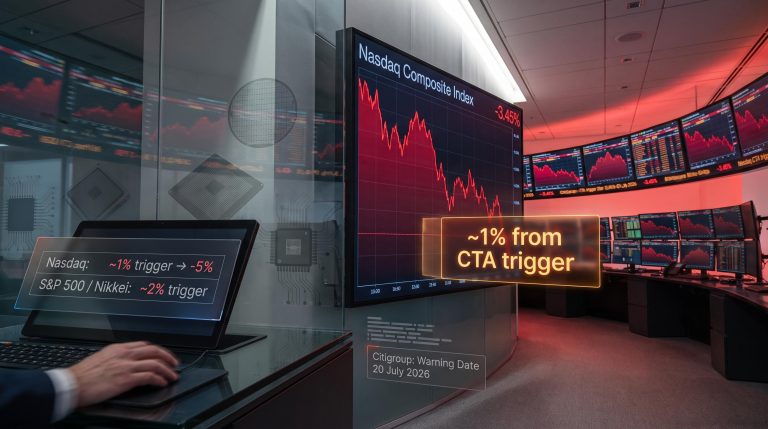
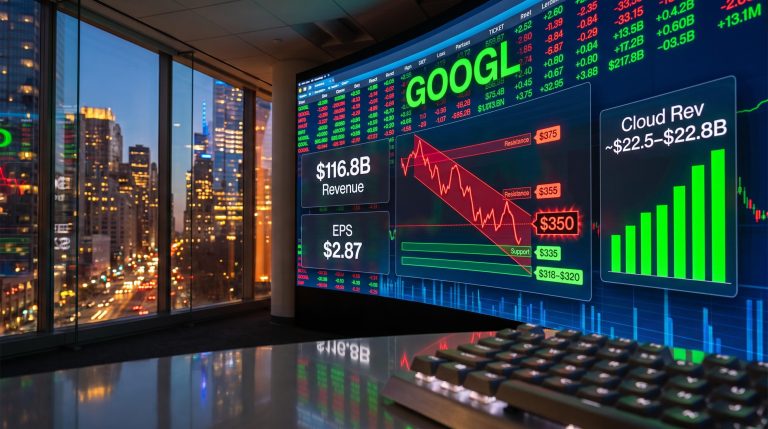
Nvidia Falls 5% as China’s CXMT Closes the AI Memory Gap
9 hrs ago

Behavioral finance studies the psychological biases and emotional patterns that drive investor decision-making and market price movements, providing a framework for understanding why markets are frequently irrational and how disciplined investors can exploit those inefficiencies. StockWire X covers behavioral finance concepts, investor sentiment analysis, and the market psychology dynamics that create investment opportunities across ASX and global markets. Understanding how crowds think is as important as understanding how companies operate.
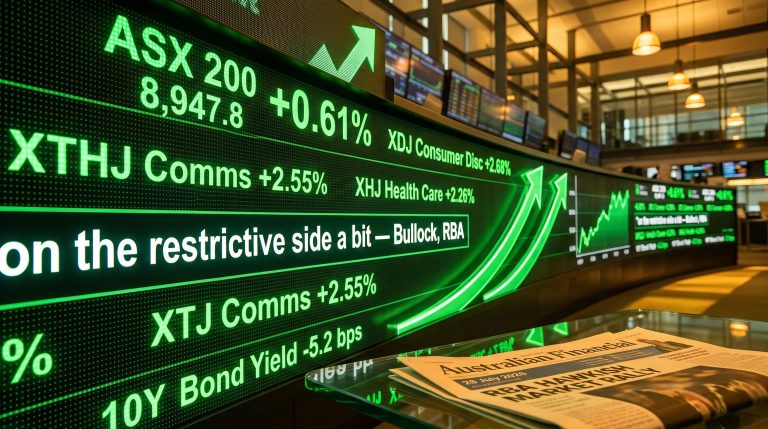


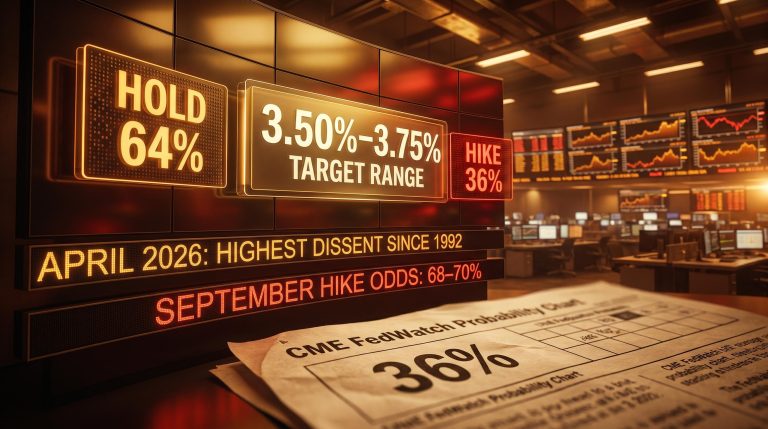







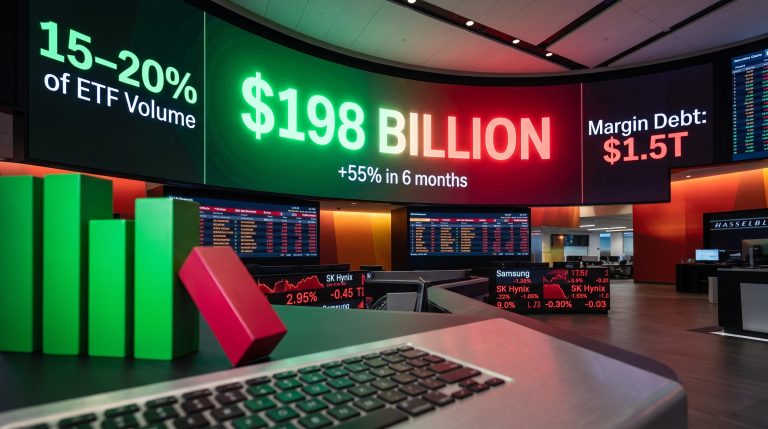
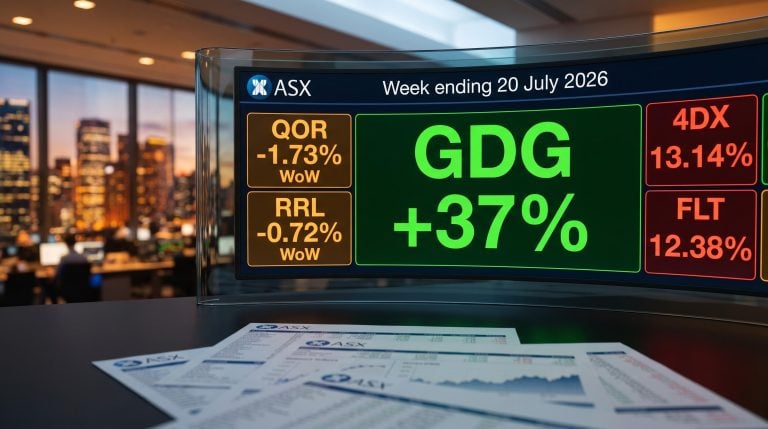



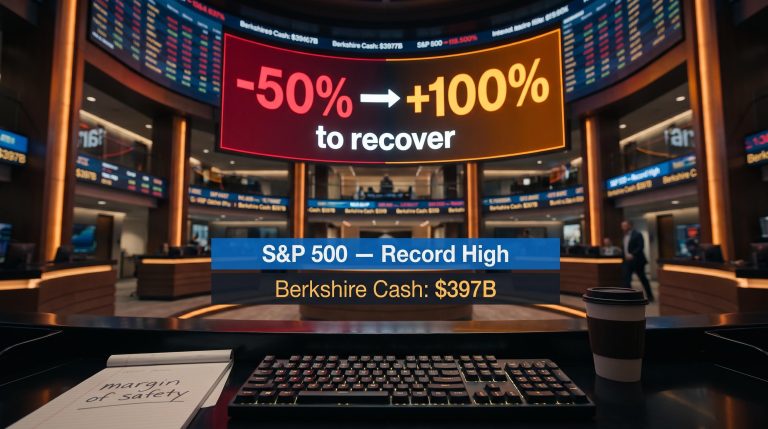

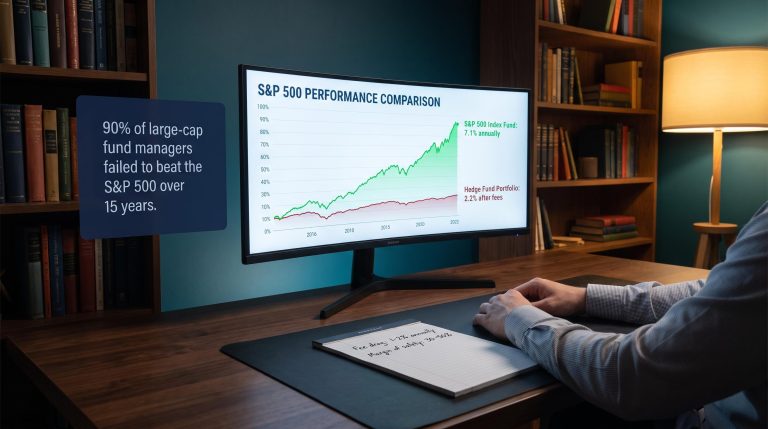

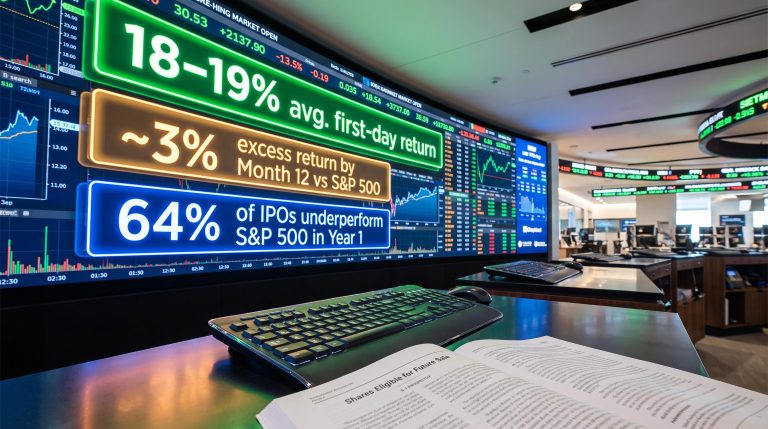



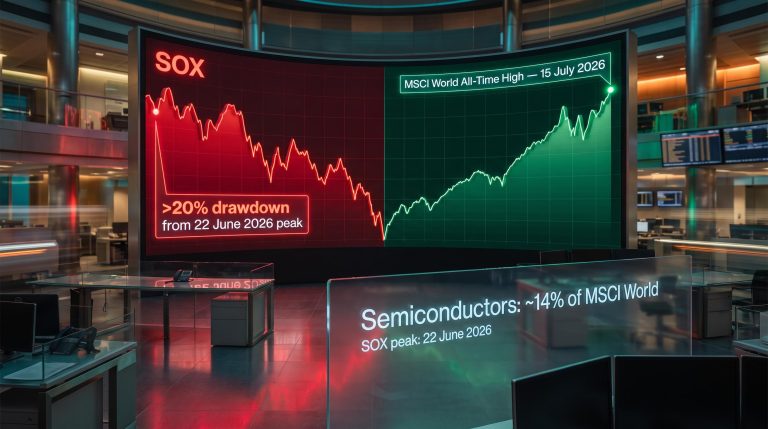

Behavioral finance emerged as a discipline to explain the systematic deviations from rational decision-making that classical economic theory predicted but markets consistently displayed, from momentum and mean-reversion anomalies to the predictable patterns of fear and greed in market cycles. Key behavioral biases including overconfidence, loss aversion, herding, anchoring, and recency bias have been well-documented in both retail and institutional investor populations. Recognising these biases in oneself and in market prices creates genuine investment edges, buying quality assets when sentiment is irrationally depressed and trimming exposure when euphoria drives prices to unsustainable levels. The fear and greed index, volatility measures like VIX, fund flow data, and short interest metrics are commonly used proxies for aggregate market sentiment. StockWire X covers behavioral finance research, investor sentiment data, and the market psychology dynamics that influence price action across different market environments.
The key behavioral finance biases affecting investors include loss aversion (feeling losses more acutely than equivalent gains), confirmation bias (seeking information that confirms existing views), recency bias (overweighting recent events in forecasting), overconfidence (overestimating one's own skill and underestimating uncertainty), and herding (following crowd behaviour rather than independent analysis). Each creates systematic market mispricings that disciplined investors can exploit.
Foundational behavioral finance books include Thinking, Fast and Slow by Daniel Kahneman, which covers cognitive biases comprehensively, Misbehaving by Richard Thaler on the practical implications of behavioral economics, and The Psychology of Money by Morgan Housel on how emotions influence financial decision-making. These books provide the conceptual framework for understanding and managing investor psychology biases.
Common behavioural biases include loss aversion (feeling losses more acutely than equivalent gains), overconfidence (overestimating prediction ability), anchoring (over-reliance on initial reference prices), herding (following the crowd rather than independent analysis), and recency bias (over-weighting recent events in future expectations). These biases systematically cause investors to deviate from rational decision-making, often leading to buying high during enthusiasm and selling low during fear.
Behavioral finance explains stock market bubbles through the interplay of overconfidence, herding, recency bias, and the fear of missing out. As prices rise, past returns are extrapolated into the future, new investors enter the market driven by social proof, and risk perception falls as prices become detached from fundamentals. The eventual correction reflects the reversion of sentiment and the forced reassessment of fundamental value.