Headline PCE is still running near 3.6%. The Federal Reserve just delivered its first rate hike since 2023. And the loudest concern coming out of the Cleveland Fed is not the inflation number at all. It is what happens inside people’s heads if this number sticks around.
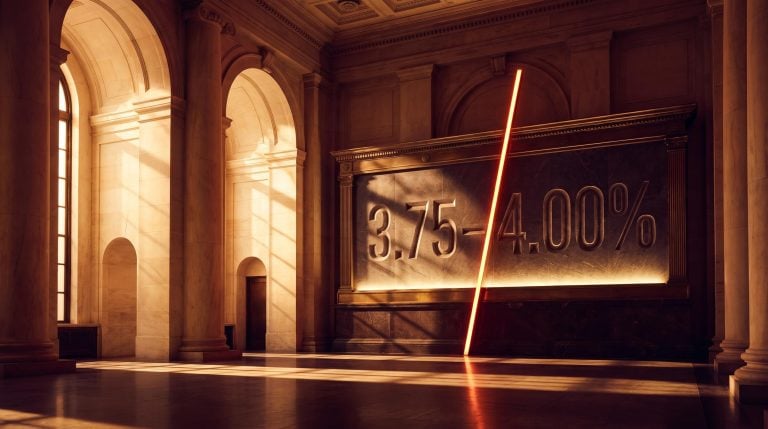
That is the framing worth paying attention to. The Fed has a 2% target. Inflation is comfortably above it. And Cleveland Fed President Beth Hammack has flagged a risk that carries more weight than any routine call for restrictive policy: that the American public quietly stops believing the target means anything. In her 2 June 2026 speech, she pointed to headline PCE at 3.8% and core PCE at 3.3%, describing the picture as “not encouraging.” Three months later, the September FOMC raised the funds rate to 3.75%-4.00% with that same worry in mind.
Here is what the data, the Fed’s own projections, and Hammack’s framing tell you about where monetary policy is heading, and what a prolonged high-rate environment means for your borrowing costs, your portfolio, and the rate path over the next two years.
The inflation mindset problem Hammack is actually warning about
Hammack’s real concern is not September’s PCE print. It is the cumulative effect of years of above-target readings on how households and businesses behave. When people live with 3-4% inflation long enough, they stop treating it as temporary and start planning around it. That is the moment the problem changes shape.
Economists call this adaptive expectations. People form their view of future inflation from what they have actually experienced: rising rents, higher prices at the pump, grocery bills that keep climbing. Once that experience hardens into an assumption, it starts driving behaviour.
Goldman Sachs research published in August 2026 reached a more sanguine conclusion on inflation expectations anchoring, arguing that US household expectations remain only modestly elevated and are not at immediate risk of the drift that Hammack’s framing treats as the central danger.
The behavioural chain runs roughly like this:
- Households and firms live through several years of prices rising faster than the target.
- They revise their expectations upward, building higher inflation into wage demands and pricing decisions.
- Those revised expectations get embedded, so future inflation reproduces itself even after the original shock fades.
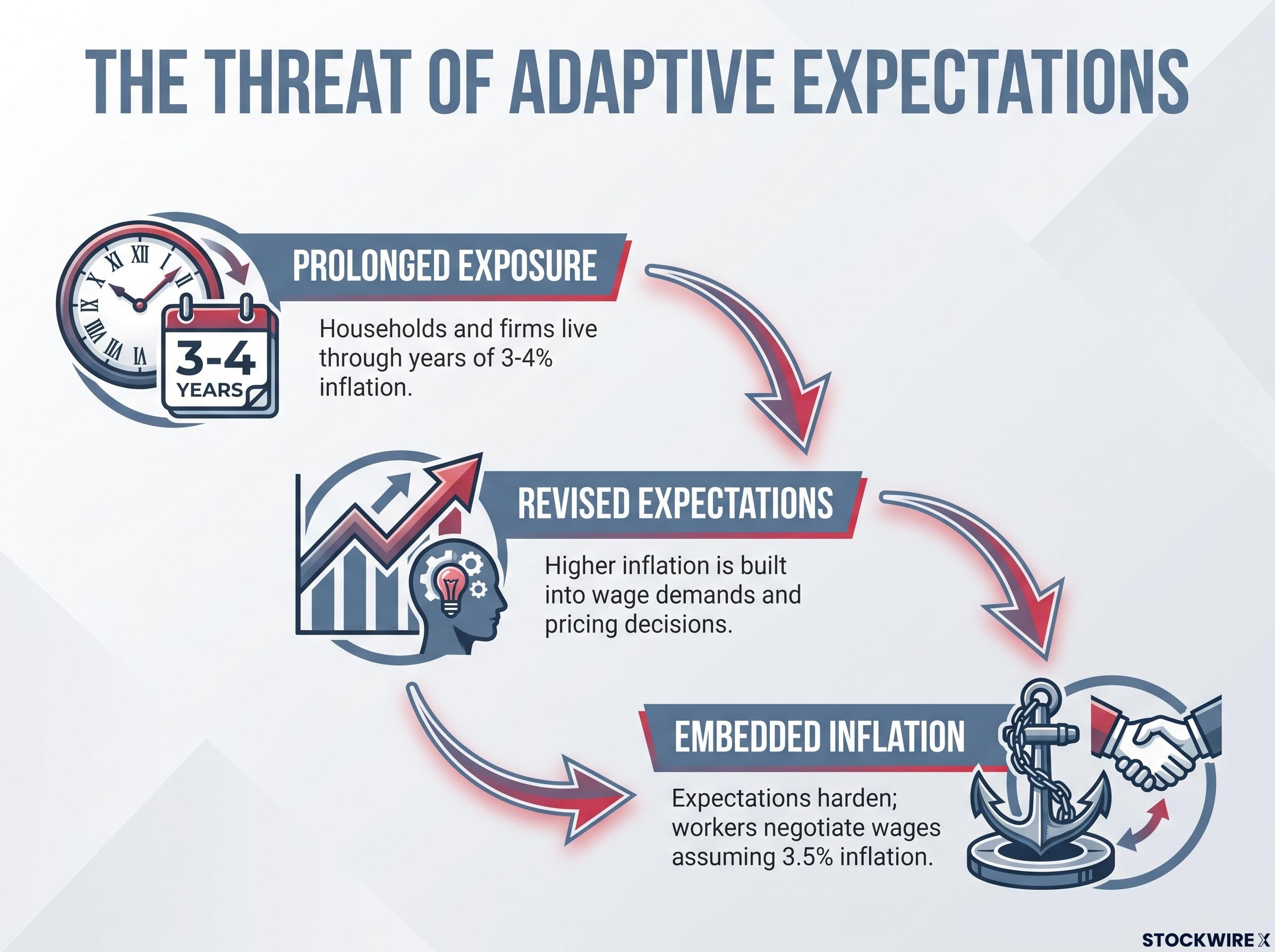
That last step is the one that keeps central bankers awake. If workers negotiate wages assuming 3.5% inflation, and firms set prices assuming the same, the target stops functioning as an anchor. Expectations converge around what people observe rather than what the Fed promises.
Hammack characterised the inflation picture as “not encouraging” and warned that “inflation is too high and is moving higher,” pointing to both headline and core PCE sitting well above the Fed’s objective.
The historical precedent behind this fear is the US stagflation of the 1970s, when delayed tightening let expectations drift for years. Resetting them eventually required the Volcker shock: brutally high rates and a deliberate recession. That is the outcome the current Fed is trying to avoid by acting earlier.
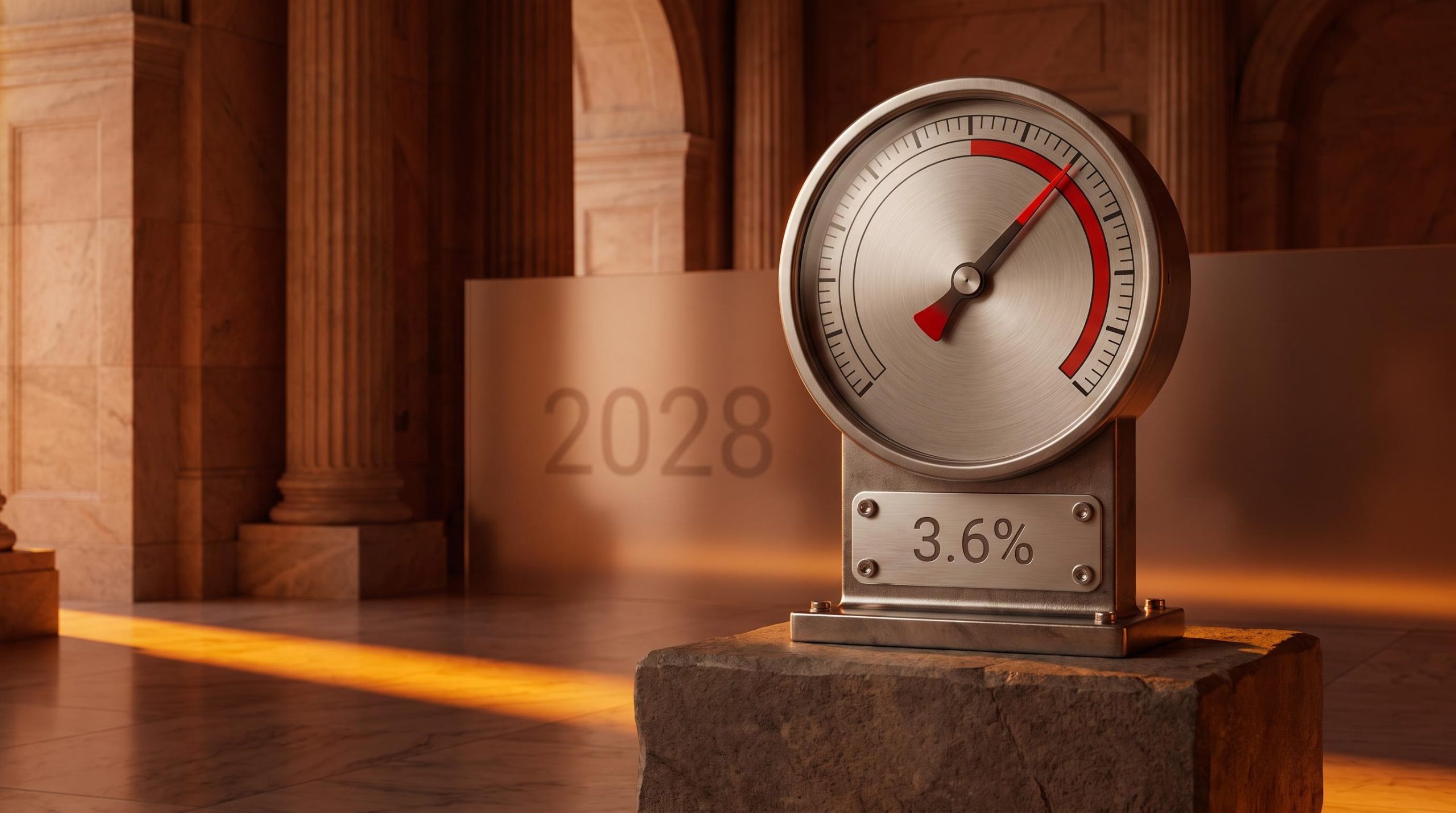
Here is the part worth sitting with. Inflation has drifted from 3.8% in April to roughly 3.6% by August 2026. That looks like progress. But it is still nearly twice the target, and at that glacial pace, the Fed’s credibility window is narrowing rather than widening. This is precisely why the central bank is not content to wait for inflation to fall on its own. For borrowers and investors, this mechanism is what justifies a prolonged restrictive stance even as the headline number nudges lower.
When big ASX news breaks, our subscribers know first
What the data actually shows, and why the Fed is not satisfied
Follow the numbers month by month and the Fed’s dissatisfaction stops looking ideological. It looks like arithmetic.
In her June speech, Hammack cited April 2026 readings of 3.8% headline PCE and 3.3% core PCE. By the 16 September press conference, Chair Warsh said the most recent data pointed to headline PCE around 3.6% for August, with core PCE and core CPI running at roughly 3.2%. That is a downward drift measured in tenths of a percentage point over four months, against a 2% target.
The distinction between energy-driven versus demand-driven inflation matters because it changes the Fed’s calculus significantly: a headline number pushed by oil carries its own reversal mechanism, while core demand pressure requires sustained restrictive rates to slow, which is precisely the dynamic visible in the gap between 3.8% headline and 3.3% core PCE in April 2026.
The gap is the story. Inflation is moving in the right direction, but slowly, and it remains well above where the Fed needs it. Critically, the September hike to 3.75%-4.00%, the first increase since 2023 and the highest rate since December 2025, was made with full knowledge of exactly where inflation sat. The Fed did not tighten on stale data. It tightened knowing inflation was above 3.5% and grinding lower only gradually.
| Metric | April 2026 | August 2026 | Fed target |
|---|---|---|---|
| Headline PCE | 3.8% | ~3.6% | 2% |
| Core PCE / core CPI | 3.3% | ~3.2% | 2% |
| Fed funds rate | Below current | 3.50%-3.75% | Restrictive |
Alongside the rate decision, the interest paid on reserve balances was lifted to 3.90% effective 17 September 2026, a technical adjustment that tightens conditions across the banking system.
What the September projections reveal about the timeline
The Summary of Economic Projections (SEP), the Fed’s quarterly forecast of where officials expect key variables to land, tells you how long this is expected to take. The September SEP raised the core PCE forecast to 3.4% for 2026, then 2.5% for 2027, and 2.1% for 2028.
Read that path carefully. The Fed does not expect inflation to sit near target until at least 2028. That is the timetable it is operating against.
The rate path mirrors it. Both J.P. Morgan Asset Management and TD Economics read the SEP as showing the median fed funds rate ending 2026 around 4.1%, holding at roughly 4.1% through 2027, and only declining to about 3.9% in 2028. Both readings point to a prolonged plateau before any easing begins.
That plateau is itself the message. The Fed is not forecasting a quick resolution, which means borrowing costs are structurally elevated for the next two years regardless of any single data print.
Why a resilient economy makes the Fed’s job harder, not easier
Here is the counterintuitive part. The strength of the US economy is precisely what is keeping inflation sticky, which means good news on growth is, for the rate path, bad news.
Hammack singled out consumer expenditure and capital investment spending as demand-side drivers of inflation, flagging capital expenditure in particular as a force likely to sustain upward pressure for an extended period. When demand stays hot, prices do not fall on their own. Her assessment of the wider economy reinforced the point: labour market conditions are stable and growth remains resilient.
That resilience is the problem. An economy that is not slowing is not self-correcting toward 2% inflation, which is exactly why restrictive policy has to stay in place. With the funds rate at 3.75%-4.00% and PCE near 3.6%, the real policy rate, the rate after inflation, is now positive. That is the Fed pressing on the brake, not merely easing off the accelerator.
Institutional research broadly agreed the September move was measured rather than aggressive.
Research notes from TD Economics, PNC, and J.P. Morgan framed the September hike as widely expected and closely aligned with the Fed’s inflation objectives, describing the decision as a careful balance between persistent inflation and concern over the economic costs of tightening too hard.
That balance points to the genuine dilemma. Holding rates at or above 4% into 2027 carries real risks:
- Recession risk from keeping positive real rates in place after inflation has already begun rolling over.
- Labour market deterioration, as slower demand eventually weighs on hiring, wage growth, and job security.
- Financial and credit stress, with the elevated reserve rate at 3.90% feeding into bank funding costs and squeezing leveraged borrowers and commercial real estate in particular.
For you, this is where the macro debate becomes a line item. If you carry variable-rate debt, a mortgage linked to short-term benchmarks, or exposure to credit-sensitive sectors, the combination of elevated rates and a prolonged plateau is not an abstraction. It is a cost that compounds month after month through 2027. Understanding that demand-side strength is what is keeping the Fed restrictive helps you gauge your own exposure honestly.
How regional Fed voices like Hammack shape the rate outlook markets actually price
Hammack is not a bystander offering colour commentary. She is a voice inside the machine that sets the rate, and understanding that structure explains why her warnings move expectations.
The Federal Open Market Committee has twelve voting officials: the seven members of the Board of Governors, the New York Fed president as a permanent voter, and four regional bank presidents who rotate through one-year voting terms. Regional presidents like Hammack carry genuine policy weight, not just a public platform.
That is why sustained hawkish commentary from a credible regional president functions as a signal. The chain works in three steps:
- A regional Fed president publicly warns that above-target inflation risks unanchoring expectations.
- Markets read that as evidence the bar for early rate cuts is very high.
- Forward rate expectations reprice, pushing out the timing of any easing without a single change to the current policy rate.
That asymmetry matters for your holdings. A single credible hawkish warning can lift forward rate expectations, and with them bond yields, equity valuations, and mortgage spreads, even while the policy rate sits still. Coverage captured the tone: Investopedia reported that Fed officials “don’t think they’re done hiking,” while CNBC noted the Fed “signals one more to come this year.” If you are pricing in earlier easing, that is a signal to reassess. Markets that anchor to the SEP’s 2028 window for cuts are reading these voices correctly.
The international dimension from the Cleveland Fed panel
Hammack made her recent remarks on a panel alongside European Central Bank Vice President Vujcic and Banxico Deputy Governor Jonathan Heath. That grouping situates her warning within a shared global environment, where major central banks are wrestling with the same tension between stubborn inflation and the risk of slowing growth too far.
Where the rate plateau leaves markets and borrowers through 2027
Strip away the abstraction and the plateau becomes a concrete map of financial conditions. A funds rate parked near 4.1% through 2027 produces a specific environment, and it reaches well beyond the headline policy rate.
The reserve rate at 3.90%, effective 17 September 2026, is the transmission belt. It keeps money-market rates and bank funding costs elevated, and those costs get passed through into the price of consumer and business credit. The hike’s effects, in other words, do not stop at the fed funds rate. They travel through the banking system into what you actually pay to borrow.
Three channels carry that pressure into everyday finance:
The rate-sensitive fault lines most exposed to a prolonged plateau include commercial real estate, regional banks carrying CRE concentrations near 300% of Tier 1 capital, and private credit borrowers where more than a third now have interest costs exceeding earnings, sectors where the BIS-documented two-to-three year lag between hikes and peak stress puts the most dangerous phase squarely in 2025-2026.
- Short-term government yields stay elevated, keeping the yield curve flat or inverted as long-term rates weigh both the restrictive stance and eventual future cuts.
- Consumer and mortgage credit spreads tighten, raising the cost of home loans and auto finance.
- Corporate borrowing costs rise, squeezing leveraged firms and refinancing activity.
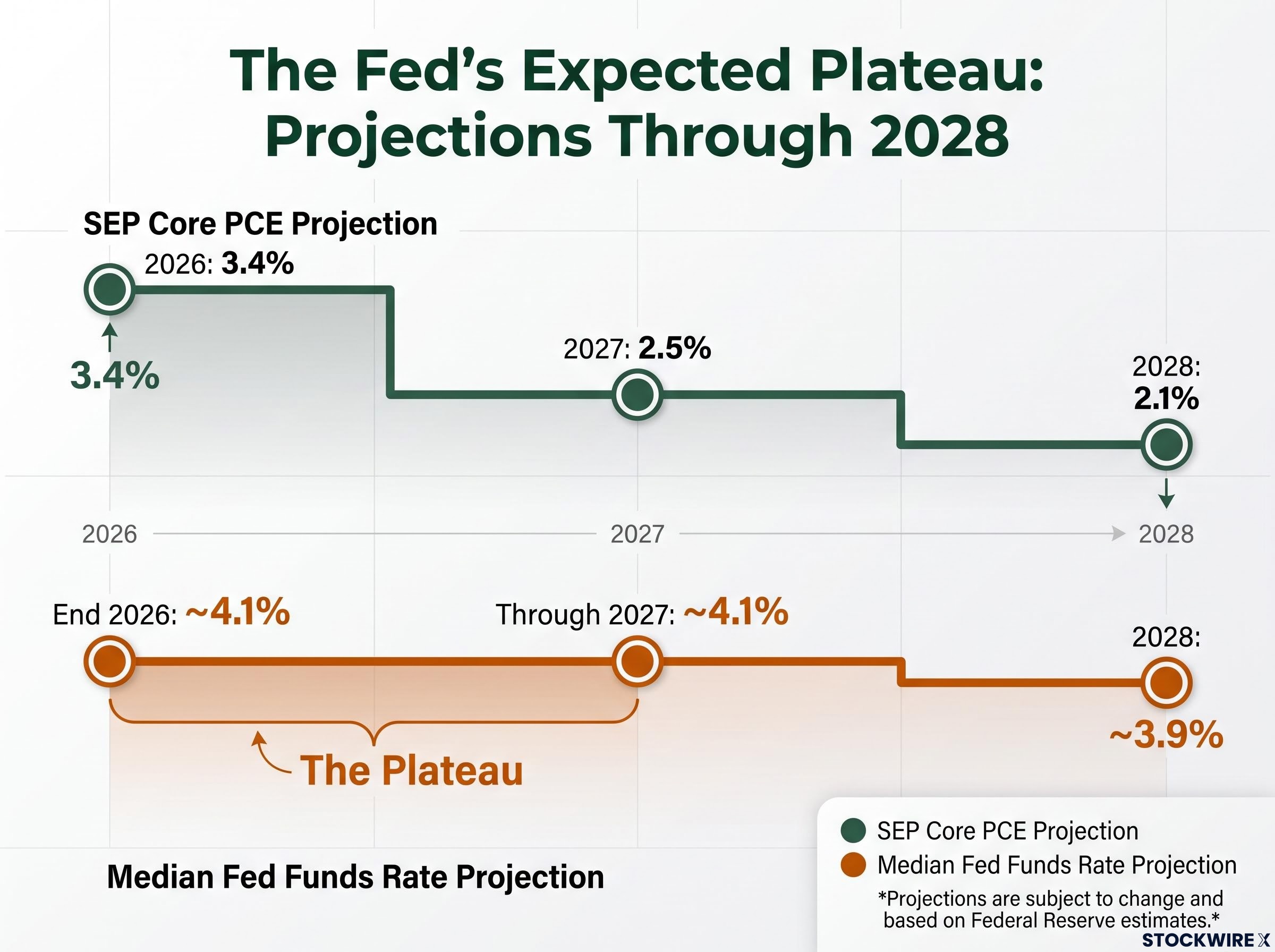
The eventual relief valve opens slowly. The SEP projects the rate declining only to about 3.9% in 2028, which points to gradual normalisation rather than the rapid cuts markets saw in 2020 or early 2024. CNBC’s reporting of one more expected hike in 2026 implies a brief additional tightening before the plateau sets in.
The Fed’s own SEP core PCE path runs at 3.4% in 2026, 2.5% in 2027, and 2.1% in 2028, the timetable the central bank is measuring itself against before it starts cutting.
For you, the practical read is straightforward. If you are refinancing, taking on variable-rate business debt, or positioning a bond portfolio, treat the plateau as the base case. The relief is real but distant. Sizing your exposure around an imminent easing that neither the data nor the Fed’s projections support leaves you exposed to being wrong-footed. The plateau is the environment, not a brief stop on the way to lower rates.
Planning around a Fed that is in no hurry to ease
The base case from the Fed’s own numbers is not that rates stay high forever. It is that they stay high longer than markets typically assume at this point in a cycle. Building that into your decisions now is how you avoid being caught out later.
Three variables would move the plateau, listed roughly in order of Fed sensitivity:
- The PCE trajectory relative to the SEP’s 3.4% 2026 forecast. A faster-than-projected decline would open the door to earlier cuts; sticky readings would keep it shut.
- Labour market deterioration, particularly a meaningful rise in unemployment, which would shift the Fed’s balance toward its employment mandate.
- Financial stability signals, such as visible stress in credit markets, that could force the Fed’s hand regardless of where inflation sits.
Keep Hammack’s warning as the north star for reading all three. The Fed will not ease simply because inflation dips below 3.5%. It will ease when it is confident expectations remain anchored at 2%, and its own projections do not place that moment before 2028, according to the J.P. Morgan and TD Economics readings of the SEP.
The honest assessment: the path is gradual, the risks of overtightening are real but not dominant in the current projections, and a sensible planning horizon assumes restrictive rates through at least mid-2027. This is not a prediction. It is a structured way to monitor whether the base case is holding or breaking down.
For investors who want to understand the structural boundaries of what Fed rate decisions can and cannot achieve, our full explainer on Fed policy transmission limits covers Friedman’s long and variable lags concept and why the overnight rate the Fed controls is several steps removed from the mortgage, business loan, and consumer credit rates that actually drive spending decisions.
This article is for informational purposes only and should not be considered financial advice. Investors should conduct their own research and consult with financial professionals before making investment decisions. Past performance does not guarantee future results, and financial projections are subject to market conditions and various risk factors.