Archer advances potassium Biosensor with promising pre-pilot blood collection study
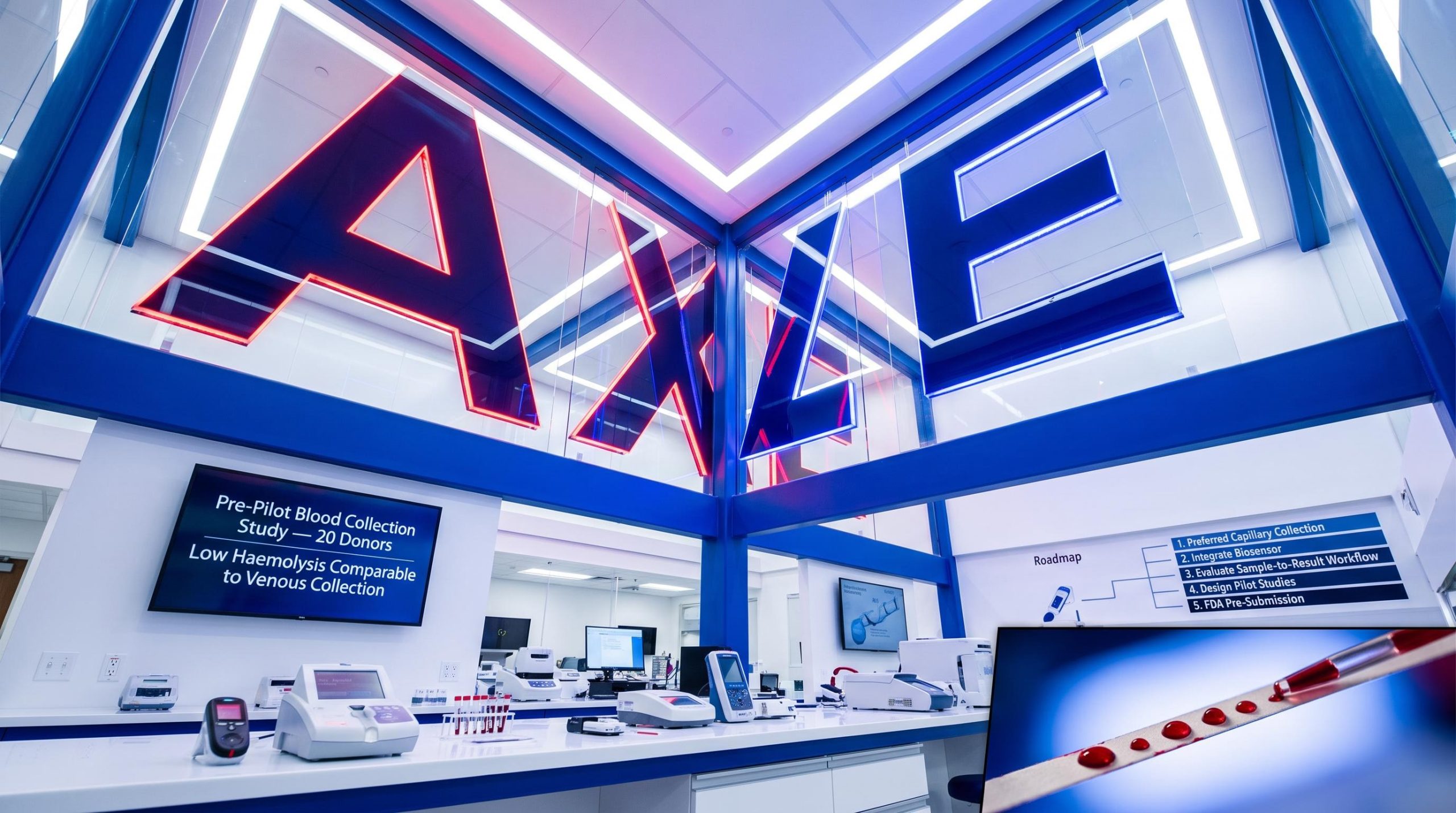
Archer Materials (ASX: AXE) has completed an early-stage blood collection study involving 20 donors to support the development of its potassium Biosensor. The study identified a capillary blood collection approach, a finger-prick type method, that produced low levels of haemolysis broadly comparable with conventional venous blood collection, the current pathology lab standard.
The findings mark a step in Archer’s transition from developing individual Biosensor components towards an integrated sample-to-result system suitable for future evaluation.
It is important to note this is an early pre-pilot development study and not a clinical validation study of the potassium Biosensor. The work forms part of the engineering required to progress Archer’s beta prototype into an integrated blood testing system, rather than a milestone confirming diagnostic performance.
When big ASX news breaks, our subscribers know first
Inside the 20-donor study results
The study evaluated conventional venous collection alongside several capillary blood collection approaches, with the extent of haemolysis associated with each method assessed using established laboratory techniques.
One capillary approach achieved consistently low haemolysis, broadly comparable with venous collection. Other capillary approaches showed higher levels of haemolysis, providing insights that help Archer identify the most suitable collection methods for further development of its potassium testing workflow.
| Collection Method | Type | Haemolysis Level | Relevance to Archer |
|---|---|---|---|
| Venous collection | Pathology lab standard | Baseline reference | Comparison benchmark |
| Preferred capillary approach | Finger-prick type | Low, comparable to venous | Selected for further development |
| Other capillary approaches | Finger-prick type | Higher | Informs method selection |
Why haemolysis matters in potassium testing
Haemolysis occurs when red blood cells are damaged during or after collection. This can release additional potassium into the sample, potentially causing an artificially elevated reading.
For Archer, a reliable potassium test depends not only on the performance of the Biosensor itself, but also on measuring and managing haemolysis. Understanding how blood collection and preparation influence haemolysis levels is central to producing a trustworthy result.
The chain of impact can be summarised as follows:
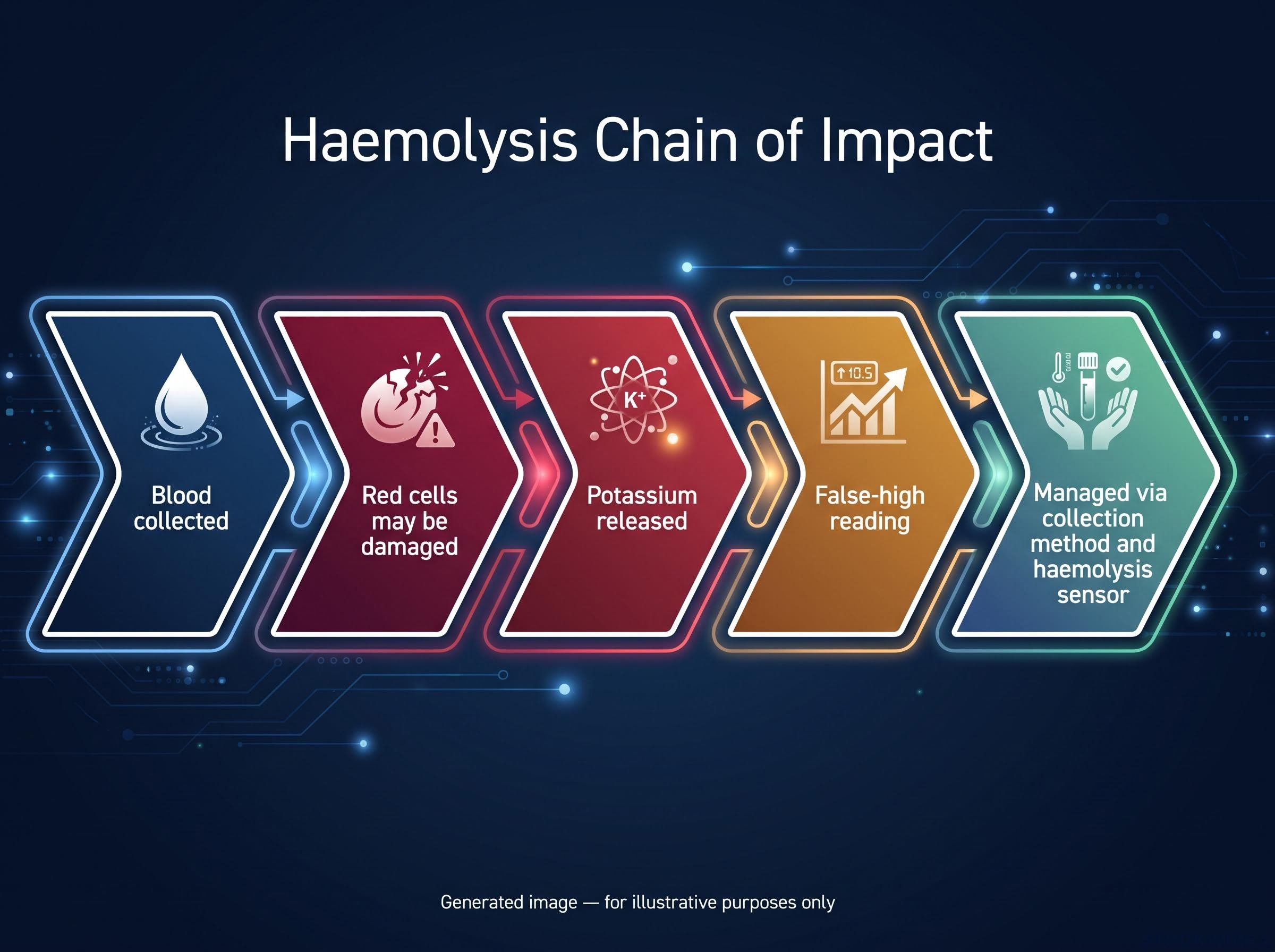
- Blood collected → red cells may be damaged → potassium released → false-high reading → managed via collection method and haemolysis sensor.
The study builds on Archer’s earlier haemolysis sensor work, described in the Company’s announcements of 31 March 2025 and 29 July 2026. For investors, sample quality is the foundation of a dependable diagnostic, and addressing it helps de-risk the path towards a commercial product.
CEO Commentary
“Damage to red blood cells during collection can release potassium into the sample and potentially lead to an artificially high result. This study gives us valuable information about how different collection approaches affect the quality of the blood sample and how we should engineer our overall testing workflow,” said Dr. Simon Ruffell, Chief Executive Officer.
Next steps toward an integrated beta system and FDA engagement
The findings feed directly into the engineering of Archer’s beta prototype and its blood sample collection and processing workflow. The next stage will bring the preferred capillary collection approach together with Archer’s blood processing components and Biosensor technology, allowing the Company to increasingly evaluate the complete sample-to-result workflow. This integrated approach is consistent with the development pathway for 2026.
Beta prototype development at Archer encompasses the integration of the silicon sensing chip, cartridge, microfluidics, readout electronics, and software into a user-ready handheld system, with IMEC and contract manufacturing organisations engaged to support scale-up and eventual clinical deployment.
The results are also expected to help Archer design its future pilot and pivotal studies, including appropriate blood collection and sample quality procedures. The data are expected to contribute to Archer’s planned regulatory engagement, including a future FDA Pre-Submission. This reflects long-term commercial intent and does not indicate that any FDA submission or approval has occurred.
The roadmap ahead can be outlined as follows:
- Apply the preferred capillary collection approach.
- Integrate with blood processing components and Biosensor technology.
- Evaluate the complete sample-to-result workflow.
- Design pilot and pivotal studies.
- Progress toward a future FDA Pre-Submission.
Dr. Ruffell noted the results “support our progression from individual prototype components towards an integrated beta system.”
What it means for investors
Archer is a quantum technology company operating within the semiconductor industry, developing advanced chips relevant to quantum computing, sensing, and medical diagnostics.
This study represents incremental de-risking of the Biosensor commercialisation pathway, reflecting engineering progress rather than a validation milestone. The forward-looking regulatory element, a planned FDA Pre-Submission, signals the Company’s long-term commercial intent.
For investors, the update reinforces steady progress within Archer’s broader 2026 development pathway, while remaining an early-stage engineering step rather than confirmation of clinical performance.
For investors exploring the regulatory pathway in more depth, our detailed coverage of Archer’s FDA pre-submission preparations outlines the industrial design work underway, the haemolysis sensing integration with Hylid Diagnostics, and the lithium monitoring feasibility results that are shaping the planned pre-submission meeting agenda.
Don’t Miss the Next Healthcare Tech Breakthrough on the ASX
Big News Blast delivers FREE breaking ASX healthcare and tech news directly to your inbox within minutes of release, complete with in-depth analysis. Over 20,000 subscribers are already getting the edge on market-moving announcements. Click the “Free Alerts” button at StockWire X to make sure you never miss the next major update.