

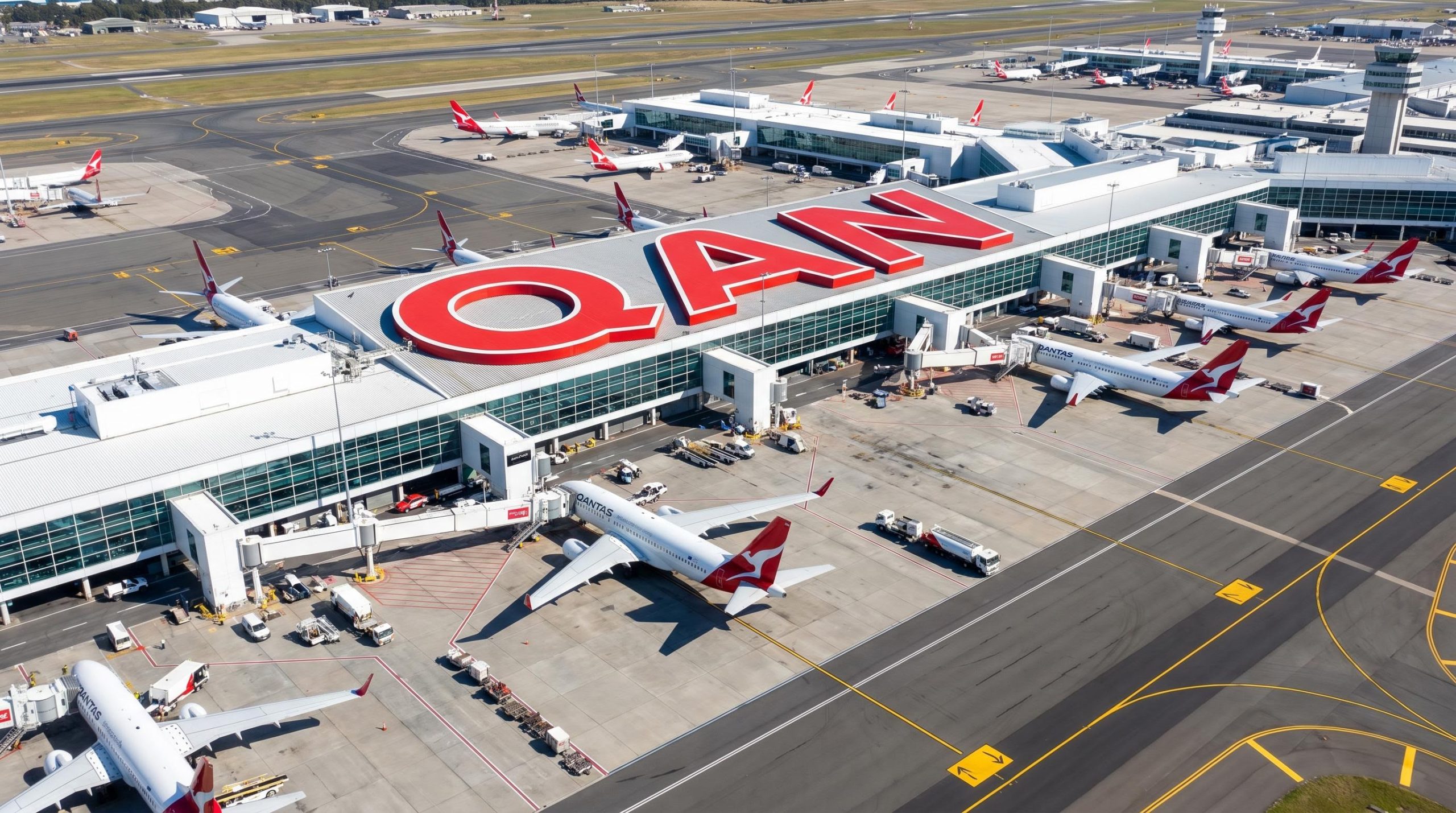
Qantas extends network adjustments as fuel costs remain elevated
Qantas Airways has extended previously announced schedule changes into Q1 FY27 (July–September 2026), responding to sustained high fuel costs from the Middle East conflict and strong demand for European travel. The capacity adjustments reduce international flying by 2 percentage points and domestic flying by 5 percentage points below previous guidance, demonstrating disciplined capital allocation as management prioritises margin protection over volume growth in an elevated cost environment.
The adjustments represent proactive capacity management rather than reactive cuts. The airline is redeploying aircraft to profitable routes whilst paring back lower-margin services, a standard yield management practice when input costs spike.
When big ASX news breaks, our subscribers know first
European routes gain capacity while other markets pare back
Qantas will add capacity to Europe by extending Perth–Rome flights to the end of October and continuing Paris services at three return flights per week from August, operating via Sydney–Singapore–Paris. These changes provide an additional 2,000 seats to and from Europe weekly, responding to sustained demand on high-yield routes.
The European capacity uplift offsets reductions elsewhere in the network. Qantas has temporarily suspended Sydney–Bengaluru flights from August, resuming at the end of October. Both Qantas and Jetstar have reduced Trans-Tasman capacity. The adjustments target lower-margin routes whilst protecting high-demand corridors where elevated fuel costs can be absorbed through higher fares.
Temporary route suspensions
The Sydney–Bengaluru suspension runs from August through the end of October 2026 before resuming. Trans-Tasman reductions affect both Qantas and Jetstar services across multiple city pairs. Customers booked on affected flights are being contacted directly with rebooking options or refunds. Partner airline bookings can be switched to Qantas-operated flights where capacity has been added.
What fuel hedging and capacity management mean for airline investors
Airlines face a fundamental trade-off when fuel costs spike: continue flying all planned routes and accept margin erosion, or reduce capacity to protect profitability. Jet fuel is typically an airline’s largest variable cost, and when prices rise sharply due to geopolitical events, carriers must decide which routes can still generate acceptable returns at higher input costs.
Qantas’ approach demonstrates network flexibility in action. By redeploying aircraft from lower-yield routes (Bengaluru, Trans-Tasman) to high-demand corridors (Europe), the airline maintains overall capacity discipline whilst capturing revenue where passengers are willing to pay fares that justify elevated fuel costs. This is standard yield management: flying seats where they generate the highest contribution margin.
For investors, schedule flexibility represents a competitive advantage. Airlines with diverse route networks and modern fleets can shift capacity more readily than carriers locked into fixed bilateral agreements or operating older, less fuel-efficient aircraft. The ability to respond quickly to cost shocks by optimising the network separates margin-resilient operators from volume-focused competitors.
Customer impact and forward outlook
Affected customers are being contacted directly and offered alternative flights or full refunds. Passengers booked on partner airline services can switch to Qantas-operated flights where additional capacity has been deployed, particularly on European routes. The airline is honouring existing bookings whilst managing forward capacity to match demand with cost realities.
The capacity reductions are benchmarked against Q1 FY27 guidance provided in the 1H26 financial results. The Middle East conflict’s impact on fuel prices remains the primary driver, with spot prices significantly elevated compared to historical averages.
Key capacity adjustments:
- International capacity: 2 percentage points below guidance
- Domestic capacity: 5 percentage points below guidance
- Perth–Rome extended to end of October
- Sydney–Bengaluru suspended August, resuming late October
The changes reflect measured network management rather than structural retrenchment. Qantas retains the flexibility to restore capacity if fuel costs normalise, whilst protecting margins in the current elevated cost environment.
Want the Next Aviation Breakthrough in Your Inbox?
Join 20,000+ investors getting FREE breaking ASX news delivered within minutes of release, complete with in-depth analysis. Click the “Free Alerts” button at Big News Blast to receive real-time alerts the moment market-moving announcements hit the wire.