
August CPI Beats on Core, Cementing a September Rate Hike
Sep 12, 2026

Market timing, the practice of adjusting investment positioning based on economic cycle signals, valuation indicators, and market structure analysis, is one of the most studied and debated disciplines in investing. StockWire X covers market timing insights, economic cycle analysis, and the macro and technical signals investors use to navigate bull and bear market conditions. From interest rate cycles to sector rotation patterns, our coverage tracks the forces that drive market regime changes.

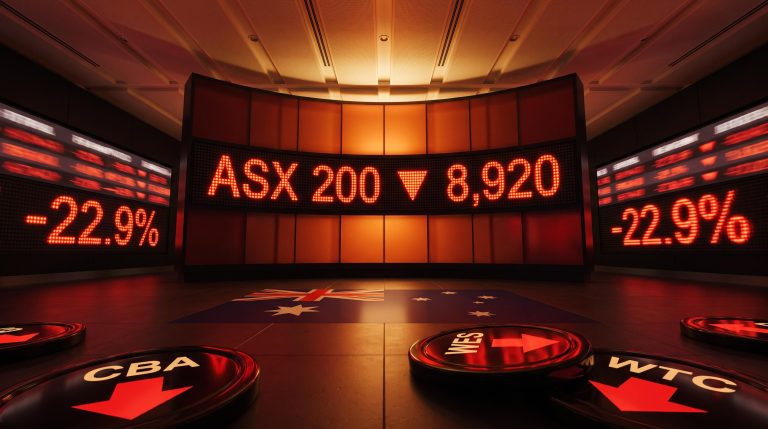




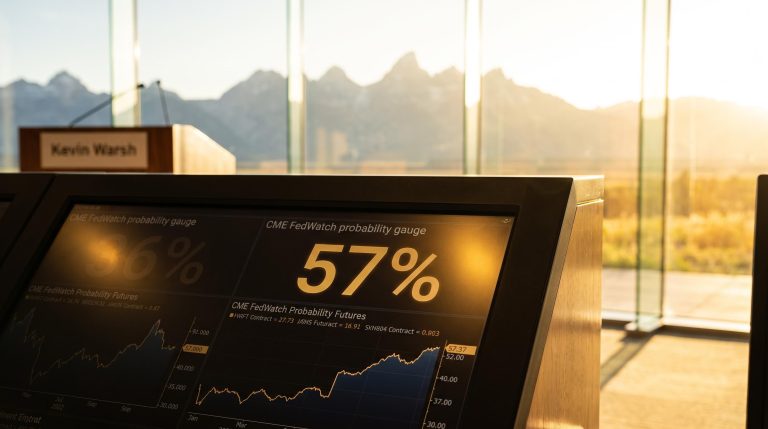




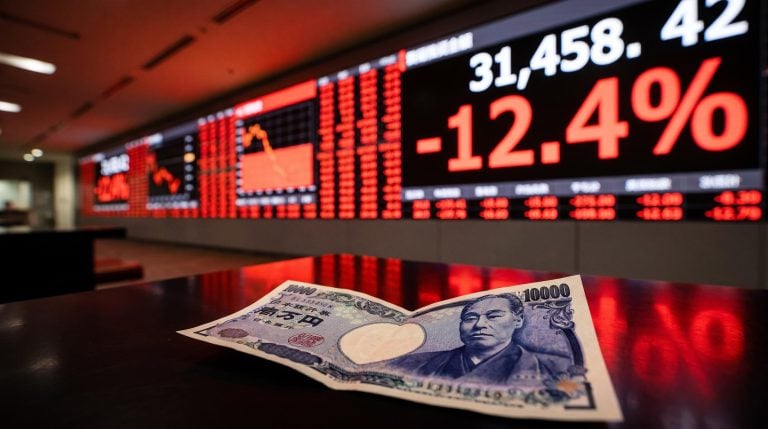











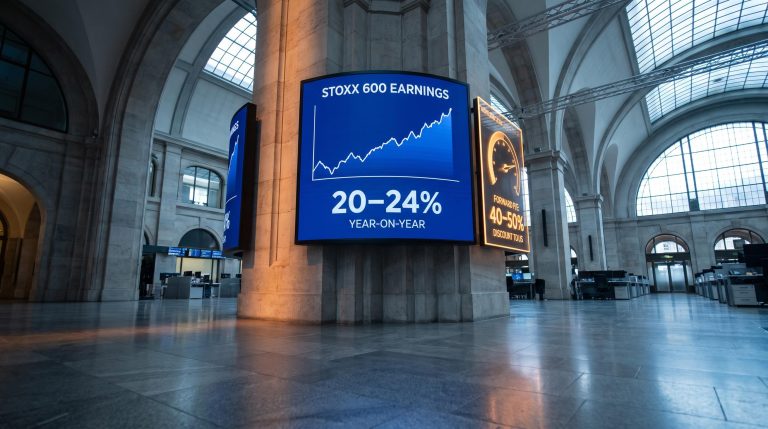


Understanding where we are in the economic and market cycle is foundational to portfolio construction, different sectors, asset classes, and investment styles perform differently across expansion, peak, contraction, and recovery phases. Market timing in its purest form, accurately predicting short-term market turning points, is notoriously difficult and even professional fund managers rarely achieve it consistently. However, cycle-aware investing, adjusting sector weightings, reducing risk during late-cycle conditions, and increasing exposure during early-cycle recoveries, has demonstrated genuine value over long periods. Leading indicators including yield curve dynamics, credit spreads, PMI data, and earnings revision trends are closely monitored by investors seeking to anticipate regime shifts. StockWire X covers the macroeconomic developments, market structure signals, and investment strategy insights that help investors navigate market cycle transitions with better-informed positioning.
Perfectly timing stock market peaks and troughs is not reliably achievable over time, even by professional investors. However, cycle-aware risk management, including reducing portfolio risk when valuations are stretched and sentiment is euphoric, has demonstrated value. Most practitioners use market timing signals as probability-weighted risk management tools rather than binary all-in or all-out switches.
Stock market timing is the practice of adjusting investment exposure based on predictions about future market direction. It is controversial because research consistently shows that missing even a small number of the market's best days due to being out of the market significantly reduces long-term returns. Most financial planning advice advocates time in the market over timing the market for long-term investors.
Market timing involves shifting portfolio allocations based on predictions about future market direction, moving to cash before expected declines and back into equities before anticipated rallies. Research consistently shows that most investors are unable to time markets successfully over extended periods. The difficulty lies in needing to be correct twice: identifying when to exit and when to re-enter. Missing even a small number of the market's best-performing days can significantly reduce long-term returns.
The most widely used market timing indicators include the yield curve (inverted curves have preceded every US recession), credit spreads (widening signals rising financial stress), earnings revision breadth (falling revisions often precede market weakness), and valuation metrics like the Shiller CAPE ratio. No single indicator is reliably predictive in isolation, and most practitioners use combinations of signals.