St. Louis Fed President Alberto Musalem said on Friday that further Fed rate hikes will be needed “soon,” yet the US dollar ended the session mixed to softer rather than higher. A hawkish signal from one of the central bank’s own officials ran straight into a market that was paying attention to other forces.
Musalem delivered his remarks to the Shadow Open Market Committee, a group of economists who track the Federal Reserve, in New York on 30 October 2026. He argued that inflation is still too high and that monetary policy remains accommodative, meaning it is still loose enough to support spending and borrowing.
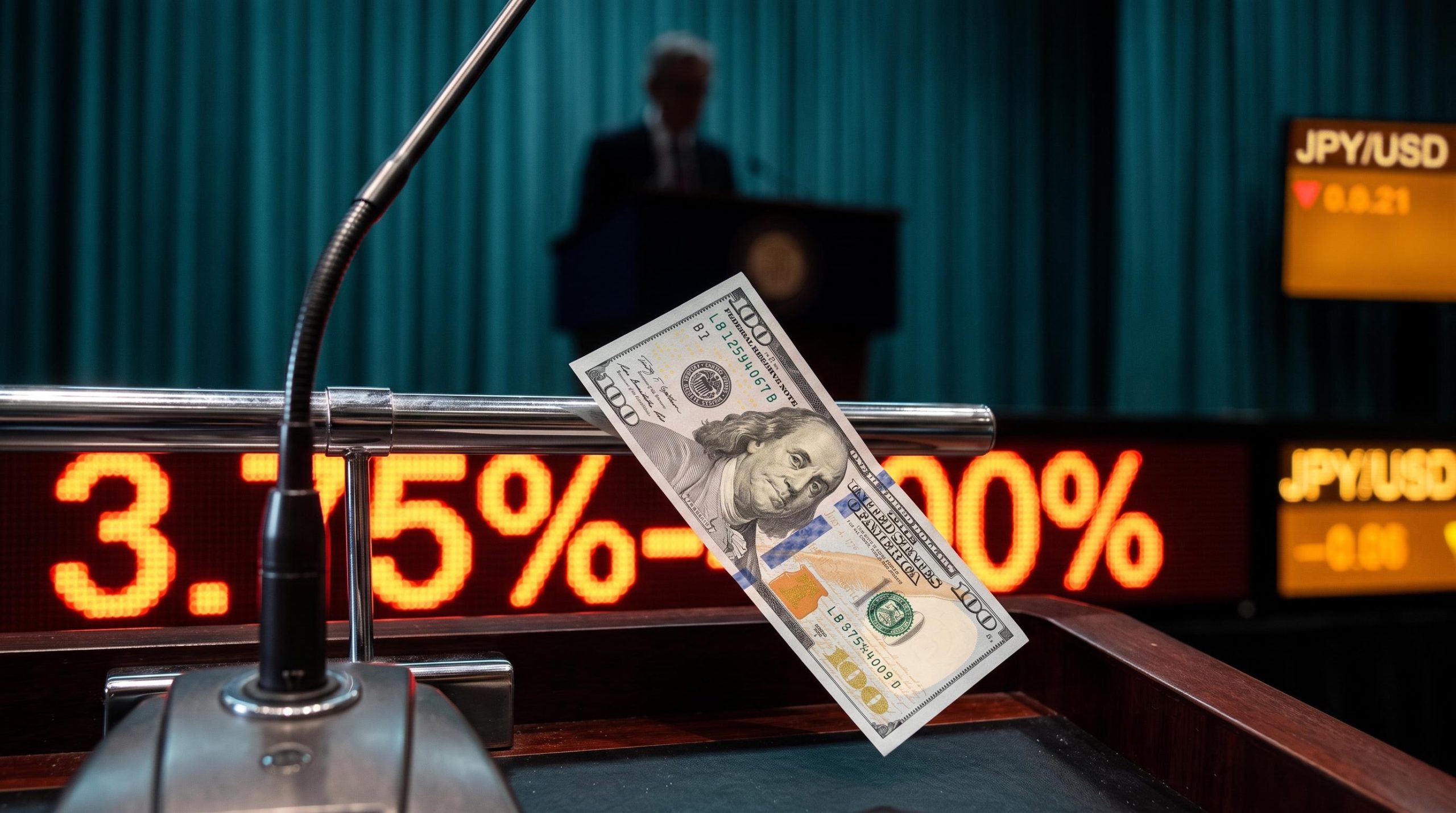
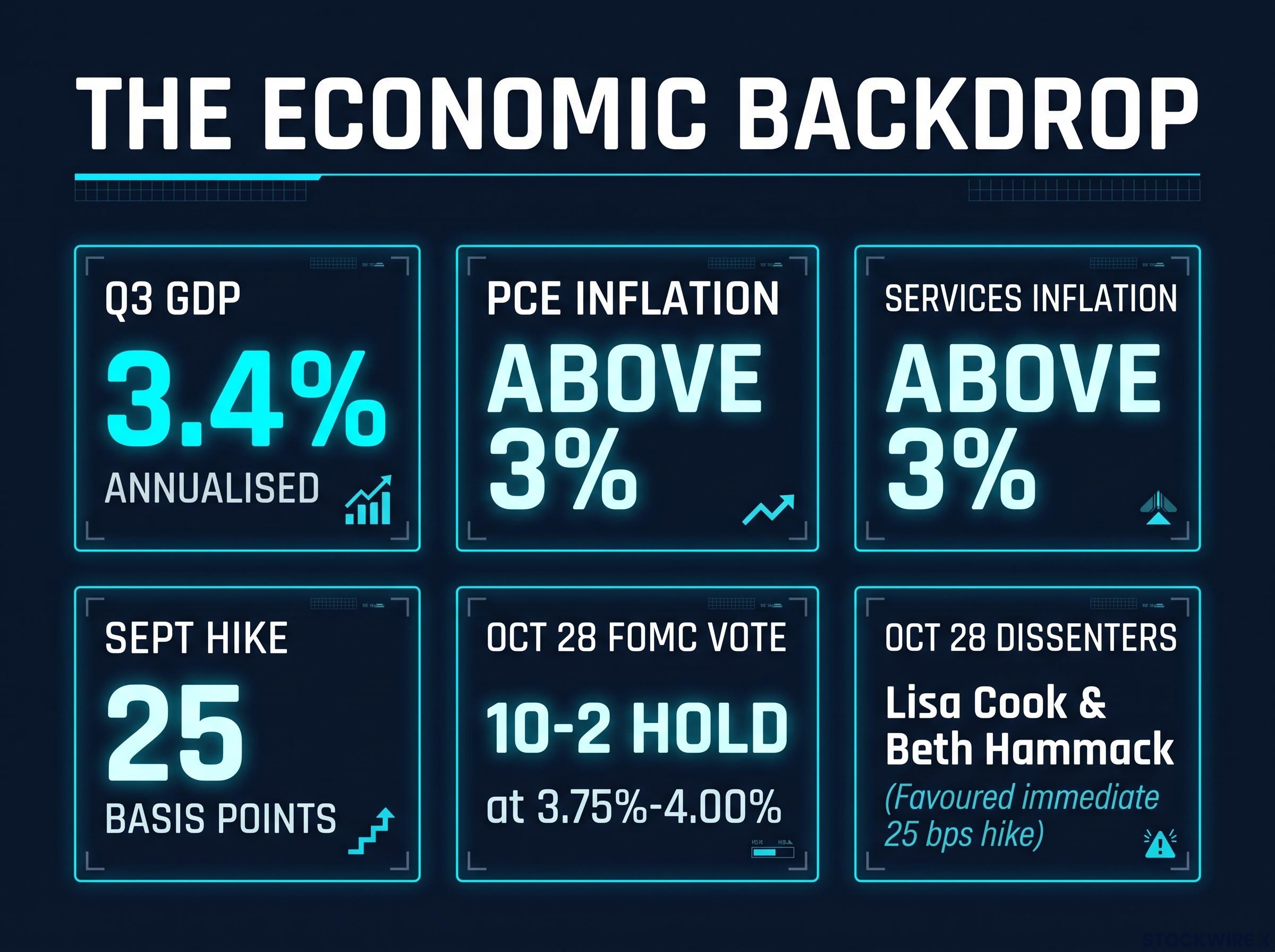
His comments came two days after the Federal Open Market Committee (FOMC) voted 10-2 on 28 October to hold its target range at 3.75%-4.00%.
Here is why a hawkish message failed to lift the dollar, what a gradual tightening path could mean for currencies and markets, and how to judge which Fed voices carry the most weight.
Why did the dollar slip on a hawkish day?
On paper, the setup favoured the greenback. A senior Fed official was openly calling for higher rates, and higher expected rates usually attract capital to US assets.
The session told a different story. Falling Treasury yields, a stronger yen and a selloff in AI-linked shares pulled the dollar in the other direction, according to Reuters-based accounts. Safe-haven buying went to the yen and the Swiss franc rather than the dollar.
Reports differ by source and timing, so the picture is mixed rather than one-way:
| Currency | FXStreet move vs USD | Reuters-based report |
|---|---|---|
| EUR | USD +0.21% | Euro near $1.1195; direction varied between updates |
| GBP | USD -0.14% | Pound up 0.14% to 0.30% |
| JPY | USD -0.17% | Yen stronger, near 157 per dollar |
| CAD | USD -0.28% | Not reported |
| AUD | USD -0.07% | Up about 0.1% at $0.7034 |
| NZD | USD -0.06% | Not reported |
| CHF | USD -0.12% | Franc stronger by about 0.5% in a later update |
The gaps between sources most likely reflect when each snapshot was taken, not a genuine disagreement about the day.
The dollar index had only recently posted a DXY breakout above 100 on the September hike and safe-haven demand, which helps explain why Friday’s slip to about 101.86 reflected a pause within a stronger trend.
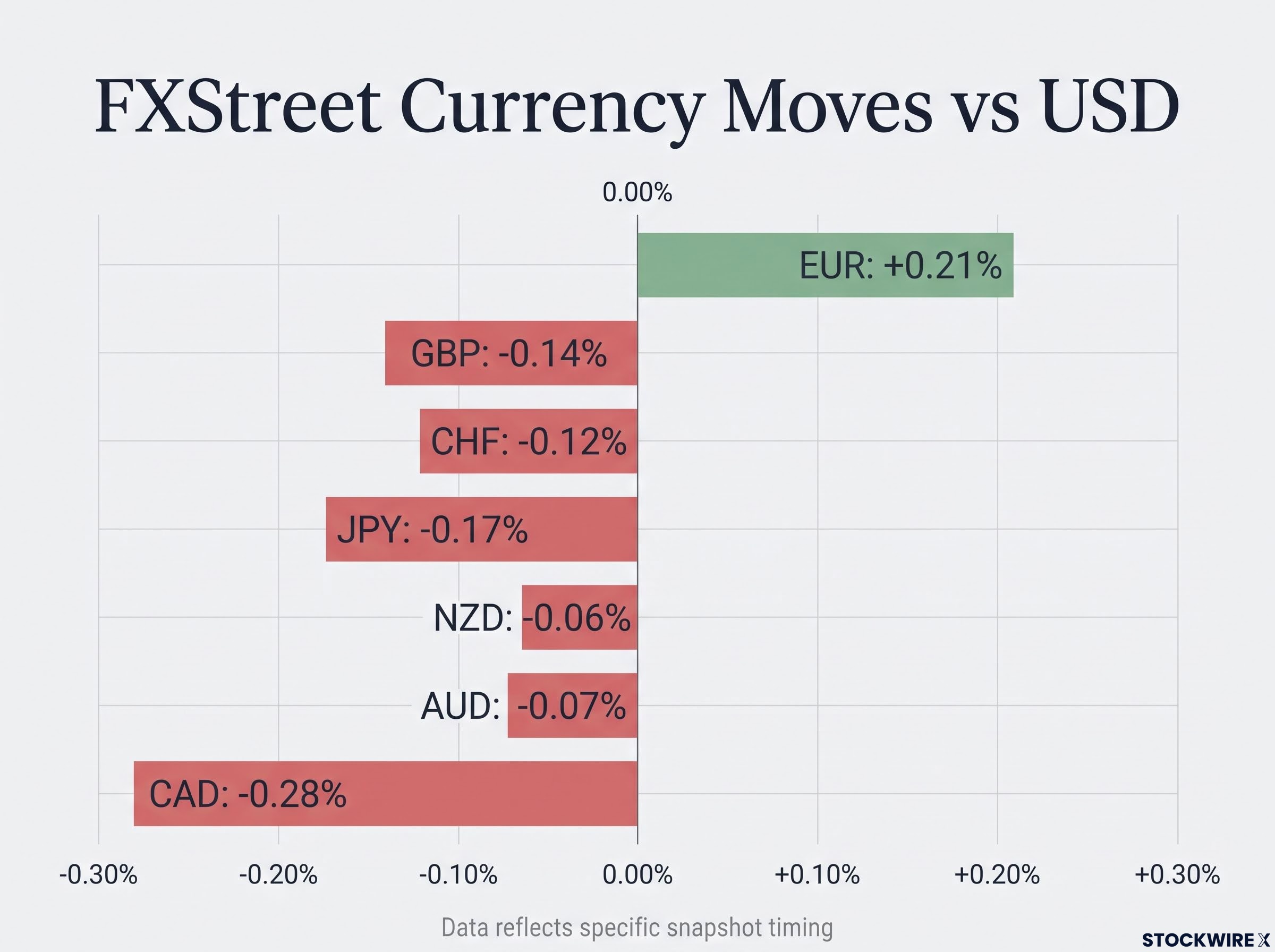
The euro shows this most clearly. FXStreet had the dollar ahead against it, while Reuters updates showed the euro rising at some points and falling at others. The dollar index (DXY), which tracks the dollar against a basket of major currencies, fell roughly 0.2% to about 101.86 in the syndicated Reuters update, compared with a late-session 101.94 on MarketWatch and about 101.65 intraday on FXStreet.
Rate expectations have not disappeared. Reuters market reporting showed investors still see a possible next increase at the 8-9 December meeting.
For you, the lesson is simple: one session’s currency move blends yields, risk appetite and positioning. It is not a verdict on Fed policy.
What Musalem and Barkin are actually arguing for
Musalem did not hedge.
“I judge that additional firming of monetary policy will be necessary, and soon.”
He described policy and financial conditions as still accommodative, noting conditions had tightened only slightly around the Fed’s September hike of 25 basis points (a basis point is one hundredth of a percentage point). The economy gives him room to push: third-quarter GDP grew at a 3.4% annualised pace, PCE inflation sits above 3%, services inflation remains sticky above 3%, and goods inflation has firmed partly on energy costs. He also pointed to AI investment as a source of demand.
His case for acting early rests on timing. “Incremental adjustments made earlier are usually less disruptive than larger and abrupt actions taken later,” Musalem said, adding that “moving sooner in smaller steps while inflation expectations are anchored has a better chance of succeeding without adverse impact on the labor market or economic growth.”
Richmond Fed President Thomas Barkin offered a similar read on SiriusXM, as reported by Reuters. “Inflation’s high, demand is solid, unemployment is relatively low,” he said, calling the direction of policy “pretty straightforward” and the pace the open question. “Gradual makes sense when you’re not much behind the curve,” he added.
The positions line up closely:
- Musalem: More hikes needed soon, in measured steps.
- Barkin: Gradual increases while the Fed is not far behind the curve.
- Lisa Cook and Beth Hammack: Dissented on 28 October in favour of an immediate 25 basis point hike.
The risk behind the hold
Policy works with a delay. Further hikes could tighten credit and weaken hiring after inflation has already started to ease, which is the main reason the FOMC chose to pause and gather more information.
What this tells you is that the Fed’s internal argument is about speed, not direction. Further tightening is the base case to plan around, whether you hold bonds, carry a variable-rate loan or own equities.
The Fed’s internal argument over speed is harder to price because of the removal of forward guidance, which leaves inflation prints and individual speeches to drive rate expectations between meetings.
How Fed rate decisions, QE and QT move the dollar, and why voting status matters
The Fed pursues 2% inflation and full employment mainly by setting interest rates. Higher expected US rates lift US yields relative to those abroad, which tends to draw money into dollars.
What moves the dollar
2022 shows the mechanism at full strength. Rapid hikes, rising US yields and safe-haven demand drove a sharp dollar rally, though Fed research cautions that exchange rates do not follow policy rates one-for-one and that risk appetite played a large role.
Quantitative easing (QE) means the Fed creates money to buy bonds, as it did after the 2008 crisis. Quantitative tightening (QT) is the reverse: the Fed lets bonds mature without replacing them, draining money from the system.
| Policy tool | Typical effect on US yields | Typical dollar effect | Caveat |
|---|---|---|---|
| Rate hikes | Higher relative to foreign yields | Tends to strengthen | Risk appetite can override |
| Rate cuts | Lower yield advantage | Tends to weaken | Global stress can lift the dollar anyway |
| QE | Lowers long-term yields | Usually weakens | Crisis demand for safety can reverse it |
| QT | Can raise term premia | Usually supports | Effect is not mechanical |
How the FOMC is built
- 12 voting members: seven Board governors, the New York Fed president permanently, and four of the other 11 Reserve Bank presidents on rotating one-year terms.
- Eight scheduled meetings a year.
- All presidents attend and debate, but only five presidents vote.
Voters can shape the decision and add to dissents, while nonvoters reveal how views are spread across the Committee. Check the current rotation before weighing Musalem’s or Barkin’s words, and look at the yield and risk backdrop before acting on any Fed headline.
The FOMC voting structure explains why no single official, including a vocal hawk, can redirect policy alone, since only five Reserve Bank presidents vote at any time.
What to watch before the 8-9 December FOMC meeting
The Fed’s centre of gravity has clearly shifted hawkish, but Friday’s trading showed that yields and risk appetite can still outrun the message. The December meeting, which Reuters reports investors see as a possible hike date, is the next real test.
Investors weighing the December meeting also face forward roadmap risk, because a hawkish move paired with a softer path can hit bonds, the dollar and gold at the same time.
Three signals are worth tracking:
- PCE and core inflation readings, for signs that price pressures are broadening.
- Treasury yields and sentiment around AI shares, which drove Friday’s currency moves.
- Further remarks from voting officials, who directly shape the decision.
Rather than assuming a straight line of increases, weigh the pace of tightening against the risk of overtightening as each data point lands.
These statements are speculative and subject to change based on market developments and economic data.
This article is for informational purposes only and should not be considered financial advice. Investors should conduct their own research and consult with financial professionals before making investment decisions.