On 2 September 2026, U.S. private employers added just 38,000 jobs, the weakest monthly reading since January, and the stock market did not rally. That is the puzzle this article solves.
For most of the post-2008 era, a soft jobs print lit a bullish fuse under equities almost automatically. Investors read labour weakness as an invitation for the Federal Reserve to ease, and stocks climbed on the anticipation. That relationship is now breaking down, and understanding why matters if you are watching the 16 September 2026 FOMC decision.
Here is what is actually happening, why the old rule no longer applies, and the one data point on Friday that will tell you whether September’s rate decision is already settled.
How “bad news is good news” is supposed to work
Before you can understand why the trade failed this week, you need to understand why it usually works. And it usually does work, for a specific and logical reason.
The Federal Reserve operates under what is called a dual mandate: it is legally tasked with keeping prices stable and employment as high as sustainably possible. When the labour market weakens, the second half of that mandate gives the Fed a reason to cut interest rates to support hiring.
Lower interest rates change how the market values stocks. When rates fall, the discount rate applied to a company’s future earnings falls too, which raises the present value of those earnings today. In plain terms, cheaper money makes future profits worth more right now, and share prices rise to reflect it.
Here is the full chain the market has traded on for years.
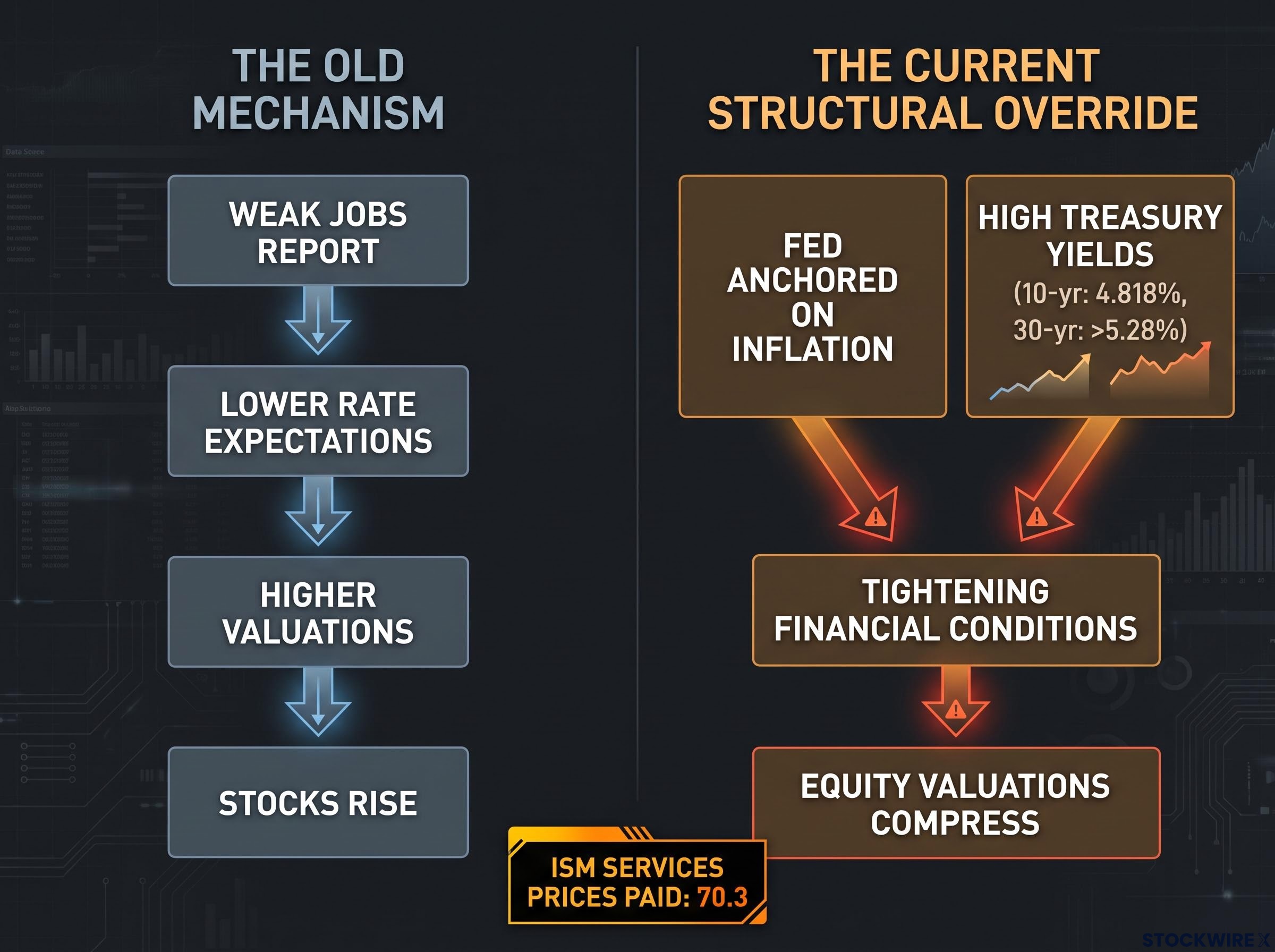
The conventional mechanism
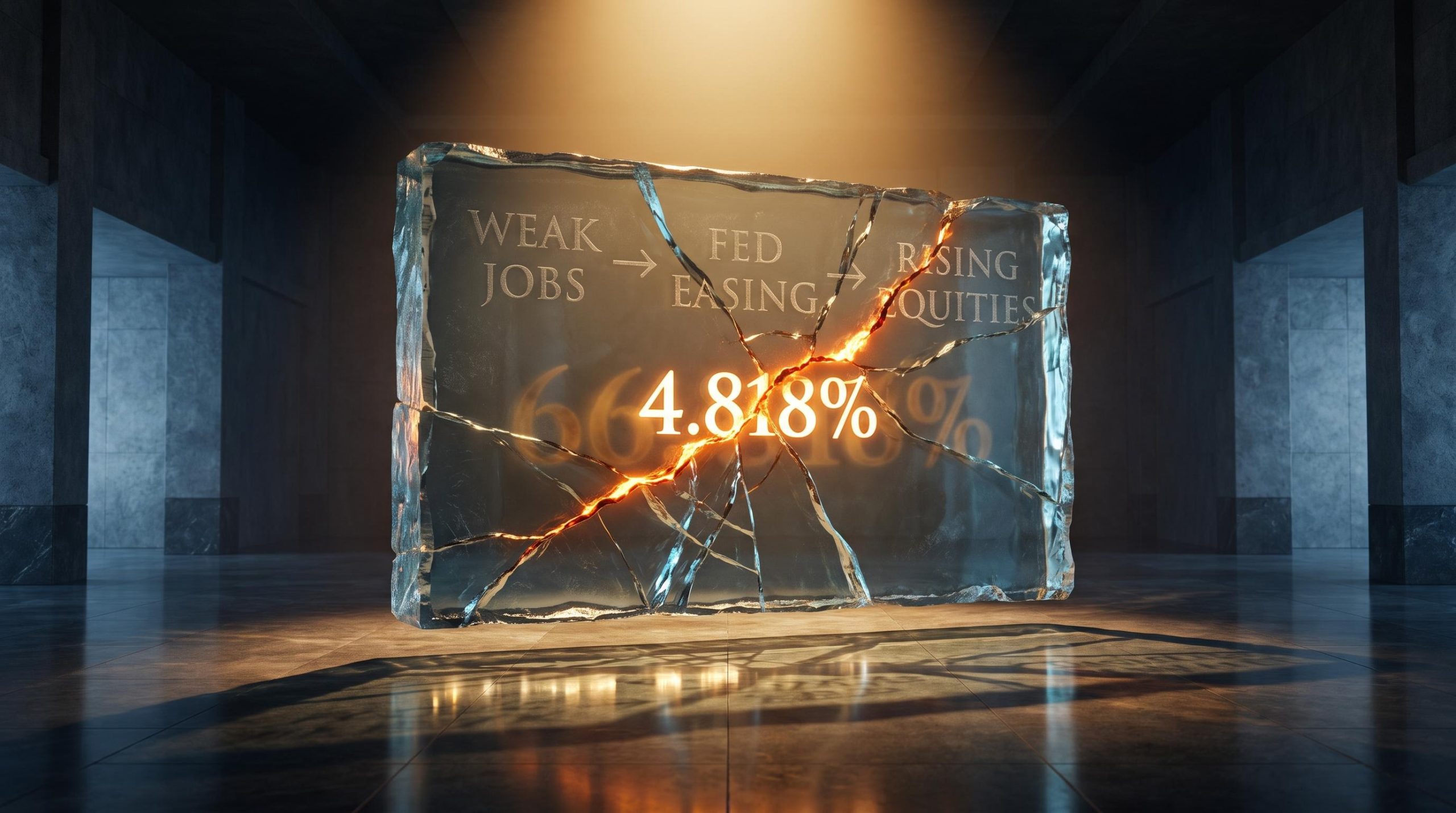
- A weak jobs report lands, signalling the economy is cooling.
- Markets lower the odds of the Fed raising rates, and raise the odds of a cut.
- Lower expected rates expand equity valuation multiples, the price investors will pay per dollar of earnings.
- Stock prices rise, even though the underlying economic news was bad.
This worked reliably through the zero-rate years for one reason above all: inflation was low. When prices are stable, the Fed can respond to a soft labour market with easing without risking a price spiral. There was no downside to being dovish, so the market could bank on it.
Your mental model, if this is the version you carry, is not naive. It was correct in its era. The mechanism is not broken everywhere or forever. It is broken specifically when inflation is elevated and the Fed has publicly committed to fighting it, which is precisely the condition the U.S. economy is in today.
When big ASX news breaks, our subscribers know first
The August ADP miss and why the market did not follow the script
Watch the two most recent episodes side by side and the breakdown reveals itself. The first fired the old trade. The second confirmed it was already fading.
The July nonfarm payrolls report, released 7 August 2026, was the clean example of the old rule working. Payrolls fell by 23,000 against expectations for an 80,000 gain, a genuine miss. That print cut the implied probability of a September hike from roughly 55% to around 40%, and equities rallied hard, with the S&P 500 rising more than 3.5% for the week.
The composition explains why the market celebrated rather than panicked. The weakness sat almost entirely in government employment, which shed 53,000 jobs, while the private sector still added 30,000. That was below the 78,000 expected, but it was not a sign the private labour market had cracked. Markets got the dovish read without the recession fear.
Then the relief evaporated. By 2 September, the odds of a September hike had climbed back to roughly 66%, higher than before the July miss ever pulled them down.
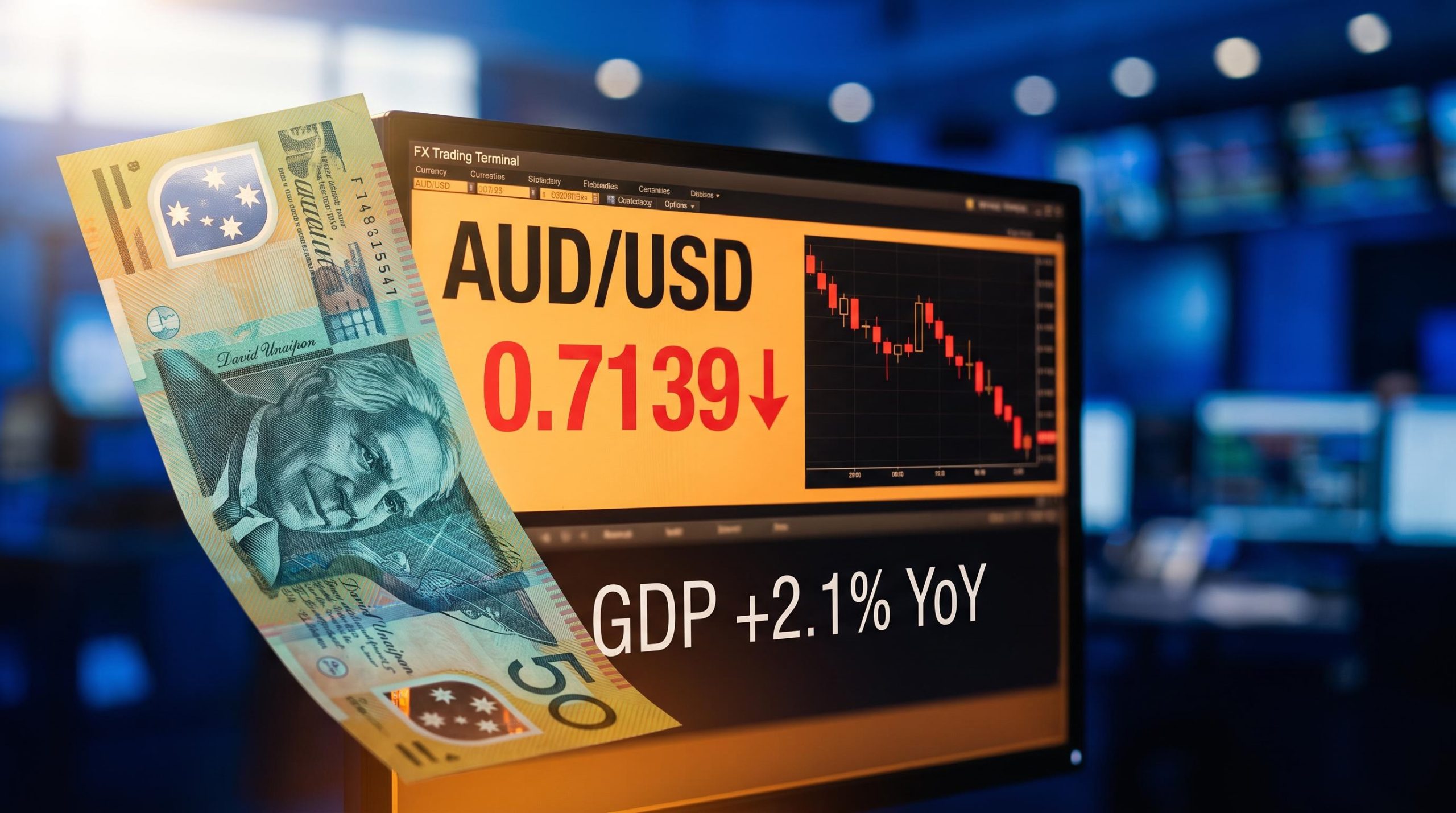
That is the context for this week’s ADP report. Private employers added just 38,000 jobs in August against a consensus of 47,000, down from a revised 46,000 the month before, and the smallest gain since January. Healthcare accounted for the bulk of the hiring, while a number of other sectors recorded net job losses.
Crucially, this was not a distorted or noisy number. It confirms the labour market is genuinely cooling. Under the old mechanism, a soft private-payrolls print on top of a weak government one should have been unambiguously dovish. Instead, hike odds sat at 66% on the day of release.
| Date | Event | Implied September hike probability |
|---|---|---|
| Early July 2026 | Baseline before hawkish repricing | ~35% |
| 7 August 2026 | After July BLS payroll miss | ~40% |
| 28 August 2026 | After Warsh comments | 57% |
| 2 September 2026 | After weak August ADP print | ~66% |
The fact that hike odds recovered to two-thirds within weeks of a payroll miss that should have been dovish tells you something structural has shifted. This is not one noisy data point. It is the market testing the old rule again and again, and finding it does not hold beyond a few trading sessions.
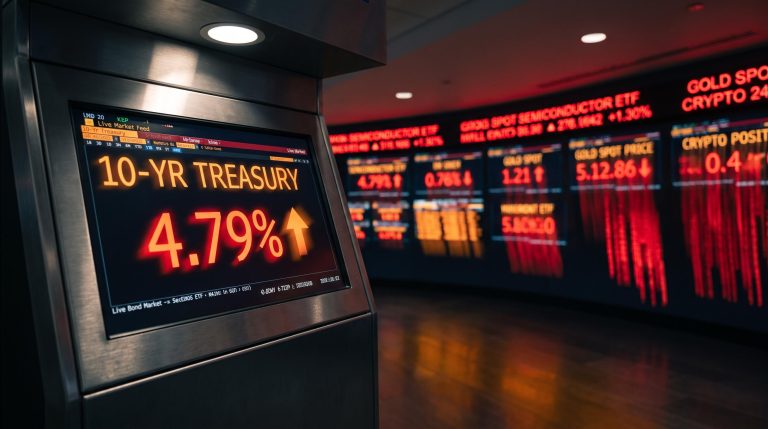
The yield that anchors the story The 10-year U.S. Treasury yield touched 4.818% intraday on 2 September 2026, a level last seen in November 2023.
Why inflation and Treasury yields are overriding the labour market signal
You have seen the pattern. Now here is the cause. The old trade is not misfiring by accident; it is being structurally overridden, and two forces are doing the overriding.
The first is the Fed itself. At the recent policy symposium last week, the Fed chair made clear that the summer’s inflation data had left him unconvinced that price pressures were on a genuine downward path. That single message anchors a hawkish baseline that is independent of the jobs data. When the person setting policy is telling you inflation, not employment, is his primary worry, a soft payroll print does not move the needle the way it used to.
The second force is the bond market, and it is arguably the more important of the two. With the 10-year yield at 4.818% and the 30-year above 5.28%, financial conditions are tightening on their own, regardless of what the FOMC decides on 16 September. Higher long-end yields raise the discount rate on future earnings, and that compresses valuations for growth and technology stocks even if the Fed never lifts its policy rate.
The New York Fed president pointed to the jump in yields as evidence of a resilient economy rather than any sign of market stress, a framing that only reinforces that these levels are not seen as a problem to be fixed.
Three structural reasons the trade has broken down:
- The Fed chair is anchored on inflation, not employment, so soft jobs data no longer implies easing.
- Long-end Treasury yields are compressing equity valuations independently of any single FOMC decision.
- Historical precedent shows this pattern is regime-specific, appearing whenever inflation credibility is at stake.
The live evidence of where the pressure sits is in the services data. The ISM Services prices paid sub-index recently stood at 70.3, a reading that shows inflation pressure is still very much present in the part of the economy that dominates U.S. activity.
When this happened before
The current setup is not unprecedented. In the 1970s stagflation era, the Fed kept tightening even as unemployment rose, because bad growth news signalled stagflation rather than a coming easing cycle. During the early 1980s Volcker disinflation, deteriorating growth did not halt the campaign against inflation, and risk assets struggled as real rates stayed high. In the 2022 rate shock, weak data points repeatedly failed to deliver lasting equity rallies because investors were focused on the terminal rate, not monthly jobs prints.
The through-line across all three is identical: persistent inflation, a central bank publicly committed to price stability, and rising real yields. The current environment shares all three features.
The takeaway reframes your mental model permanently. Equity direction right now is a function of real yields and inflation expectations, not of whether monthly payrolls beat or miss by 20,000 jobs. And because long-end yields at these levels are doing the Fed’s tightening work whether or not September delivers a hike, you should not assume a pause would immediately release the pressure on growth-stock valuations.
What to watch in Friday’s payroll report, and what to ignore
Now for the practical part. Friday’s August nonfarm payrolls report arrives with a lot of numbers, and most of the attention will land on the wrong one.
The headline payroll figure, with consensus at 58,000 following last month’s 23,000 contraction, is the least useful number for gauging September policy. Hike odds are already at 66%, and a payroll miss has not durably moved them in weeks. A soft headline might dent the odds for a session before yields pull them back up.
The number that matters is average hourly earnings. Monthly wage growth is expected to accelerate to 0.3% from 0.1%, while the annual rate is forecast to decelerate to 3.0% from 3.2%. Wages are where inflation lives on the labour side, so this is the figure the Fed actually cares about.
The unemployment rate, forecast to hold steady at 4.1%, is context rather than catalyst. It confirms the labour market is cooling, but on its own it is not enough to shift a calculus that is anchored on inflation.
| Indicator | Consensus and policy implication |
|---|---|
| Nonfarm payrolls (headline) | 58,000 vs prior -23,000. A beat or miss is unlikely to move September odds durably. |
| Average hourly earnings (MoM) | 0.3% vs prior 0.1%. An upside surprise would likely cement a September hike. |
| Average hourly earnings (YoY) | 3.0% vs prior 3.2%. Deceleration here would offer only mild relief. |
| Unemployment rate | 4.1%, unchanged. Confirms cooling but not a catalyst alone. |
The interpretive rule In a 66% probability environment, wages are the hike confirmation signal, not the headline.
If average hourly earnings print at 0.3% or above on Friday, treat a September hike as the baseline, not a tail risk. That would confirm wage-driven inflation pressure is not abating even as employment slows, which is exactly the combination the Fed has said it will not tolerate.
Two supplementary readings are worth checking before Friday. On Thursday, weekly jobless claims are expected at 205,000 against a prior 203,000, and the ISM Services employment sub-index recently sat at 47.4, another sign of labour cooling. Neither will decide September, but both add texture to the wage story.
What the broken trade means for how you position before September 16
The regime has shifted, and that shift is the durable insight to carry forward. The Fed’s reaction function has moved from labour-market-led to inflation-led. Until that reverses, weak jobs data is more likely to confirm stagflation risk than to trigger lasting easing bets.
The bear case is straightforward without being sensational. If the Fed hikes on 16 September 2026 into a visibly cooling labour market, the valuation compression driven by long-end yields will not be offset by improving earnings expectations, and growth and technology stocks would feel it most.
The part that catches most investors off guard is this: even a September pause does not release the pressure. With the 10-year at 4.818% and the 30-year above 5.28%, long-end yields keep compressing valuations regardless of the FOMC’s decision.
The question is no longer “when does the Fed ease.” It is “how long do real yields stay this restrictive,” because that is what is actually driving the equity calculus.
Friday’s wage data is the next test of whether September is confirmed or reopened. You now have the framework to read it independently.
This article is for informational purposes only and should not be considered financial advice. Investors should conduct their own research and consult with financial professionals before making investment decisions. Past performance does not guarantee future results, and financial projections are subject to market conditions and various risk factors. These statements are speculative and subject to change based on market developments.