

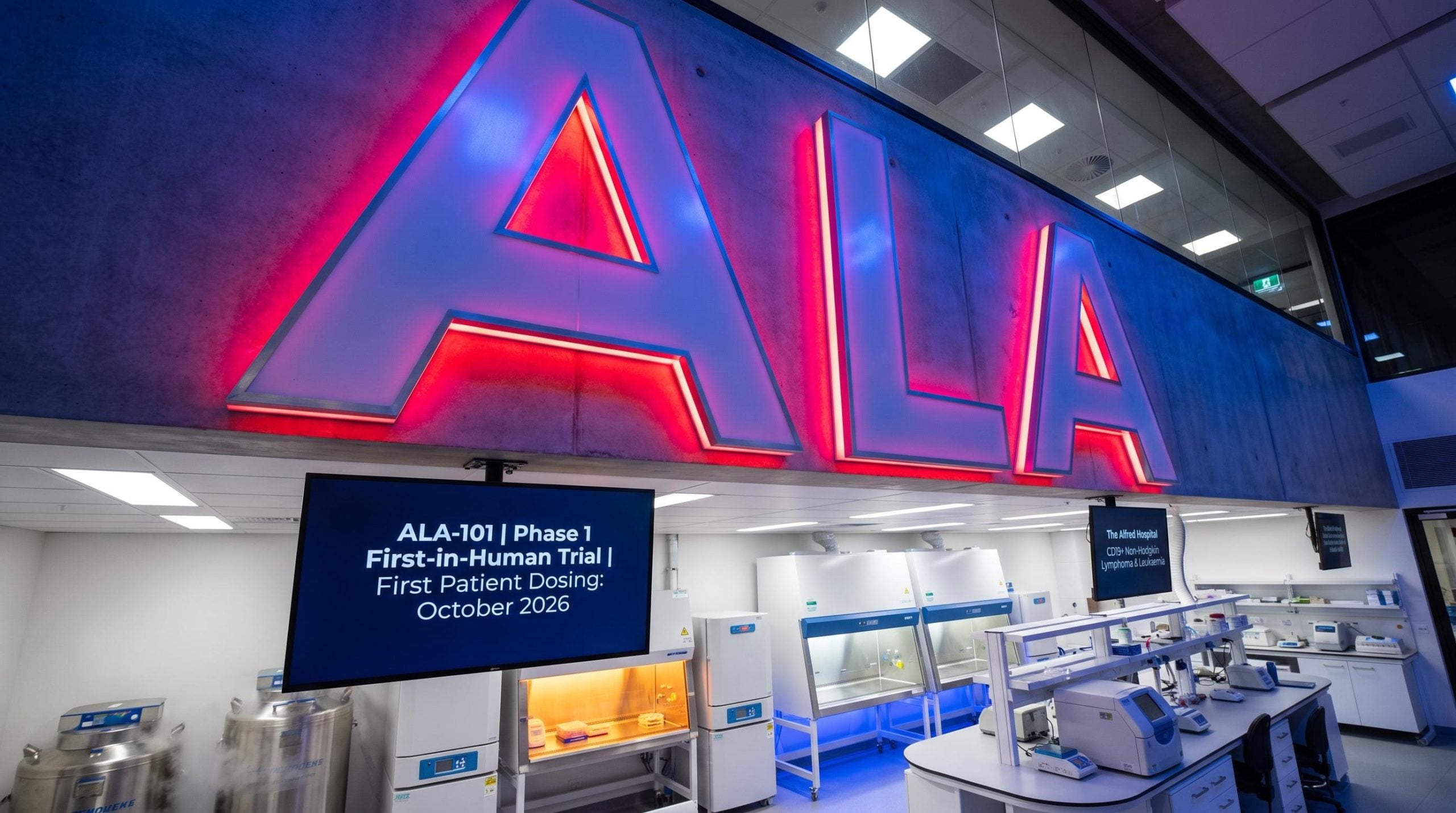
Patient screening underway as ALA-101 first dosing approaches
Arovella Therapeutics (ASX: ALA) has confirmed that patient screening is actively underway for its Phase 1 ALA-101 clinical trial, with first patient dosing expected towards the end of October 2026. The first-in-human study will evaluate ALA-101 in patients with relapsed or refractory CD19-positive non-Hodgkin lymphoma and leukaemia, conducted at The Alfred Hospital.
This marks a significant transition point for the company, moving from trial preparation into active human clinical testing.
When big ASX news breaks, our subscribers know first
Understanding the screening process — why it takes time
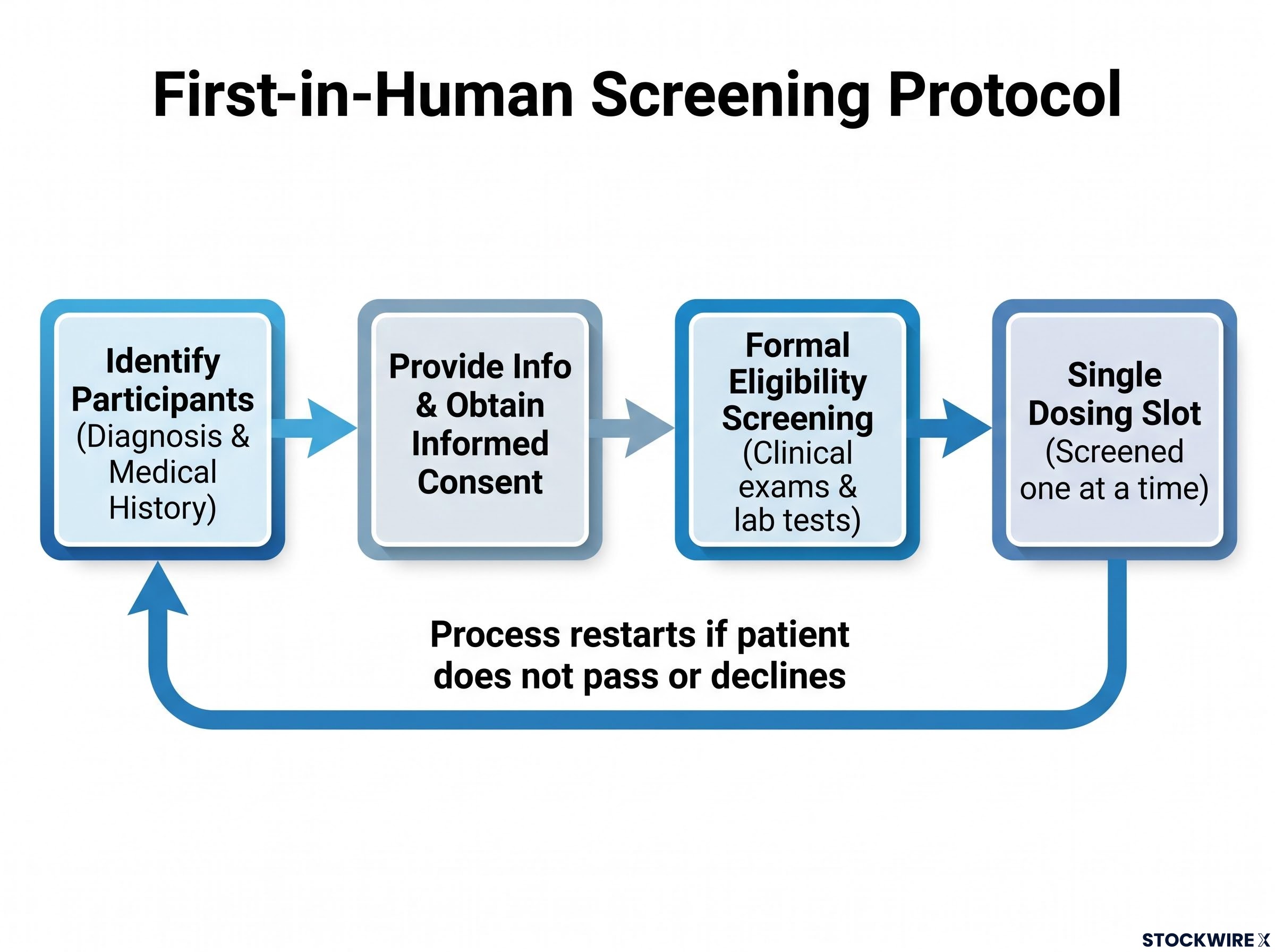
The screening process in a first-in-human cell therapy trial follows a structured, sequential protocol. Treating clinicians first identify potential participants based on diagnosis and medical history, then provide study information and obtain informed consent before formal eligibility screening begins.
Screening itself involves detailed clinical examinations and laboratory tests assessed against the trial protocol’s strict eligibility criteria. Critically, since only a single dosing slot is available at the outset, patients are screened one at a time for ethical reasons. If a patient does not pass screening or chooses not to participate, the entire identification, consent, and screening process must restart.
Arovella has been clear that the timing reflects protocol requirements, not patient demand.
Dr Nicole van der Weerden, Acting Chief Executive Officer
“The level of interest from clinicians and patients in the ALA-101 study is exciting. However, identifying patients who meet all eligibility criteria and completing the screening process is prescribed and takes time. There is no shortage of patients requiring treatment and we have everything in place to dose the first patient once eligibility is confirmed.”
What is ALA-101 and why does it matter?
ALA-101 is built on an invariant natural killer T (iNKT) cell therapy platform licensed from Imperial College London. For investors unfamiliar with the science, the key concepts are:
- iNKT cells: A specialised type of immune cell with natural cancer-fighting properties, offering a promising foundation for cell-based therapies.
- CAR19 modification: ALA-101 equips iNKT cells with a Chimeric Antigen Receptor (CAR) engineered to recognise and target CD19, an antigen found on the surface of numerous cancer types.
- Allogeneic design: ALA-101 is developed as an “off-the-shelf” therapy, meaning it is derived from a healthy donor and can be administered to any eligible patient. This removes the need for patient-specific manufacturing, a key commercial and scalability advantage over autologous approaches.
- Dual-targeting mechanism: The CAR targets CD19, while the iNKT cell’s invariant T cell receptor (iTCR) independently targets CD1d, another antigen found on the surface of several cancer types. This provides two distinct attack pathways against cancer cells.
Beyond ALA-101, the company’s pipeline includes a CLDN18.2-targeting solid tumour program licensed from Sparx Group and IL-12-TM technology intended for incorporation into its solid tumour programs. The company’s Investigational New Drug (IND) application for ALA-101 has also been accepted by the US Food and Drug Administration (FDA), establishing a clear regulatory pathway into the US market.
What first patient dosing means for investors
First-in-human dosing represents a binary catalyst rarely achieved by clinical-stage biotechs. Years of preclinical research, manufacturing development, and regulatory preparation converge at this single inflection point.
The clinical batch release of ALA-101 to regulatory standard, confirmed in September 2026, was the final manufacturing prerequisite cleared before The Alfred could be formally activated as the first trial site.
Once the first patient is dosed, the following milestones are initiated:
- Safety and tolerability data generation begins, providing the first human evidence of ALA-101’s profile.
- Emerging trial data will inform future development decisions.
With FDA IND acceptance already in place, the US clinical pathway remains open. The broader ambition underpinning this work is Arovella’s goal of treating blood cancers, solid tumours, and autoimmune disease through the iNKT platform, a programme that is now, for the first time, being tested in human patients.
Investors exploring the pipeline depth behind ALA-101 will find our full explainer on the CLDN18.2 preclinical data covers the tumour kill rates exceeding 97% in pancreatic cancer cell lines and how the IL-12-TM armouring technology sustains efficacy across serial challenge rounds.
Don’t Miss the Next ASX Healthcare Breakthrough
Big News Blast delivers FREE breaking ASX healthcare news directly to your inbox within minutes of release, complete with in-depth analysis already done for you. Over 20,000 active subscribers rely on it to stay ahead of market-moving announcements. Click the “Free Alerts” button at StockWire X to get the next catalyst the moment it drops.