In the space of seven trading days, the yen appreciated roughly 4.5% against the dollar, briefly touching its strongest level since February 2026, and it did so without a single yen of official intervention from the Japanese Ministry of Finance. The move was entirely market-driven, which makes it more important to understand, not less.
The catalyst was a rapid repricing of Bank of Japan (BoJ) rate hike expectations. In early September 2026, the probability of a 25-basis-point BoJ hike at the 17-18 September meeting surged from 52% a month earlier to 98% within days, triggering a cascade of carry trade unwinds, repatriation flow bets, and broad dollar selling that pushed USD/JPY from above 160 earlier in the summer to roughly 153.5, while the US Dollar Index slipped to near two-week lows around 98.95.
This piece unpacks why a shift in BoJ expectations can produce moves of this magnitude so fast, what the durability debate actually turns on, and which spillover risks in global FX and credit markets the yen’s surge has now set in motion. Here is what currency market participants and global macro observers need to weigh before the meeting.
How the BoJ repricing became a yen catalyst at this scale
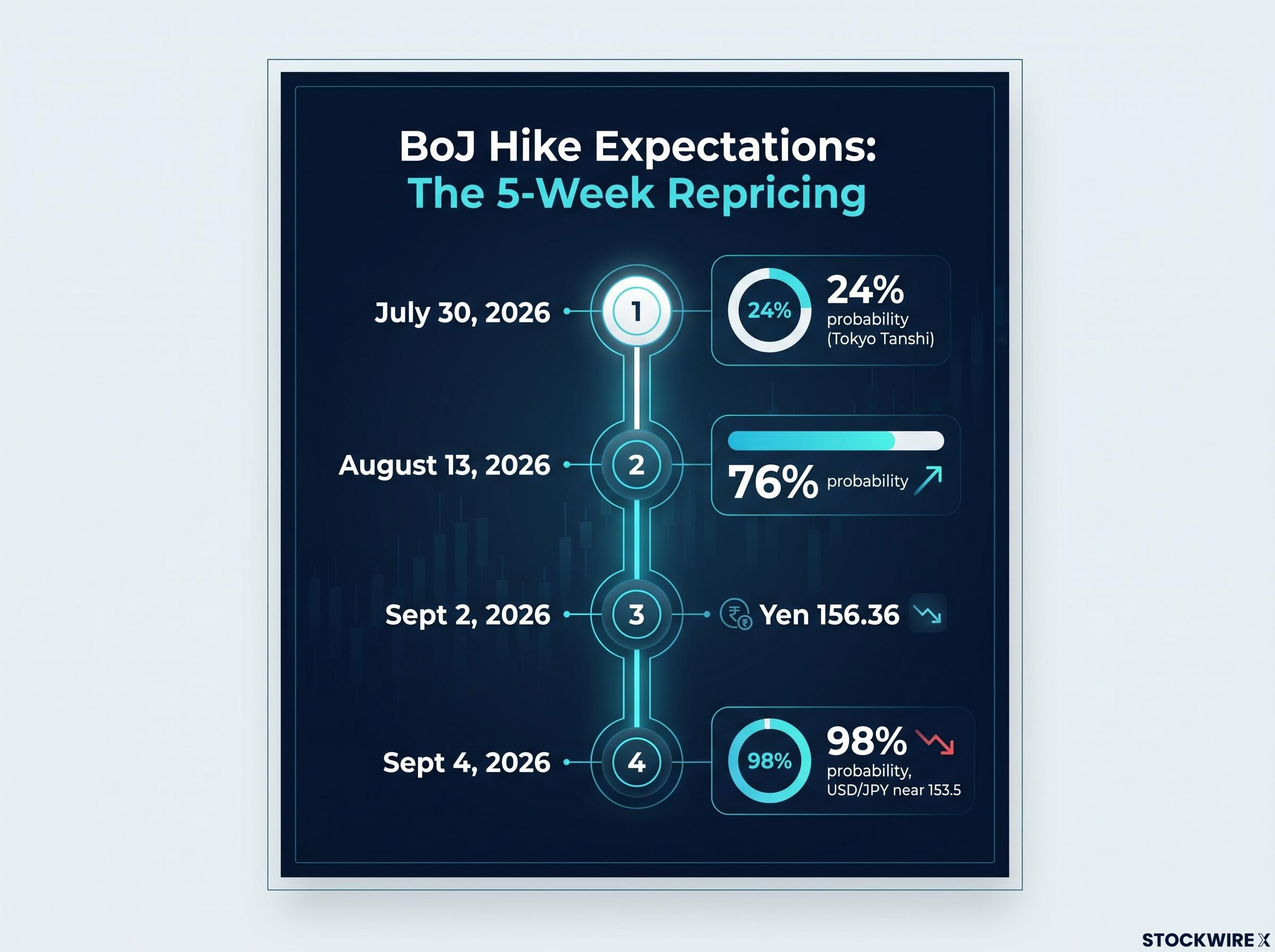
The number that matters is the speed of the repricing, not just its direction. On 30 July 2026, Tokyo Tanshi swap data put the probability of a September BoJ hike at just 24%. By 4 September, that figure had reached 98%. Five weeks, a 74-percentage-point swing, and a currency that moved hundreds of pips as a direct result.
That compression did not happen in a straight line. The BoJ set it up on 31 July, holding its short-term rate at 1% but warning for the first time that underlying inflation could push above its 2% target, signalling that upside price risks were now the focus. By 13 August, Tokyo Tanshi data showed a 76% probability, and mid-August Reuters sourcing put the market near 80%.
The July hold decision was itself a signal rather than a pause: Hajime Takata’s named dissent in favour of an immediate move to 1.25% compressed the perceived distance to the next hike and introduced the energy-subsidy distortion that complicated the BoJ’s inflation read through August.
The decisive acceleration came in September. On 2 September, BoJ board member Hajime Takata said the central bank should move on rate hikes “nimbly” rather than sticking to its expected twice-a-year cadence. The yen jumped almost 1.5% intraday to a high of 156.36 per dollar on the back of it.
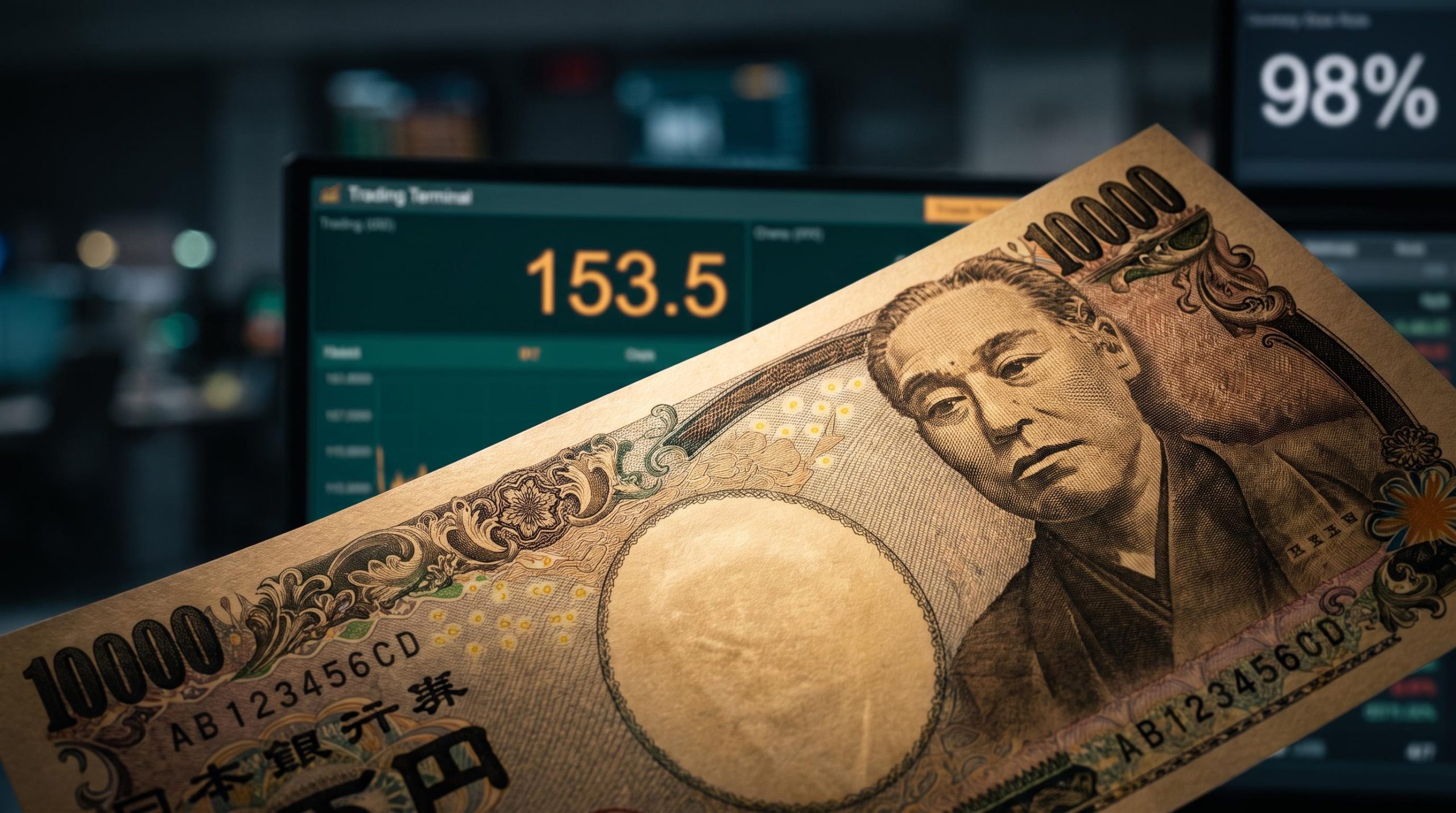
The following session extended the move. On 3 September, the yen gained more than 2% in a single day, reaching 155.28, its strongest in a month, with Reuters pricing the September hike at 75%. By 4 September, that figure had climbed to 97% in Reuters framing and 98% on Tokyo Tanshi swaps, with USD/JPY down near 153.5.
Then the story changed shape. On 7 September, Takuji Aida, an economic adviser to Prime Minister Sanae Takaichi, projected that the BoJ would hike in September and then once every quarter through January 2027. That turned a single-event trade into a sustained-tightening narrative, with a 1.5% policy rate fully priced by January.
The read for you here is straightforward. A probability compression from 24% to 98% in five weeks is not a gradual recalibration; it is a forced, abrupt repositioning, and that is precisely why the yen moved so fast and so far.
When macro data joined the policy signal
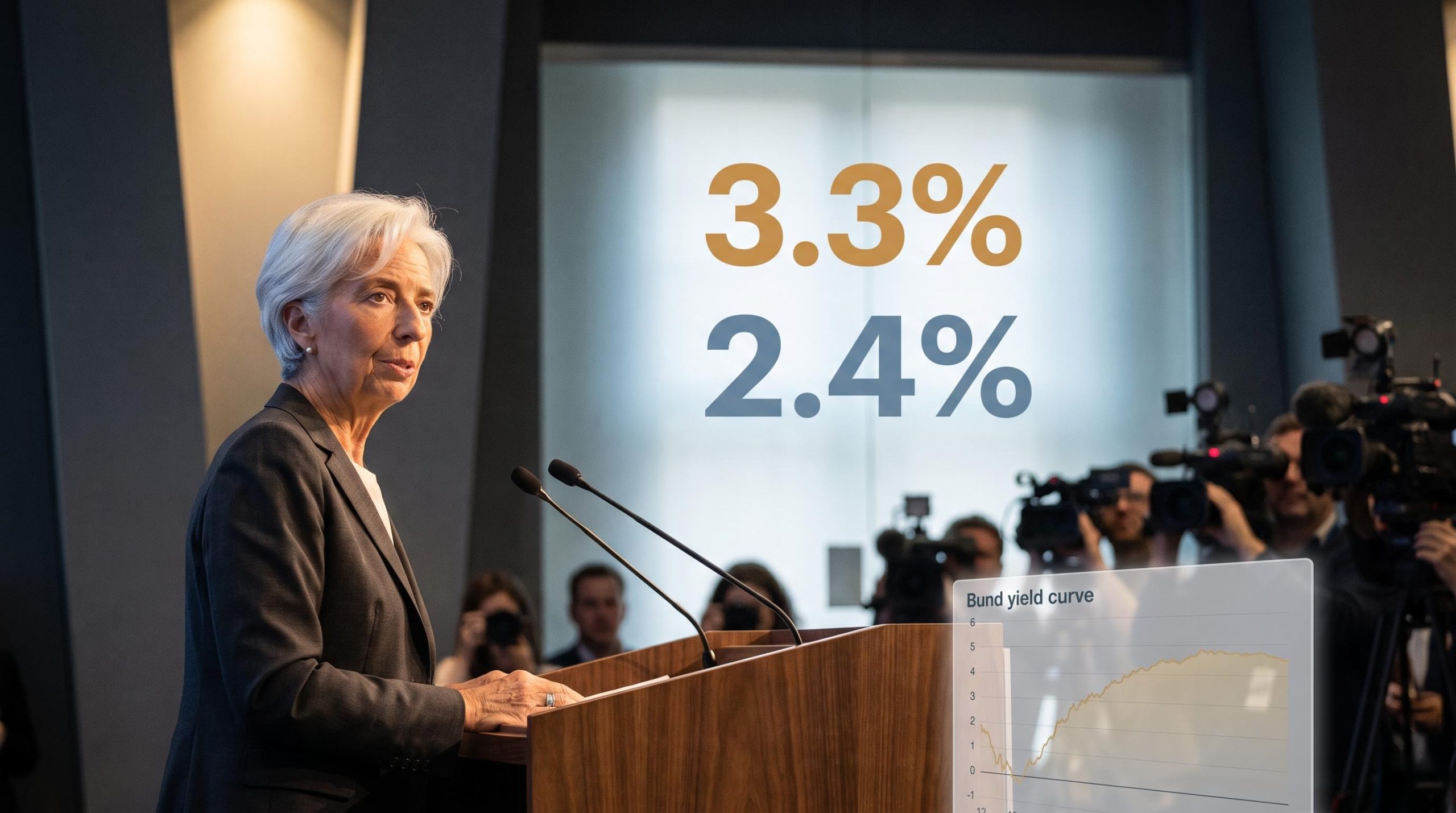
Policy signals move markets, but data anchors them. On 8 September, Japan confirmed an upward revision to second-quarter GDP alongside a 2.4% rise in real wages in July, and that combination converted a positioning story into a fundamentally grounded one.
Wages are the specific variable here. The BoJ has repeatedly cited sustained wage growth as the prerequisite for inflation to hold durably above 2%, so a firm real wage print does more than pad the case. It removes one of the central bank’s own stated reasons to hesitate, which is why the data reinforced hike pricing rather than merely coinciding with it.
When big ASX news breaks, our subscribers know first
Why BoJ rate expectations move the yen this hard and this fast
To understand the scale of the move, you have to understand what the yen is structurally. For years it has functioned as a global funding currency, the cheap capital that investors borrow to buy higher-yielding assets elsewhere. When BoJ expectations shift, they do not just dent the appeal of that trade. They pull at the foundation of a leveraged system.
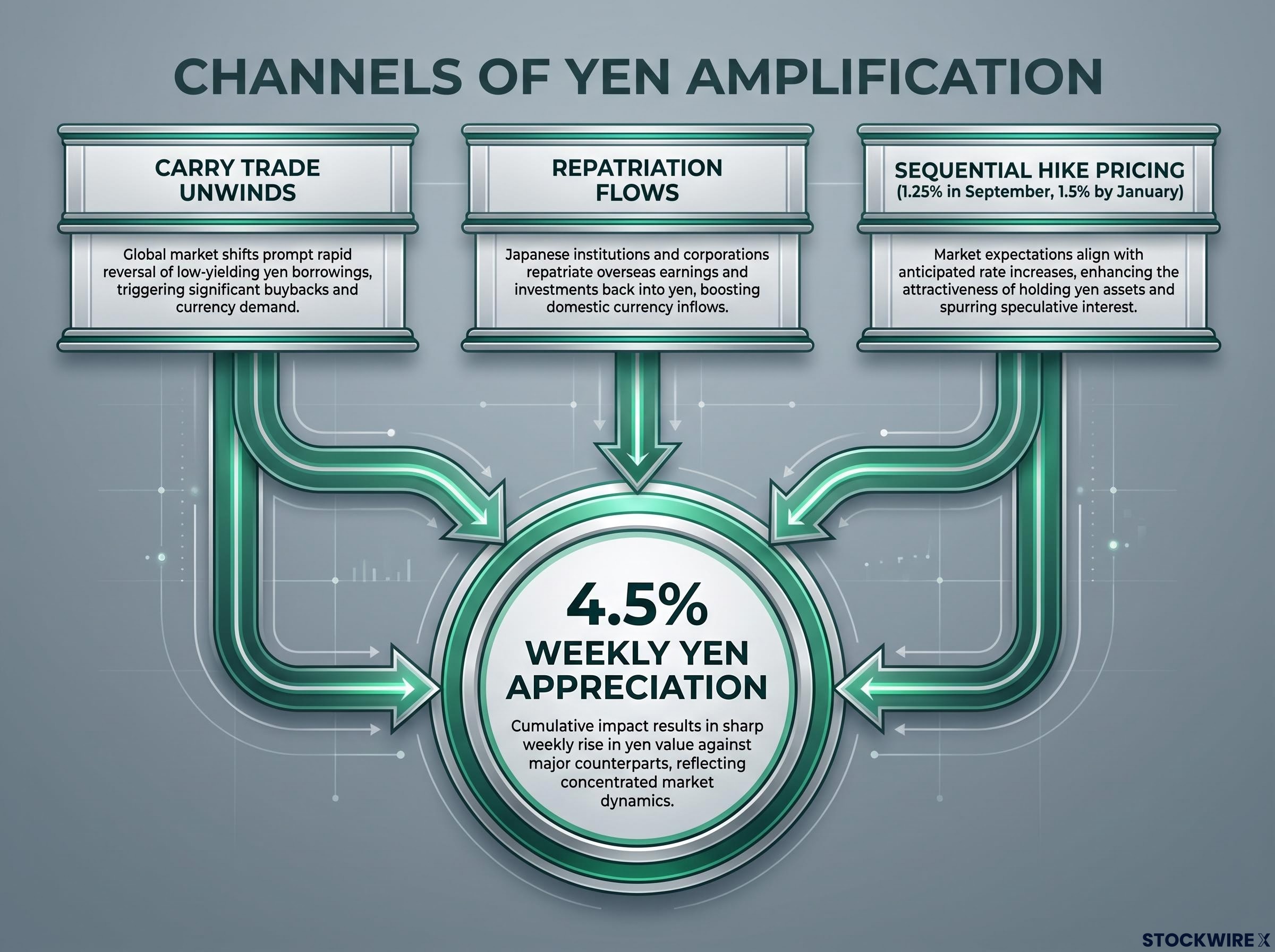
The move amplified through three distinct channels, each feeding the next.
- Carry trade unwinds. Higher expected BoJ rates narrow the yield gap between yen and higher-yielding currencies. That makes short-yen carry positions less attractive, and because those positions are leveraged, stop-losses and margin calls force rapid, self-reinforcing unwinds rather than an orderly exit.
- Repatriation flows. Rising domestic rates lift the expected return on Japanese assets, which encourages Japanese institutional investors to sell foreign holdings and bring capital home. That adds structural yen demand on top of speculative short-covering, and Reuters coverage on 7 September flagged growing bets on exactly this dynamic.
- Sequential hike pricing. By 4 September, the market was no longer reacting to one meeting. It was repricing an entire multi-step tightening path, a September move to 1.25% plus follow-throughs toward 1.5% by January, which shifts the risk-reward of every yen-funded position at once.
The hike probability jump from 52% to 97% in a single month, in Reuters’ framing, is the trigger. The 4.5% weekly yen appreciation is what the amplification produced.
The shift in BoJ communication framework is as consequential as the rate decision itself: Deputy Governor Himino’s declaration that the central bank does not need complete information before acting structurally lowered the threshold for future moves, turning every scheduled policy date into a genuine live event for carry traders.
The yen surged roughly 4.5% in a week to near a seven-month peak ahead of the expected BoJ hike, according to Reuters on 8 September 2026.
The broader summer context makes the scale concrete: USD/JPY fell from above 160 to around 153.5, a decline of roughly 3.30% month-to-date by early September. That is not a rounding error in a major currency pair; it is a repricing of one of the world’s most heavily used funding trades.
The practical point for you is about where the risk actually sits. If you hold any yen-funded position, or any asset class that has quietly benefited from yen-funded capital flows, the repatriation and carry unwind channels mean your exposure is not confined to USD/JPY itself. The transmission runs wider than the pair.
Is the yen’s strength durable, or has the rally run its course?
Here the analysts split, and the split is genuine rather than cosmetic. Both cases rest on real evidence, and where you land depends on which variable you choose to watch.
The bullish case for durability is fundamental, not just positional. Near-certainty pricing of a September hike reflects broad consensus that a move is coming. Aida’s projected quarterly hiking path points to a sustained campaign rather than a one-off. And the macro backdrop, the GDP revision and 2.4% wage growth, gives the tightening a grounding beyond speculative flows.
The skeptical case, articulated by FXStreet, turns that strength into a ceiling. If much of the tightening path is already priced, then the yen’s next leg higher requires the BoJ to outdeliver relative to current expectations, and that is constrained by Governor Kazuo Ueda‘s cautious leadership style. A 50-basis-point hike, which markets briefly contemplated, is deemed extremely unlikely under Ueda.
| Bullish case for durability | Skeptical case for a stall |
|---|---|
| September hike priced at 97-98%, reflecting broad consensus | Much of the tightening path is already priced, capping further upside |
| Aida projects quarterly hikes through January 2027 | Yen needs the BoJ to outdeliver expectations to move higher |
| GDP revision and 2.4% wage growth ground the case fundamentally | Ueda’s caution makes a 50bp hike extremely unlikely |
The question that decides this is not whether the BoJ hikes in September; that appears settled. It is whether Ueda signals a pace of subsequent moves that exceeds, matches, or disappoints the quarterly trajectory the market has already priced.
The Fed-BoJ interaction and dollar weakness as a co-driver
There is a second actor in this move, and ignoring it would misread the pair. USD/JPY weakness is partly a dollar story, not purely a yen story.
On 3 September, comments from Fed Governor Waller contributed to a simultaneous dollar slip, with the US Dollar Index near 98.95 and down roughly 0.20% on the day. The yen’s more than 2% jump coincided with that softening, illustrating that both sides of the pair were moving at once.
That matters for how you frame the risk. Strong US inflation data or renewed Fed hawkishness could re-widen yield differentials and cap or even reverse yen gains, potentially after a BoJ hike has already landed. A yen view held in isolation from the Fed is an incomplete one.
Spillovers beyond USD/JPY: what markets are now watching
Zoom out from the pair, and the yen rally stops looking like a bilateral exchange rate story. Its effects are already propagating through carry trades, global FX, and risk assets in ways that reach well beyond Japan.
Three transmission channels are worth watching, in order of how directly they are already firing.
- Carry trade unwinds. High-yielding currencies across both G10 and emerging markets, funded for years by cheap yen borrowing, are directly exposed to systematic deleveraging as the yen strengthens. The risk is proportional to how much carry positioning has accumulated, and the more crowded the trade, the sharper the potential correction.
- Repatriation flows. As BoJ rates rise, the expected return on Japanese domestic assets climbs, incentivising Japanese institutions to sell foreign bonds and equities. That puts potential pressure on global asset prices, most acutely in markets where Japanese investors hold outsized positions.
- Intervention reversal. The early-September surge occurred without Ministry of Finance action, confirmed by BoJ data cited by EBC on 4 September. But a disorderly or accelerating rally raises the odds that authorities intervene again, and intervention would introduce sudden reversal risk in the other direction.
Carry trade unwind risk is real but episodic rather than systemic: the 2024 episode, often described at peak fear as the largest unwind in history, cleared 40-60% of speculative positioning within weeks without producing the cascading structural breakdown in global equity markets that headline coverage implied.
The yen’s sudden surge upset the carry trade faithful, with the currency up about 4.5% in a week ahead of the expected BoJ hike, according to Reuters on 8 September 2026.
That “carry trade faithful” framing captures the human dimension of the unwind. These are investors who built positions on the assumption that cheap yen funding was a durable feature of the market, and a 4.5% weekly move forces a reassessment they did not plan for.
The interpretation for you is a matter of scope. If you hold exposure to emerging market currencies, high-yield credit, or any asset funded by yen carry, the September BoJ meeting is not a local Japan policy event. It is a potential trigger for broader market repricing, with defined channels through which the shock can travel.
What the September BoJ meeting actually settles, and what it does not
The 17-18 September meeting will resolve one question and open a harder one. A 25-basis-point move to 1.25% is the near-certain base case, priced at 97-98%, so the hike itself is close to settled. That means the outcome that moves the yen next lives not in the decision but in the statement and Ueda’s press conference.
The specific variable to watch is forward guidance on pace. Aida’s projection of a quarterly hiking path through January 2027, with a 1.5% rate already fully priced by Tokyo Tanshi swaps, is the benchmark the market will measure Ueda against. The question is whether his tone matches, exceeds, or falls short of that trajectory.
Ueda’s post-decision communication carries asymmetric risk: Scotiabank strategists identify the BoJ’s language on the 2027 rate path, not the headline hike, as the primary pricing catalyst, and cautious meeting-by-meeting framing could trigger a yen selloff even if the 25-basis-point move is delivered exactly as priced.
Two scenarios frame the post-meeting path:
- Ueda confirms a quarterly pace. The yen’s fundamental support strengthens, carry trades face further pressure, and USD/JPY has room to extend lower.
- Ueda reverts to cautious, meeting-by-meeting language. The rally may stall, and USD/JPY could stage a relief bounce as over-positioned yen longs unwind.
For anyone evaluating USD/JPY positions into the meeting, the directional move is not about whether the hike happens. It is about the first few minutes after Ueda opens his mouth at the press conference, because his characteristic caution is exactly what makes a 50-basis-point move, or an unambiguously aggressive signal, so unlikely.
This article is for informational purposes only and should not be considered financial advice. Investors should conduct their own research and consult with financial professionals before making investment decisions.
Past performance does not guarantee future results. Financial projections are subject to market conditions and various risk factors, and these forward-looking statements are speculative and subject to change based on market developments and central bank policy.