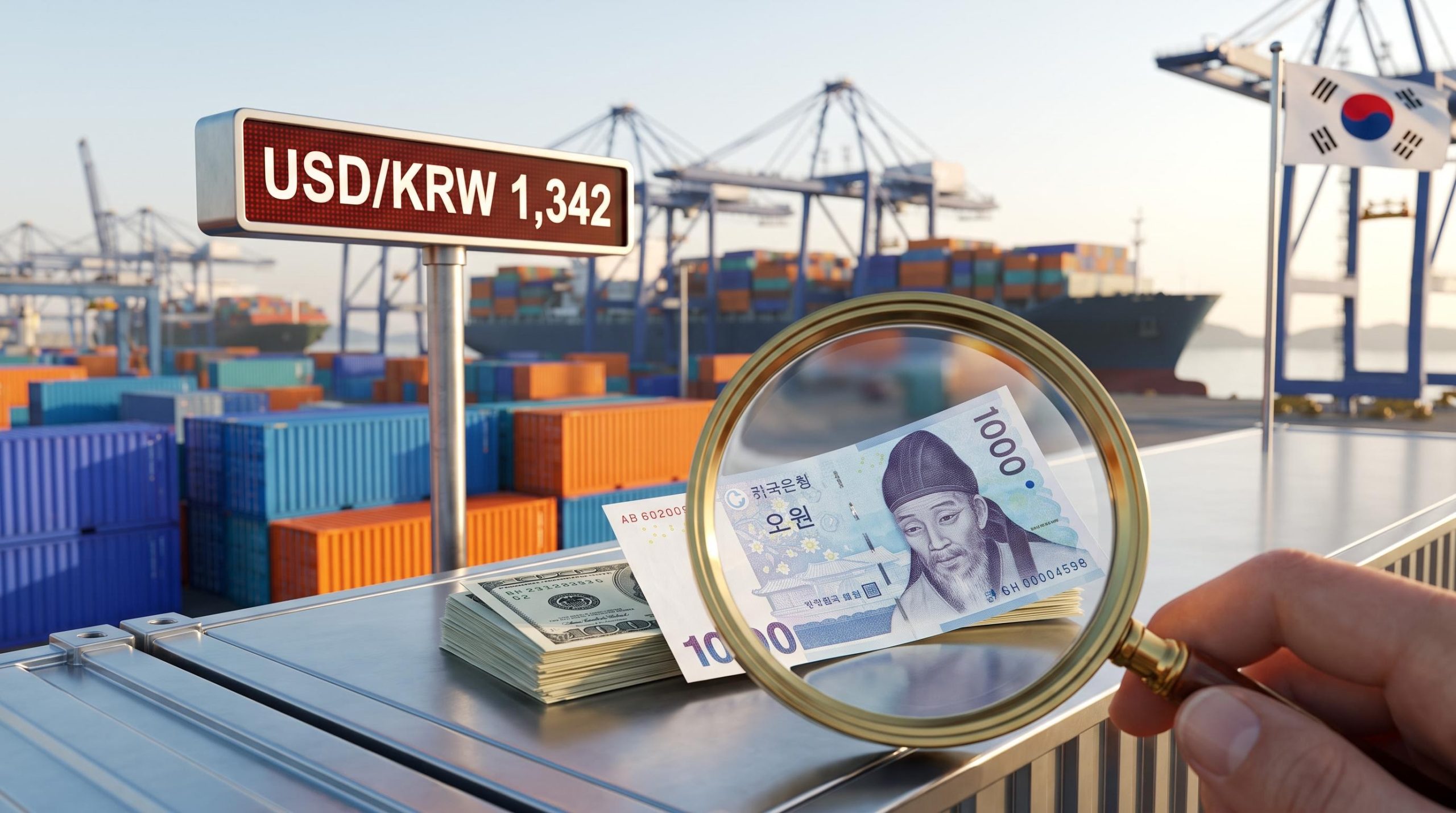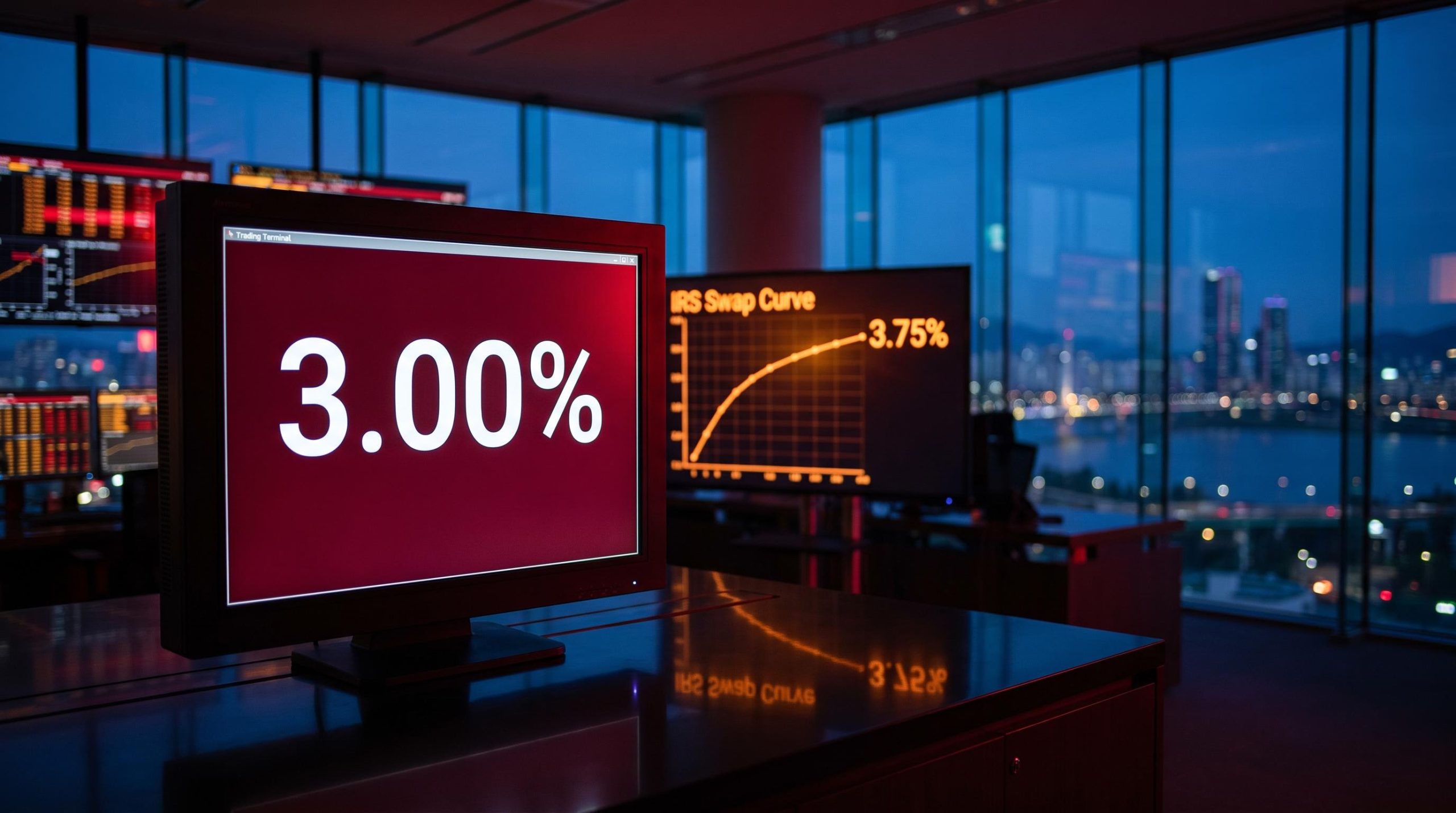
The Bank of Korea moved its benchmark rate up by 25 basis points to 3.00% on 27 August 2026, marking back-to-back tightening in a decision that aligned with the expectations of 14 of the 22 analysts Bloomberg had surveyed ahead of the meeting. The headline was expected. What came with it was not.
Beneath the tightening, the monetary policy board stripped its statement of explicit commitments to further rate increases, replacing a hawkish roadmap with a conditional, data-dependent framework. The rate went up; the forward guidance softened.
That tension matters because interest rate swap markets are pricing a substantially more aggressive path than the central bank’s own committee projections. One side of that trade is wrong, and the resolution will move Korean fixed income, the won, and the broader Asian rates complex. Here is where the disconnect sits and what it tells you about where Korean monetary policy is actually heading.
The disconnect between swap markets and committee projections
The gap between what the market expects and what policymakers are signalling is wide enough to build a trade around.
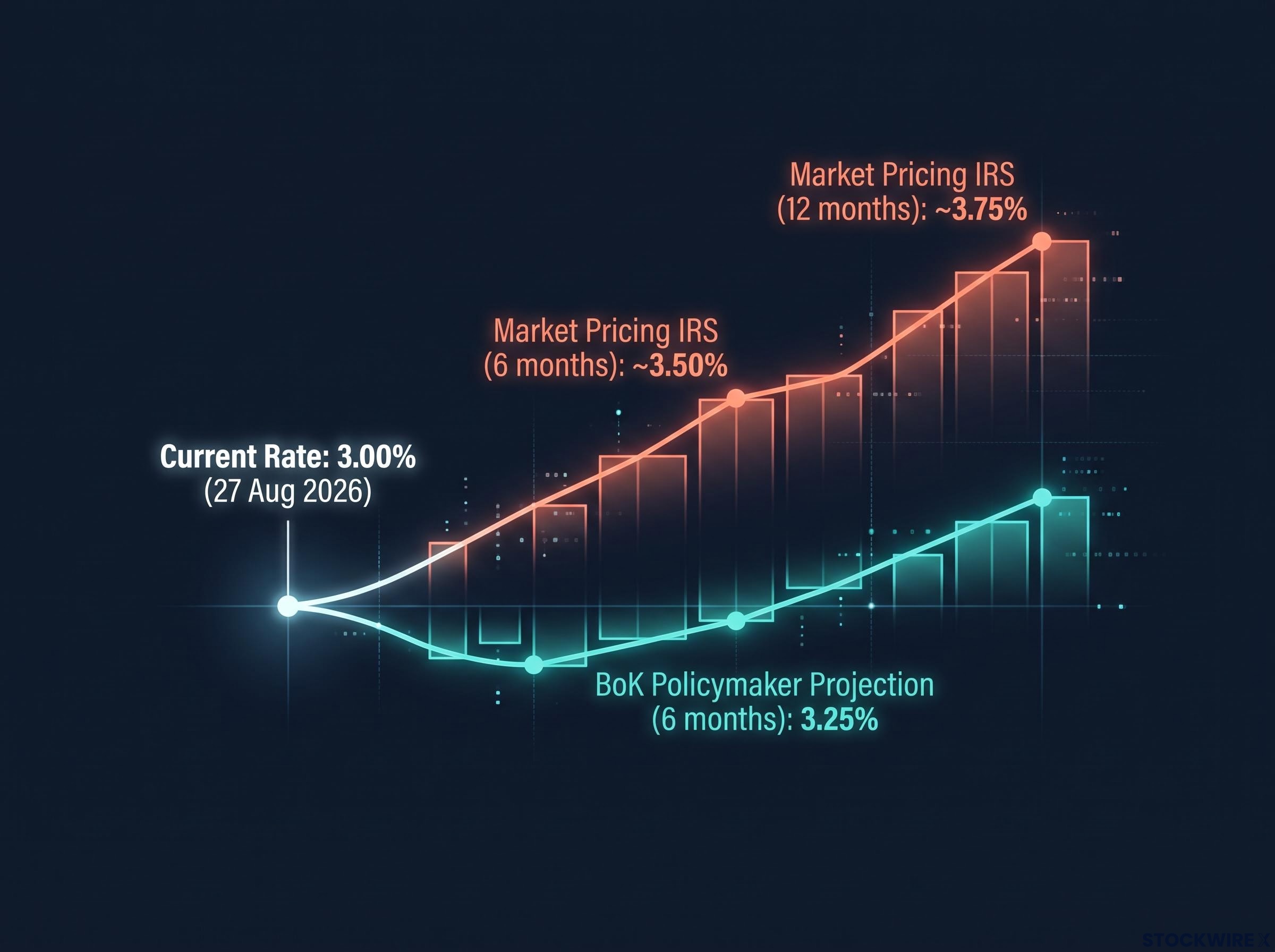
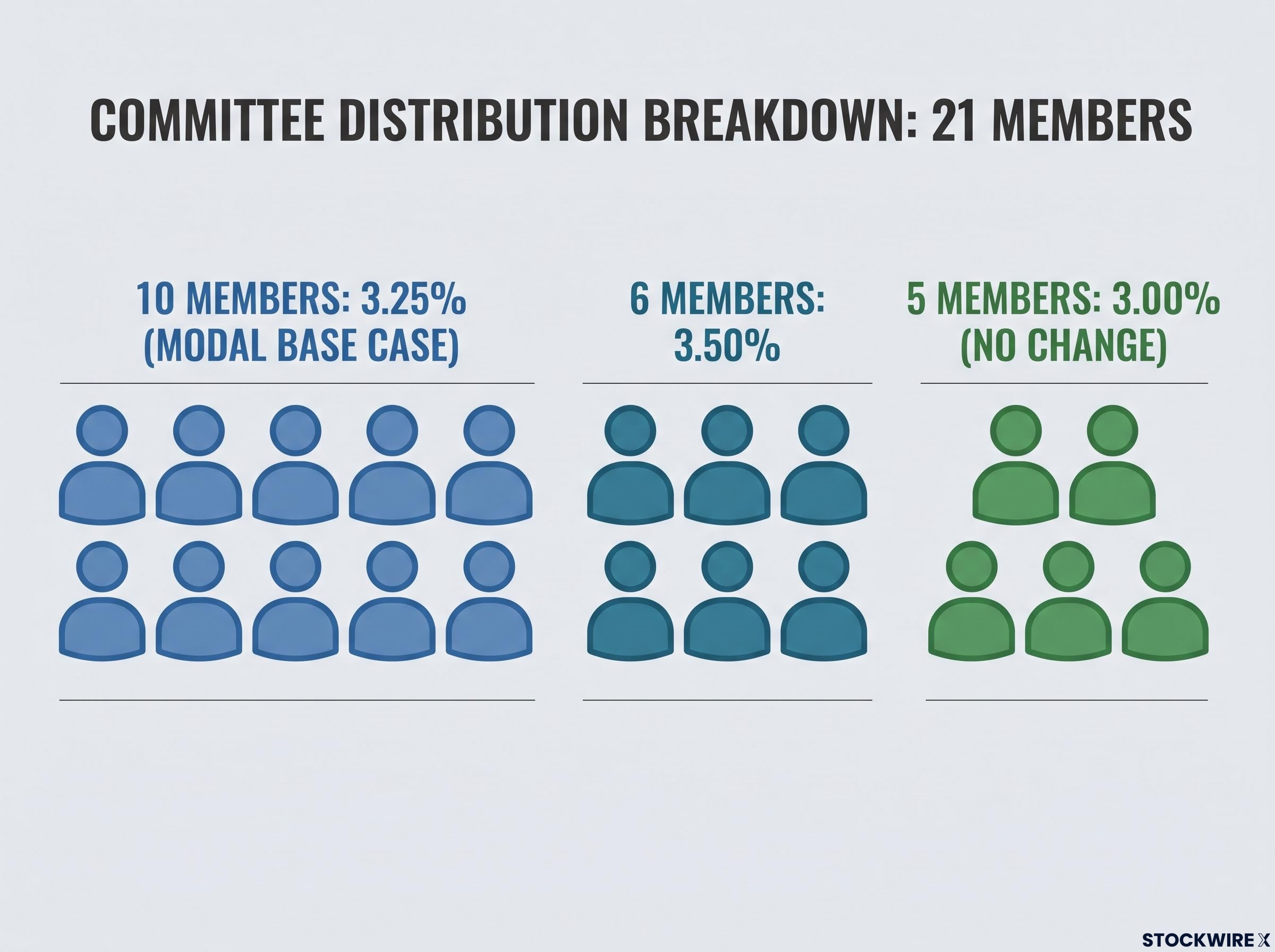
Start with the committee itself. When Bank of Korea board members submitted their six-month conditional rate projections, the distribution broke down as follows: ten placed the rate at 3.25%, six at 3.50%, and five saw no change from the current 3.00%. The modal base case is 3.25%: one more standard 25 basis point hike, then a pause.
Interest rate swap (IRS) markets, the contracts professional investors use to bet on where rates are heading, tell a different story entirely. For the six-month horizon, IRS contracts point to a rate of around 3.50%, which already sits at the outer boundary of what policymakers project. Looking twelve months out, the swaps curve extends to roughly 3.75%, a level consistent with two further hikes on top of today’s move.
| Time Horizon | Market Pricing (IRS) | BoK Policymaker Projections |
|---|---|---|
| 6 months | ~3.50% | 3.25% (modal, 10 of 21 members) |
| 12 months | ~3.75% | Not specified beyond 6-month horizon |
The swap market is pricing in two additional hikes where the committee is signalling just one. That is not a minor calibration difference. It is a directional disagreement about the policy path. If the central bank is right, swap markets are overpriced and rates will disappoint the hawks. If the market is right, the committee’s projections are behind the curve.
For anyone positioned in Korean fixed income or exposed to won-denominated assets, that divergence creates a volatility event waiting for a catalyst. It tells you someone is going to be wrong, and the next two inflation prints will likely determine who.
Erasing the hiking bias from official guidance
The rate hike grabbed the headlines. The language shift is what rates strategists will study.
In previous statements, the Bank of Korea had anchored its communications around explicit commitments to further tightening, language that gave markets a clear directional steer. The August statement removed that anchor entirely, replacing it with a conditional, data-dependent framework. The central bank is no longer telling you where rates are going. It is telling you it will decide when it sees the data.
The Bank of Korea’s August statement shifted from explicit forward hiking commitments to a conditional, data-dependent framework, removing the directional steer that had anchored previous communications.
That is a deliberate dovish pivot dressed in the clothing of a rate hike. The board raised the rate by 25 basis points and simultaneously raised the bar for the next increase. Rather than locking into a pre-determined path, policymakers bought themselves optionality.
What this signals to you is straightforward: the threshold for the next rate increase is now substantially higher than it was at the previous meeting. Fresh inflationary shocks, a sharp deterioration in the won, or a material shift in global risk conditions would be required to trigger further action. Absent those catalysts, the bias has shifted toward patience.
That reframing changes how you should read every Korean economic data release from here. Inflation prints and currency moves are no longer confirming an expected path. They are the deciding inputs for whether the path continues at all.
The structural brakes on further tightening
Even if inflation stays stubborn, the Bank of Korea faces structural constraints that limit how far it can push rates. Four variables will determine whether the committee delivers even the one additional hike its modal projection implies.
- Domestic CPI trajectory: This is the primary gauge. If inflation decelerates toward the bank’s target range, the case for further tightening weakens rapidly. If it reaccelerates, the committee’s hand is forced regardless of other concerns.
- KRW/USD currency dynamics: A weaker won against the US dollar imports inflation through higher energy and commodity costs. Currency pressure can compel rate hikes even when the domestic economy argues against them.
- Global risk environment: Tightening fatigue among major central banks, particularly the US Federal Reserve, constrains the Bank of Korea’s willingness to hike in isolation. Unilateral tightening widens rate differentials but risks destabilising capital flows.
- South Korea’s elevated household debt: This is the structural ceiling on the hiking cycle. Korean households carry one of the highest debt burdens among developed economies. Every rate increase tightens financial conditions on heavily leveraged borrowers, and at some point, financial stability risks override inflation concerns.
Understanding that household debt constraint gives you the context for why policymakers might be forced to stop hiking even if the won remains under pressure from a strong US dollar. The central bank is not just fighting inflation. It is balancing inflation against the risk of triggering a credit stress event in a highly leveraged consumer economy.
Defining the triggers for the next policy move
The Bank of Korea has shifted from a hiking programme to a watching brief, and the swap market has not caught up. The modal policymaker projection of 3.25% leaves room for just one more standard adjustment before hitting the committee’s own self-imposed ceiling. Swap markets, priced at 3.75% over twelve months, are betting on three hikes from where the rate sat before today’s decision.
The tiebreakers are specific: the next two CPI prints and any material move in the KRW/USD pair. If inflation softens and the won stabilises, the gap between market pricing and committee guidance will close from the market side, repricing Korean fixed income in the process. If inflation surprises to the upside, the committee’s data-dependent framework gives it room to act, but its household debt constraint means that room is limited.
This article is for informational purposes only and should not be considered financial advice. Investors should conduct their own research and consult with financial professionals before making investment decisions. Forward-looking statements regarding the Bank of Korea’s policy path are speculative and subject to change based on incoming economic data and market developments.