
Imugene’s Off-the-Shelf CAR T Therapy Hits 81% Response in Blood Cancers
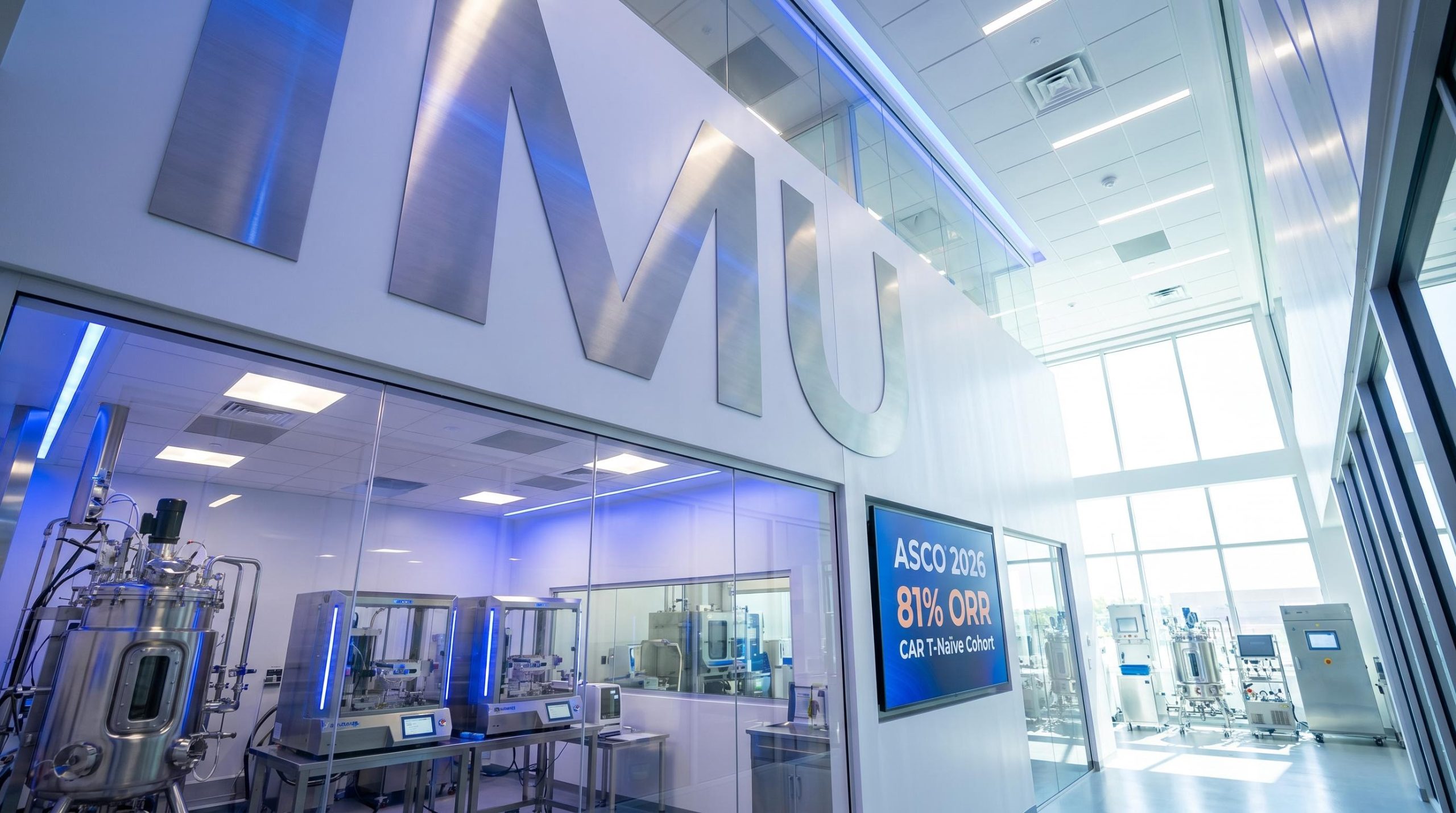
Imugene reports 81% response rate for azer-cel in ASCO 2026 abstract
Imugene Limited has released clinical data for its allogeneic CAR T therapy, azer-cel, reporting an 81% overall response rate among 16 evaluable patients in the CAR T-naïve cohort of its ongoing Phase 1b basket study. The abstract, published on asco.org as Abstract #7012, follows the lifting of the ASCO 2026 conference embargo and covers multiple CD19-positive B-cell malignancies.
Dr Supriya Gupta from the University of Minnesota will present updated data from the study during an oral session on 29 May 2026 at 1:00 PM CDT in Chicago. The presentation will feature a maturing dataset beyond the abstract cut-off and is expected to attract international attention from oncology specialists, potential pharmaceutical partners, and investors.
The Phase 1b study enrolled patients with relapsed or refractory blood cancers who received azer-cel in combination with low-dose IL-2. At the time of the data cut, 19 patients had been treated, with 16 patients evaluable for response following their first disease assessment at Day 28. The cohort had a median age of 59 years (range 56–73) and included heavily pre-treated individuals, some of whom had received prior therapies including bispecific antibodies and autologous stem cell transplant.
For investors, this represents Imugene’s first major ASCO data readout for azer-cel and validates the clinical strategy for its off-the-shelf allogeneic CAR T platform. High response rates in heavily pre-treated patients across multiple blood cancer types support the basket study approach and a potential multi-indication development pathway.
When big ASX news breaks, our subscribers know first
Response rates across lymphoma and leukaemia subtypes
The study demonstrated activity across six different B-cell malignancy subtypes, with particularly strong signals in marginal zone lymphoma (MZL), chronic lymphocytic leukaemia (CLL), follicular lymphoma (FL), and Waldenström macroglobulinemia (WM).
| Cancer Subtype | Evaluable Patients | Response Rate | Complete Responses | Partial Responses |
|---|---|---|---|---|
| Diffuse Large B-Cell Lymphoma (DLBCL) | 5 | 60% | 1 | 2 |
| Marginal Zone Lymphoma (MZL) | 4 | 100% | 3 | 1 |
| Chronic Lymphocytic Leukaemia (CLL) | 3 | 100% | 0 | 3 |
| Primary CNS Lymphoma (PCNSL) | 2 | 50% | 0 | 1 |
| Follicular Lymphoma (FL) | 1 | 100% | 1 | 0 |
| Waldenström Macroglobulinemia (WM) | 1 | 100% | 0 | 1 |
The 100% response rates achieved in MZL, CLL, FL, and WM are particularly encouraging for investors. These signals suggest azer-cel may have broad utility across multiple B-cell malignancies, supporting a basket study design that could inform prioritisation of indications for later-stage development. Broad efficacy across subtypes strengthens the commercial case for multi-indication regulatory filings and market access strategies.
What is allogeneic CAR T therapy?
Allogeneic CAR T therapy refers to an “off-the-shelf” approach where immune cells are manufactured in advance from healthy donor cells, rather than harvested from each individual patient. This contrasts with autologous CAR T, which requires collecting a patient’s own T-cells, engineering them in a laboratory, and then re-infusing them weeks later.
The key investor advantage of allogeneic therapies lies in scalability and accessibility. Because allogeneic CAR T products can be manufactured in batches and stored, they can be administered immediately upon need, reducing wait times and manufacturing costs. This addresses a major bottleneck in CAR T commercialisation and underpins the commercial thesis for Imugene’s platform.
Azer-cel targets CD19, a protein expressed on the surface of B-cell cancers. In this study, azer-cel was administered in combination with low-dose IL-2 to support CAR T-cell expansion and persistence in patients.
Updated data and new BTKi combination cohort expand clinical programme
The oral presentation on 29 May 2026 will include updated data beyond the abstract cut-off, providing investors with a maturing dataset that reflects additional follow-up time. The company has also recently opened Cohort 3 in the Phase 1b protocol to evaluate azer-cel in combination with a Bruton Tyrosine Kinase inhibitor (BTKi).
Mantle Cell Lymphoma (MCL) has been added as an indication in the combination cohort. The combination arm will enrol patients who have previously failed BTKi therapy. BTKis represent a standard of care across multiple B-cell malignancies, including CLL, MCL, MZL, and WM. The global BTKi market reached approximately US$12.0 billion in 2025, highlighting the commercial scale of the patient population Imugene is targeting.
Expanding into BTKi-failed patients opens a distinct commercial lane within a multi-billion-dollar treatment category. Combination strategies may also differentiate azer-cel in a competitive CAR T landscape by addressing patients with limited treatment options following BTKi failure.
The next major ASX story will hit our subscribers first
Management commentary
Dr John Byon, Chief Medical Officer
“Our ASCO 2026 abstract supports our clinical strategy and highlights the potential of our off-the-shelf allogeneic CAR-T platform. The response rates seen in this CAR-T naïve patient group, particularly in these heavily pre-treated patients across multiple blood cancer types, are very encouraging. We look forward to presenting the updated dataset during our oral presentation at ASCO next week.”
Leslie Chong, Managing Director and CEO
“We are excited to showcase these highly encouraging results during our oral presentation at ASCO next week. This represents an important milestone for Imugene and further increases the Company’s visibility to an international audience, including leading cancer experts, potential pharmaceutical partners and global investors.”
Management explicitly frames ASCO as a platform for business development and investor visibility, signalling intent to engage with potential pharmaceutical partners. The conference provides a high-profile venue for Imugene to present maturing data to oncology specialists and institutional investors globally.
What comes next for investors
Key milestones for investors to monitor include:
- Oral presentation at ASCO on 29 May 2026 with updated dataset reflecting additional follow-up and patient enrolment
- Continued enrolment in Cohort 3 evaluating azer-cel in combination with a BTKi in patients who have failed prior BTKi therapy
- Data from the basket study will inform indication prioritisation for later-stage development and potential regulatory discussions
The final presentation will be available at imugene.com/investors/conference-presentations following the session. Investors should monitor for updates on response durability, patient follow-up data, and any commentary on regulatory or partnering pathways during the ASCO presentation.
Want to Track Imugene’s Next Clinical Milestones?
Azer-cel’s strong response rates across multiple B-cell malignancies signal meaningful commercial potential for Imugene’s off-the-shelf CAR T platform. With data maturing and a new BTKi combination cohort now enrolling, the clinical programme is entering a critical phase.
Stay informed on upcoming regulatory updates, partnership announcements, and further data readouts by visiting the Imugene investor centre. Access the full ASCO abstract, conference presentations, and ASX announcements to monitor progress across the azer-cel development programme.