
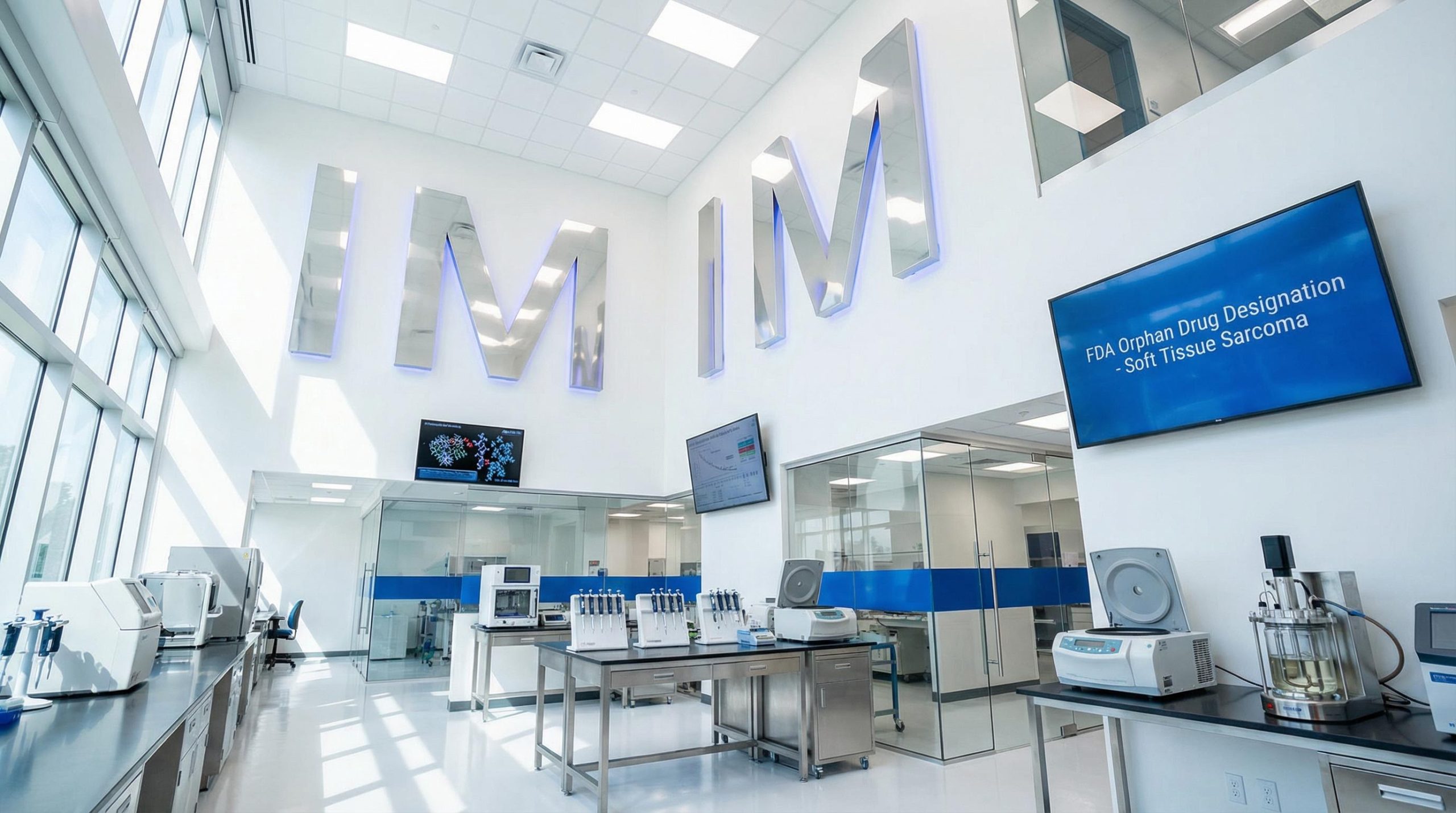
Immutep has received Orphan Drug Designation (ODD) from the United States Food and Drug Administration (FDA) for eftilagimod alfa (efti) in the treatment of soft tissue sarcoma (STS), a rare cancer with significant unmet medical need. The designation, granted on 15 April 2026, provides regulatory benefits including potential tax credits, fee exemptions, and seven years of market exclusivity upon approval, establishing a defined pathway for efti following the recent discontinuation of the company’s Phase III TACTI-004 trial.
Immutep secures FDA Orphan Drug Designation for efti in soft tissue sarcoma
The FDA’s Orphan Drug Designation programme is designed to encourage development of therapies for rare diseases affecting fewer than 200,000 people in the United States. This designation recognises efti’s therapeutic potential in STS, supported by clinical data from the investigator-initiated Phase II EFTISARC-NEO trial evaluating efti in combination with radiotherapy and pembrolizumab (KEYTRUDA®) in the neoadjuvant setting for patients with resectable soft tissue sarcoma.
The strategic timing of this designation creates a potential pivot point for Immutep’s (ASX: IMM) efti programme, providing regulatory endorsement and commercial incentives as the company conducts its comprehensive review following the TACTI-004 discontinuation in non-small cell lung cancer.
When big ASX news breaks, our subscribers know first
What is Orphan Drug Designation and why it matters for biotech investors
Orphan Drug Designation represents a significant regulatory endorsement that provides tangible commercial and development benefits. The programme creates meaningful value for biotechnology companies developing treatments for rare diseases by reducing capital requirements and establishing competitive protection.
Key benefits of Orphan Drug Designation include:
- Regulatory support and assistance during the drug development process
- Potential tax credits for qualified clinical trial costs
- Exemption from FDA application fees
- Seven years of market exclusivity upon FDA approval, preventing competitors from marketing the same drug for the same indication
The market exclusivity component creates a substantial competitive moat if efti achieves approval for soft tissue sarcoma. This seven-year protection period allows the developer to operate without generic or branded competition, regardless of patent status. For investors, this translates to a defined period of pricing power and market protection that can support commercial returns.
The tax credits and fee waivers reduce the capital intensity of the development pathway, an important consideration as Immutep evaluates its strategic direction for efti following recent clinical setbacks.
EFTISARC-NEO trial data underpins FDA decision
The FDA’s Orphan Drug Designation is supported by results from the Phase II EFTISARC-NEO trial, an investigator-initiated study evaluating efti in combination with radiotherapy and pembrolizumab in the neoadjuvant setting. The neoadjuvant approach involves administering treatment before surgery to shrink tumours and improve surgical outcomes.
The trial met its primary endpoint, demonstrating median tumour hyalinisation and fibrosis that significantly exceeded both the pre-specified target and historical benchmarks with radiotherapy alone.
| Metric | Result | Benchmark |
|---|---|---|
| Median tumour hyalinisation/fibrosis | 51.5% | 35% target |
| Historical benchmark (radiotherapy alone) | — | ~15% |
| Evaluable patients | 38 | — |
Additional clinical findings from EFTISARC-NEO include:
- Results were observed across multiple sarcoma subtypes, demonstrating broad applicability
- Translational data showed immune activation consistent with efti’s mechanism of action
- Treatment exhibited a favourable safety profile with no delays to planned surgery
- The combination therapy consisted of efti plus radiotherapy plus pembrolizumab (KEYTRUDA®)
The primary endpoint achievement provides clinical validation for efti in this indication, whilst the favourable safety profile supports the feasibility of further development. The ability to achieve these results without delaying surgery is particularly relevant for patients with resectable tumours, where timely surgical intervention remains a critical component of care.
Understanding LAG-3 and efti’s mechanism
Lymphocyte Activation Gene-3 (LAG-3) is a protein found on immune cells that helps regulate immune responses. Immutep is a pioneer in developing therapeutics that target LAG-3, with efti designed to stimulate the immune system’s ability to recognise and attack cancer cells.
When LAG-3 is activated through efti, it triggers a cascade of immune responses that can help the body’s natural defences identify and destroy tumour cells. The translational data from EFTISARC-NEO demonstrated this immune activation, showing that efti was working as intended to enhance the immune response against soft tissue sarcoma.
This mechanism complements the effects of radiotherapy, which can make tumour cells more visible to the immune system, and pembrolizumab, which removes another brake on immune activity. The combination creates multiple pathways for immune activation against the tumour.
Strategic pathway following TACTI-004 discontinuation
Immutep is conducting a comprehensive review and analysis following the discontinuation of its Phase III TACTI-004 trial in non-small cell lung cancer. The outcome of this review will influence decisions regarding any potential future clinical trial with efti. The Orphan Drug Designation for soft tissue sarcoma provides a potential pathway forward that differs from the discontinued indication.
Marc Voigt, CEO, Immutep
“We are pleased that the FDA has recognised the potential of efti for patients with soft tissue sarcoma, a rare and difficult to treat cancer. As previously communicated, the Company is currently undertaking a comprehensive review and analysis following the discontinuation of its Phase III TACTI-004 trial and the outcome will influence the decision regarding any potential future clinical trial with efti. The FDA’s designation, based on very encouraging data from the EFTISARC-NEO trial, provides us with a potential direct step forward into a late-stage study in the neoadjuvant setting for STS.”
The designation creates a defined regulatory pathway for efti development in soft tissue sarcoma whilst the company evaluates its broader strategy. The neoadjuvant STS setting represents a differentiated opportunity from the discontinued non-small cell lung cancer indication, with the Phase II data package already established and regulatory recognition secured.
The potential for a late-stage study without starting from the beginning of the regulatory pathway represents a meaningful strategic option. The company can leverage the existing EFTISARC-NEO data and the benefits of Orphan Drug Designation if it decides to advance efti in this indication.
What investors should watch for next
Several key catalysts and decision points will shape Immutep’s strategic direction over the coming months:
- Outcome of comprehensive review and analysis following TACTI-004 discontinuation, which will determine the company’s approach to efti development
- Decision regarding potential future clinical trial with efti, including whether to pursue a late-stage study in soft tissue sarcoma
- Potential initiation of late-stage neoadjuvant STS study, which would activate the regulatory and commercial benefits of Orphan Drug Designation
The near-term clarity expected on strategic direction for the efti programme will be critical for investors assessing the company’s development pathway. The benefits of Orphan Drug Designation, including market exclusivity and reduced development costs, are only realised if Immutep progresses to an approval pathway in soft tissue sarcoma.
The company’s decision will likely consider the strength of the EFTISARC-NEO data, the regulatory pathway enabled by Orphan Drug Designation, the commercial opportunity in STS, and the resource requirements relative to other priorities in Immutep’s diversified portfolio of LAG-3 therapeutics.
Want the Next Biotech Breakthrough in Your Inbox?
Join 20,000+ investors getting FREE breaking ASX biotech news delivered within minutes of release, complete with in-depth analysis. Click the “Free Alerts” button at Big News Blast to start receiving alerts the moment market-moving announcements break.