

SOF-SKN advances to patient study after successful Phase I
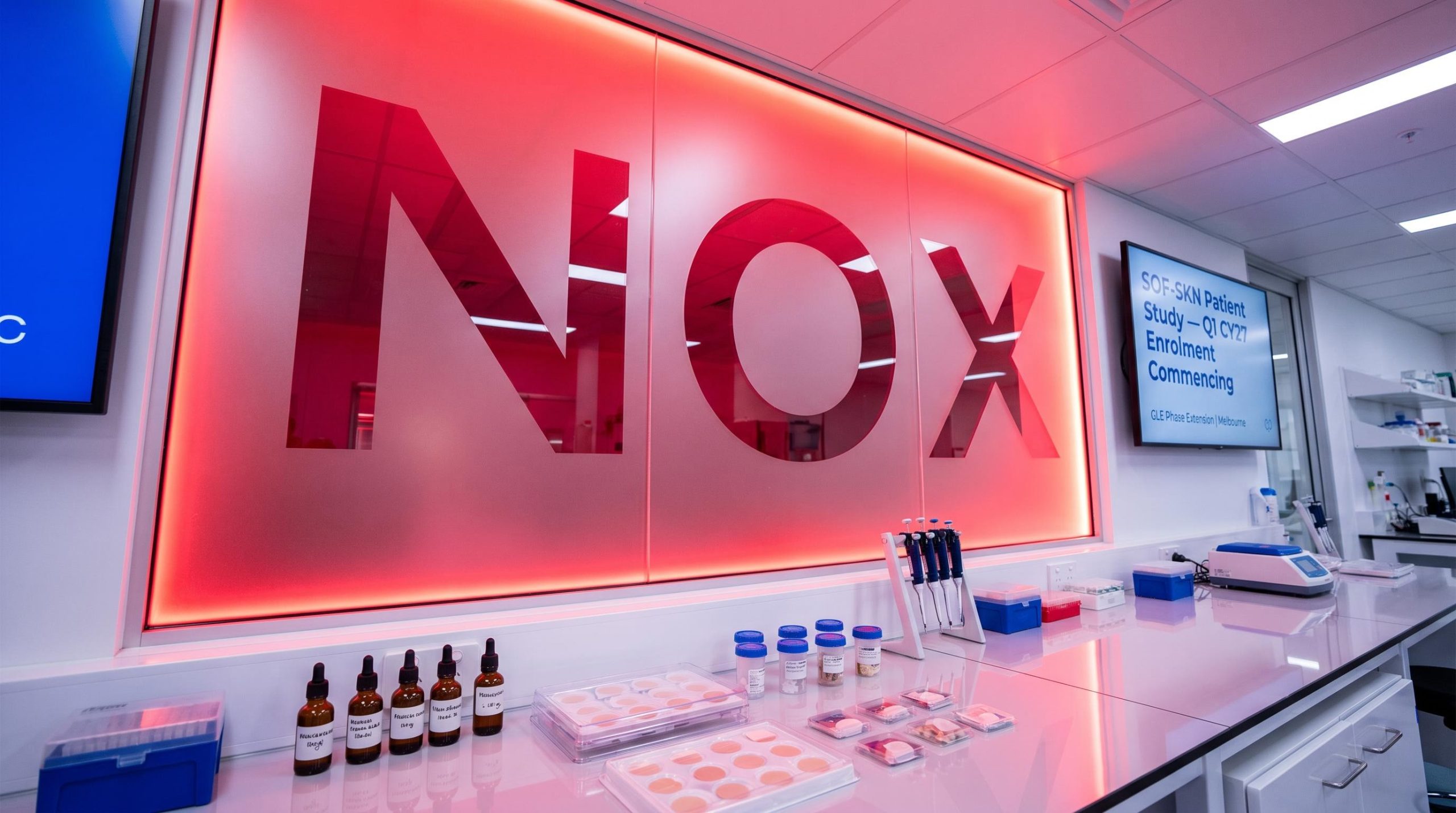
Noxopharm (ASX:NOX) is advancing its lead skin asset SOF-SKN into an extension clinical study in patients with cutaneous lupus erythematosus (CLE), following the successful completion of the HERACLES Phase I trial in healthy volunteers in January 2026. The patient study is planned to commence in Melbourne in Q1 CY27, subject to ethics approval and regulatory and contractual requirements. With first-in-human safety established, the move into patient dosing represents a meaningful de-risked step in the asset’s clinical development.
The study is designed to enrol approximately 15 CLE patients, each receiving 14 days of daily topical dosing with SOF-SKN plus a 7-day follow-up period. Initial efficacy signals are expected in Q2 CY27, with a full clinical data readout comprising efficacy signals together with safety and tolerability data anticipated in Q4 CY27.
SOF-SKN’s skin retention profile was a key enabling factor in the design of the 14-day daily dosing regimen, with preclinical pharmacokinetic data confirming a 3.5-day half-life in skin tissue and near-zero systemic absorption at all measured time points.
When big ASX news breaks, our subscribers know first
What is cutaneous lupus erythematosus, and why does it matter for investors?
Lupus is an autoimmune disease that can affect different organs in the body. CLE is a sub-type of lupus that manifests specifically in the skin, driven by immune system dysregulation. Patients with CLE currently have no targeted therapy available, representing a significant unmet clinical need.
For a biotech company, this gap opens the door to Orphan Drug Designation (ODD). ODD is a regulatory classification granted to therapies targeting rare diseases with limited treatment options. It typically comes with benefits including accelerated regulatory review, tax incentives, and a period of market exclusivity upon approval, all of which can meaningfully reduce the cost and time of bringing a drug to market.
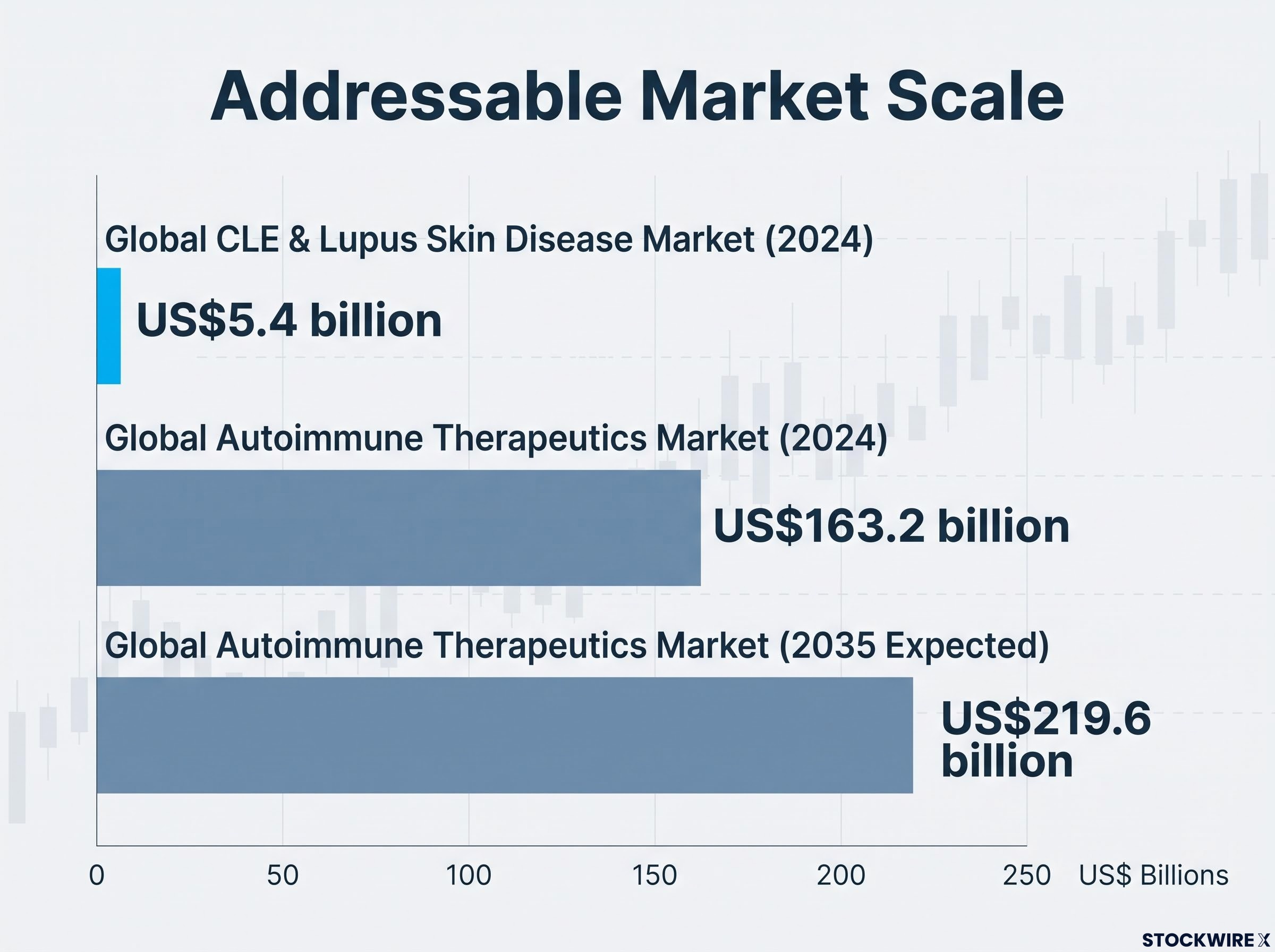
The commercial opportunity in this space is substantial:
- The global CLE and lupus skin disease market was valued at US$5.4 billion in 2024
- The broader global autoimmune disease therapeutics market was worth US$163.2 billion in 2024
- That broader market is expected to reach US$219.6 billion by 2035
Clinical roadmap and key milestones
The development timeline for SOF-SKN in CLE patients is structured across several staged milestones, from the completed Phase I through to a targeted Phase II trial.
| Milestone | Period | Detail |
|---|---|---|
| HERACLES Phase I completed | January 2026 | First-in-human trial completed in healthy volunteers |
| Patient enrolment commences | Q1 CY27 | Subject to ethics approval and regulatory/contractual requirements |
| Initial efficacy signals reported | Q2 CY27 | Patient recruitment and treatment expected to be completed |
| Full clinical data readout | Q4 CY27 | Efficacy signals plus safety and tolerability data |
| Phase II CLE trial targeted | H1 CY28 | Subject to regulatory feedback and standard clinical and manufacturing requirements |
Lead investigator brings specialist credibility
A/Prof Amanda Saracino, Lead Investigator
“As a clinician who regularly treats people with lupus and other skin diseases, I am eager to assess SOF-SKN in patients with CLE. While SOF-SKN uses a well-recognised signalling pathway (TLR7/8 inhibition) for therapies in development for autoimmune conditions, its novel topical delivery approach has the potential to offer hope to CLE patients and others with a variety of chronic inflammatory skin diseases.”
A/Prof Saracino is a clinical and academic dermatologist specialising in autoimmune connective tissue diseases and skin manifestations of autoimmune disease. She leads specialist clinics and a broad array of research activities in Melbourne, bringing both clinical expertise and research depth to the study.
The investment case for NOX at this stage
With SOF-SKN progressing from Phase I into a patient study, several factors are worth tracking for investors:
- Phase I completion de-risks the asset. First-in-human safety has been established in healthy volunteers before patient dosing begins, reducing a key early-stage risk.
- CLE’s unmet need could support Orphan Drug Designation. If granted, ODD could unlock regulatory incentives and potentially accelerated approval pathways for SOF-SKN.
- The Sofra™ platform extends beyond SOF-SKN. The broader pipeline spans inflammatory and autoimmune diseases, RNA therapeutics, and oncology, giving the platform potential reach across multiple disease areas.
- A full data readout in Q4 CY27 creates a trackable near-term catalyst. If the study proceeds on schedule, investors may have efficacy and safety data in hand before the end of calendar year 2027, informing the design of any subsequent Phase II programme.
None of these outcomes are certain, and each remains subject to the clinical, regulatory, and operational requirements outlined in the announcement.
For investors exploring the US regulatory pathway running alongside the Australian patient study, our full explainer on Noxopharm’s FDA pre-IND strategy for SOF-SKN covers how the company is positioning the drug for a future Investigational New Drug submission and what a successful pre-IND meeting could mean for licensing attractiveness.
Don’t Miss the Next Healthcare Breakthrough
Get FREE breaking ASX healthcare news delivered to your inbox within minutes of release, complete with in-depth analysis already done for you. Join 20,000+ investors who never miss a market-moving announcement. Click the “Free Alerts” button at Big News Blast to stay ahead the moment news breaks.