
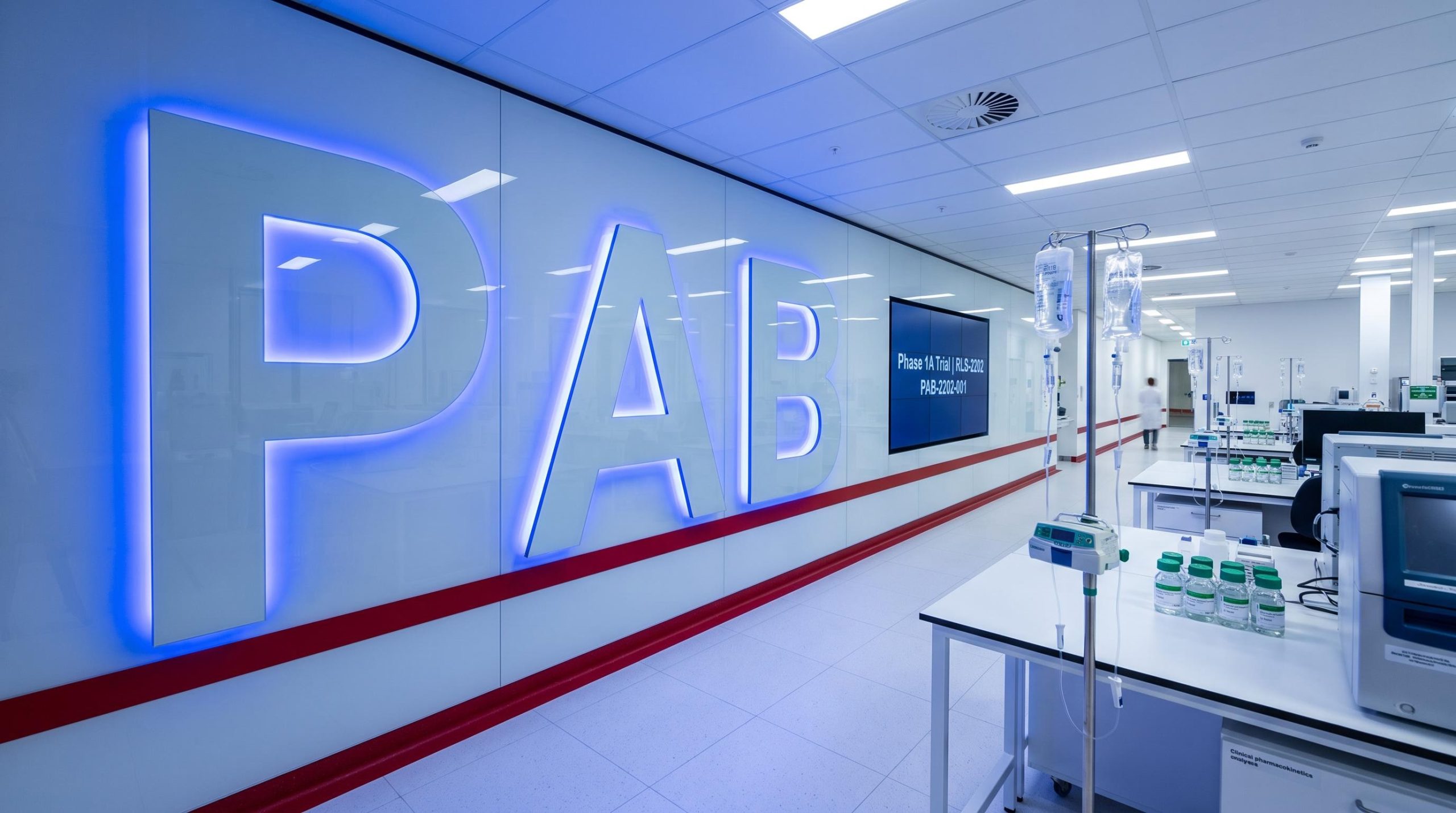
Patrys secures HREC approval to launch Phase 1A trial of RLS-2202
Patrys Limited (ASX: PAB) has received Human Research Ethics Committee (HREC) approval to commence its Phase 1A clinical trial of RLS-2202 in healthy volunteers. The approval was granted by Bellberry on 27 August 2026, clearing a key regulatory hurdle for the clinical-stage biotech.
The milestone opens the path to first participant dosing, which remains on track to commence this quarter. RLS-2202 targets delirium, described by the Company as a significant unmet medical need.
When big ASX news breaks, our subscribers know first
Inside the Phase 1A bridging study
The trial is a Phase 1A bridging study designed to evaluate the safety, tolerability, and pharmacokinetics (PK) of RLS-2202 in healthy adult volunteers.
The study will be conducted at CMAX in South Australia, assessing RLS-2202 following intravenous and oral administration. It employs a sequential dose-escalation design, with progression between the two cohorts subject to review by an independent Safety Review Committee in accordance with the study protocol (Protocol No. PAB-2202-001).
Patrys selected CMAX as trial site and Alithia Life Sciences as CRO earlier in 2026, completing the operational framework that has since supported the ethics application and study start-up activities now underway.
The study objectives are structured as follows:
- Primary: assess the safety and tolerability of RLS-2202
- Secondary: evaluate the pharmacokinetic profile
- Secondary: determine dose levels to support subsequent clinical development
Data generated from this study will support dose selection and the design of subsequent clinical trials.
| Parameter | Detail |
|---|---|
| Study phase | Phase 1A bridging study |
| Ethics body | Bellberry (HREC approval, 27 August 2026) |
| Site | CMAX, South Australia |
| Administration routes | Intravenous and oral |
| Design | Sequential dose-escalation (two cohorts) |
| Primary objective | Assess safety and tolerability of RLS-2202 |
Why delirium and RLS-2202 matter for investors
The Company describes delirium as a significant unmet medical need.
Patrys is a clinical-stage company developing an injectable therapy for delirium alongside a differentiated deoxymab platform targeting immune-mediated inflammatory diseases. The Phase 1A trial relates to the delirium programme.
The RLS-2202 program traces directly to the Reliis acquisition completed in January 2026, which added injectable quetiapine reformulation to Patrys’ pipeline alongside its original deoxymab antibody platform.
CEO points to strong programme momentum
With ethics approval secured, the Company’s focus now shifts to initiating the study and recruiting participants ahead of first dosing.
Dr Samantha South, CEO
“We are pleased to have received ethics approval for our Phase 1A clinical trial. This is a significant step forward and reflects the strong progress being made across the program.”
“Delirium remains a significant unmet medical need, and we look forward to advancing this important clinical program.”
Next steps and timeline to first dosing
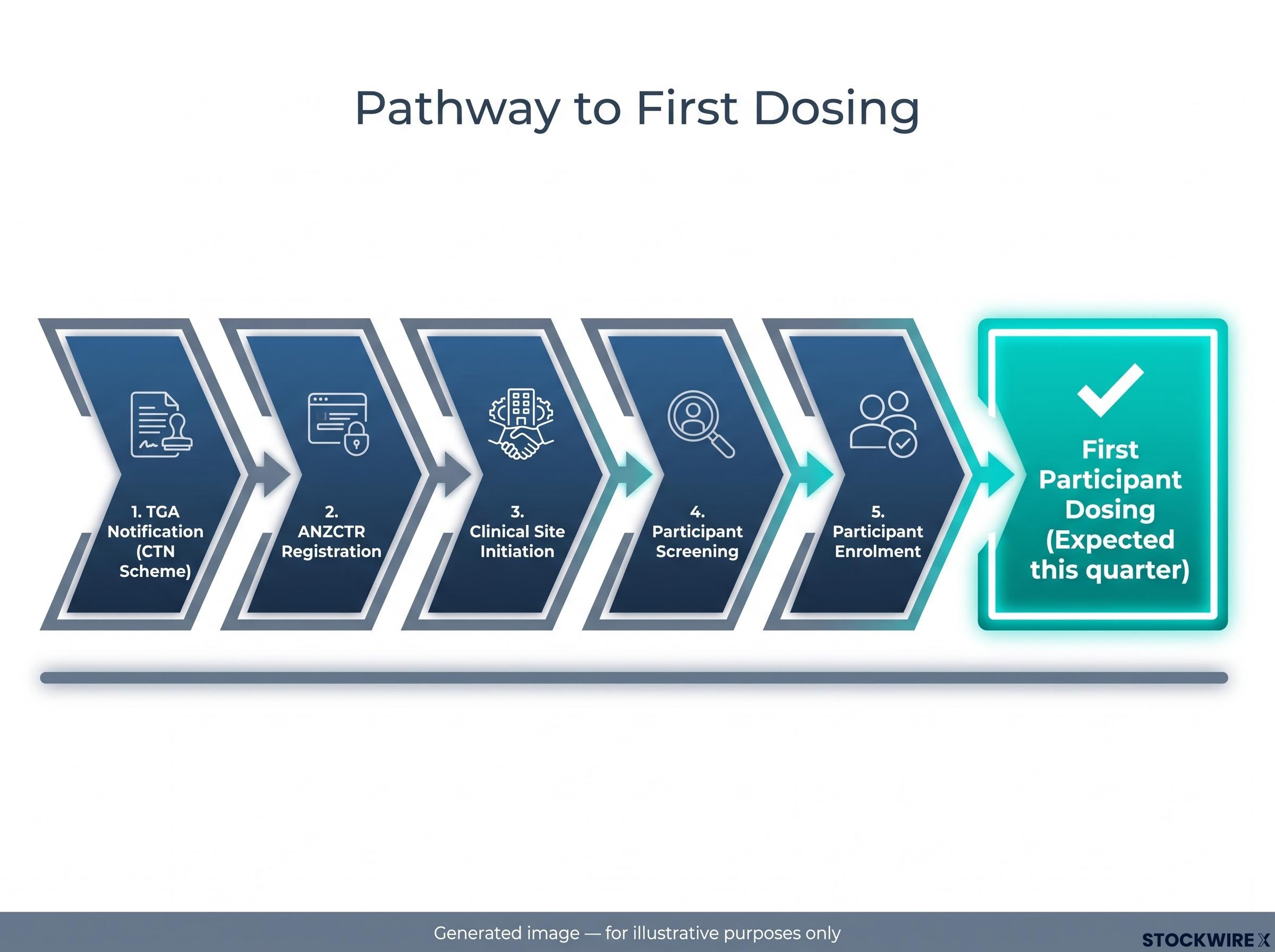
With HREC approval now in place, Patrys will proceed with the remaining study start-up activities. The Company has outlined a clear sequence of steps ahead of first participant dosing:
- Notification to the Therapeutic Goods Administration (TGA) under the Clinical Trial Notification (CTN) Scheme, satisfying the remaining regulatory requirements
- Registration of the trial on the Australian New Zealand Clinical Trials Registry (ANZCTR)
- Clinical site initiation
- Participant screening
- Participant enrolment
The key near-term milestone is first participant dosing, which the Company expects to occur this quarter following completion of these activities.
Patrys continues to work closely with its manufacturing, bioanalytical, clinical site and CRO partners to ensure the study is conducted to high standards of quality, safety and scientific rigour. Shareholders are expected to receive further updates as the trial progresses.
Don’t Miss the Next Healthcare Breakthrough
Big News Blast delivers FREE breaking ASX healthcare news to your inbox within minutes of release, with in-depth analysis included. Join 20,000+ investors already getting real-time alerts the moment market-moving announcements hit. Click the “Free Alerts” button at StockWire X to stay ahead of the next clinical milestone.