

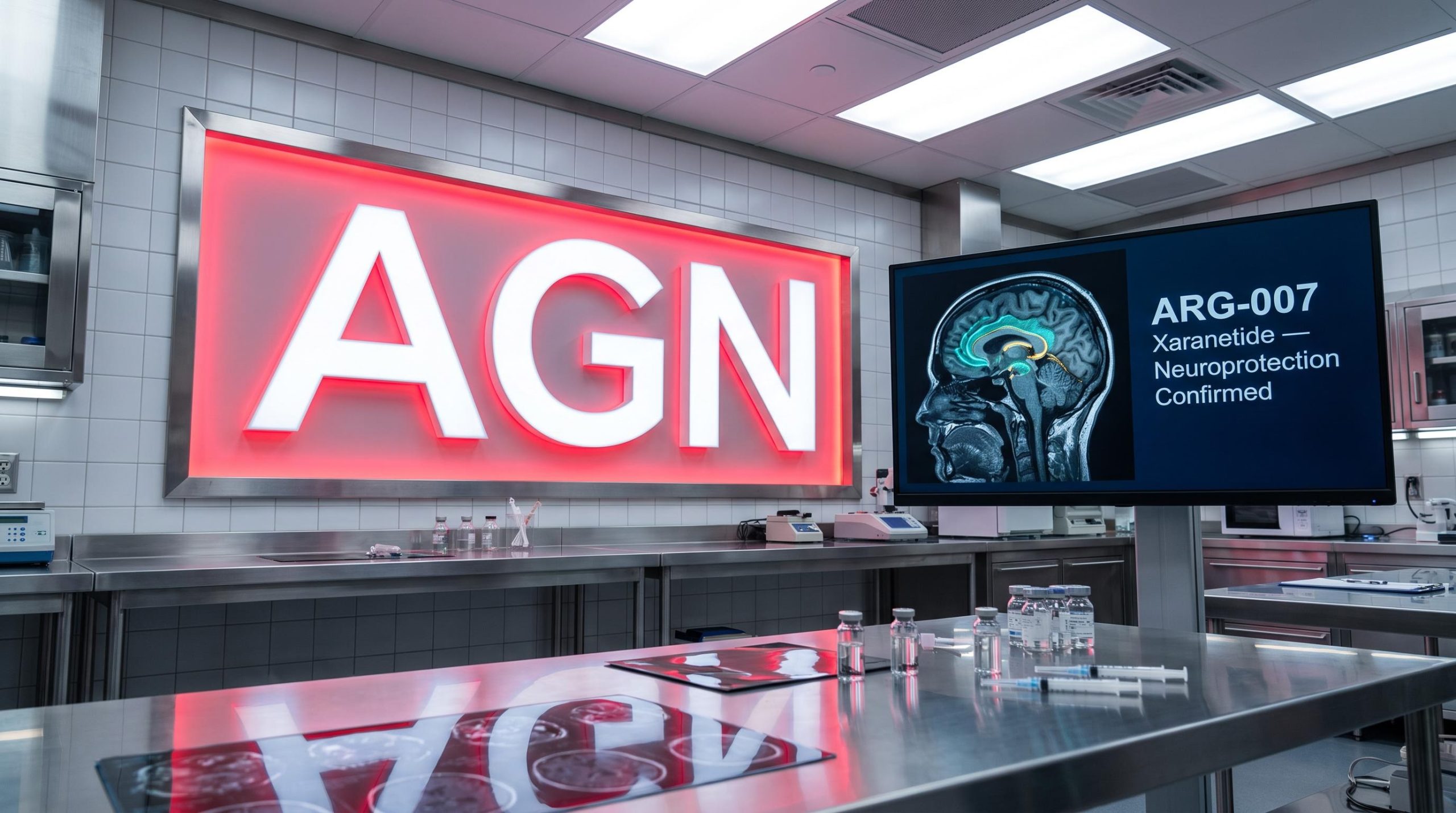
Xaranetide delivers significant neuroprotection in concussion study
Argenica Therapeutics (ASX: AGN) has reported positive preclinical efficacy data for its lead drug candidate ARG-007 (xaranetide) in a repeated mild traumatic brain injury (rmTBI), or concussion, animal model. Released on 16 July 2026 and undertaken in collaboration with Curtin University and the Perron Institute for Neurological and Translational Science, the study showed that a single low dose significantly reduced three key drivers of secondary brain injury.
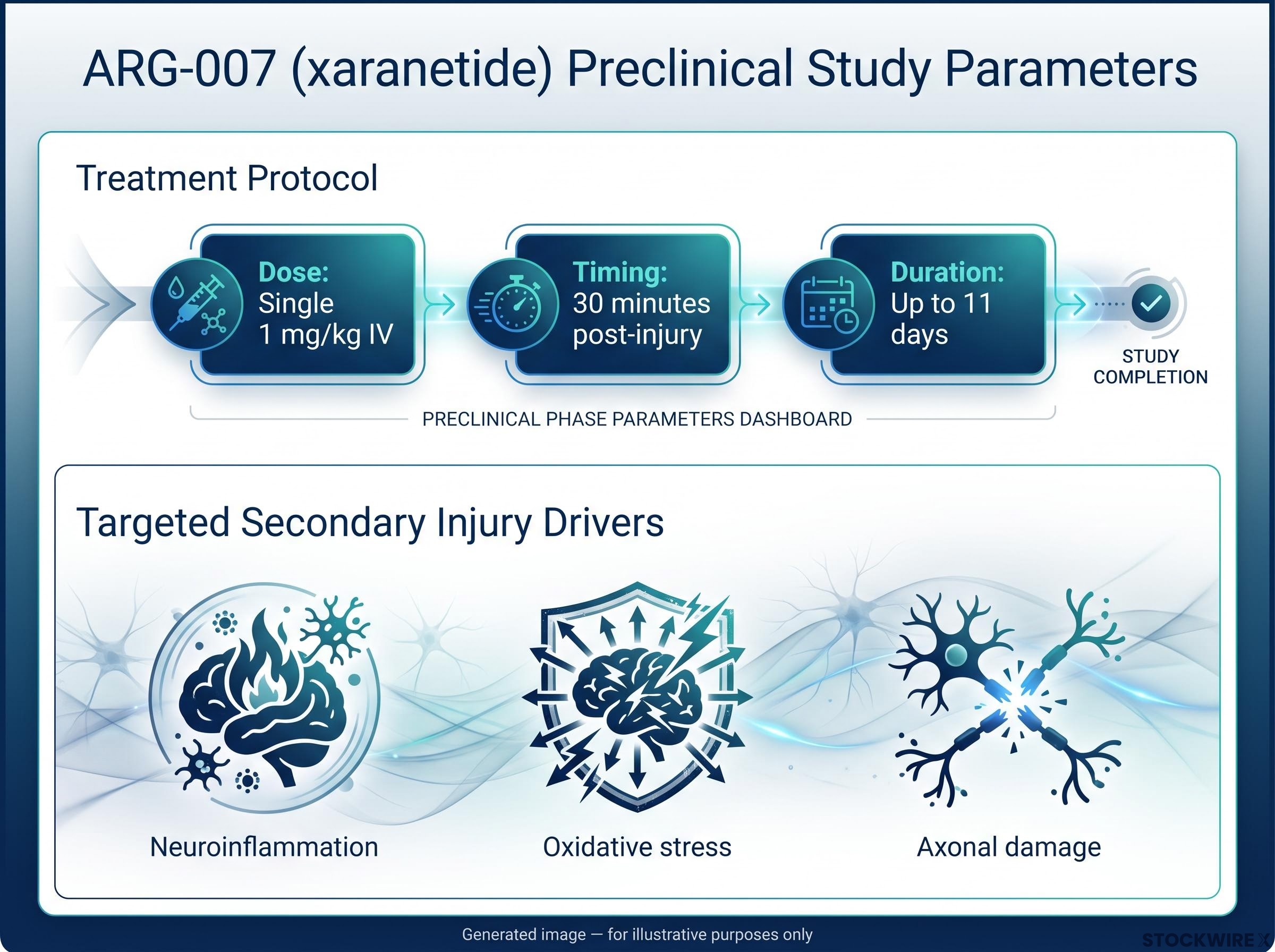
A single 1 mg/kg IV dose of xaranetide, administered 30 minutes after repeated mild TBI, attenuated neuroinflammation, oxidative stress and axonal damage, three of the most significant components of the secondary injury cascade seen following concussion. The effect proved enduring, lasting up to 11 days post-injury.
The findings open a potential new indication beyond the company’s core acute ischaemic stroke programme, positioning concussion as a complementary target for the neuroprotective candidate.
When big ASX news breaks, our subscribers know first
What the study found
The preclinical study evaluated xaranetide’s effect across three distinct secondary-injury processes: neuroinflammation, measured through reduced astrocyte and microglial activation, oxidative stress, and axonal injury. Effects were observed across multiple brain regions involved in memory and cognition, including the hippocampus, cortex and corpus callosum.
A single intravenous dose of xaranetide administered after two mild TBIs given 24 hours apart reduced GFAP-positive astrocyte reactivity in the dentate gyrus of the hippocampus to levels comparable with sham animals. GFAP is a well-established marker of astrocyte activation and neuroinflammation following brain injury.
The study also assessed Iba1, a marker of activated microglia. Xaranetide significantly reduced Iba1-positive microglial reactivity across the cortex, corpus callosum and dentate gyrus, with all three regions returning to sham levels by Day 11.
Beyond inflammation, the dose reduced MnSOD immunoreactivity, a marker of oxidative stress, back to normal levels in both the cortex and ventral tegmental area (VTA). A significant reduction in neurofilament light (NF-L), a marker of neuroaxonal injury, was also recorded in the VTA.
These results are consistent with previously reported efficacy in multiple moderate and severe TBI models, adding to a growing body of evidence rather than representing an isolated finding.
Biomarker results at a glance
The table below summarises the four biomarkers measured against injured controls. The sham control arm consisted of animals that underwent identical surgical and experimental procedures, including anaesthesia and handling, but without the actual brain injury. This isolated the drug effect from the surrounding procedures.
| Biomarker | What it measures | Brain region(s) | Result vs injured controls |
|---|---|---|---|
| GFAP | Astrocyte activation / neuroinflammation | Dentate gyrus (hippocampus) | Reduced to sham levels (***p<0.001) |
| Iba1+ | Activated microglia | Cortex, corpus callosum, dentate gyrus | Returned to sham levels by Day 11 |
| MnSOD | Oxidative stress | Cortex and VTA | Reduced to normal by Day 11 |
| NF-L | Neuroaxonal injury | VTA | Significant reduction (***p<0.001) |
Why concussion and secondary brain injury matter
A concussion, or repeated mild traumatic brain injury, involves an initial impact to the brain followed by a delayed wave of biological damage known as the secondary injury cascade. This cascade unfolds over hours and days after the original impact and is believed to drive much of the lasting harm.
Astrocytes and microglia are the brain’s principal inflammatory cells. While they play an important role in the acute response to injury, persistent activation following concussion is believed to contribute to ongoing neuronal dysfunction, impaired synaptic signalling and axonal injury, processes associated with persistent post-concussive symptoms and delayed recovery.
The three secondary-injury drivers targeted in this study were:
-
Neuroinflammation
-
Oxidative stress
-
Axonal (nerve fibre) damage
The ventral tegmental area is a relatively small structure in the midbrain, but it carries an outsized role in motivation, reward, attention, learning and cognition. It contains dopamine-producing neurons that project across the brain. Disruption of this dopamine signalling is thought to contribute to many of the cognitive and neuropsychiatric symptoms experienced after mild TBI.
For investors, a therapy that modifies the underlying biology, rather than simply masking symptoms, is potentially disease-modifying.
Platform potential across the injury spectrum
The results extend xaranetide’s evidence base beyond the lead acute ischaemic stroke programme. Across three distinct preclinical injury models, the candidate has now demonstrated a consistent, mechanistically-aligned protective effect, reducing neuroinflammation, oxidative stress and axonal damage.
This cross-model consistency supports xaranetide as a potential platform therapy targeting the fundamental pathways of brain injury rather than a single downstream pathway.
Repeated mild TBI and concussion represent a large, currently underserved population, including contact-sport athletes, military personnel and survivors of domestic violence, for which no approved pharmacological neuroprotective therapy exists. The data provides a scientific basis to explore mTBI and concussion as a complementary indication, broadening the company’s potential addressable markets alongside its core stroke programme.
Dr Liz Dallimore, Managing Director
“These findings show that a single dose of xaranetide, given soon after repeated mild brain injury, reduced inflammation, oxidative stress, and cellular damage across multiple regions of the brain — processes believed to drive prolonged concussion symptoms and delayed recovery. This is another independent demonstration of xaranetide’s efficacy in TBI, adding to a growing body of evidence across mild, moderate, and severe injury models, and reinforcing its potential as a disease-modifying therapy for repeated concussion. Based on these results, Argenica is now considering next steps to advance xaranetide’s development in this indication.”
What comes next for Argenica
Argenica has stated it is considering next steps to advance xaranetide’s development in the concussion and mTBI indication. The announcement does not disclose a specific clinical trial timeline, cost, or regulatory milestone for this indication.
The company’s core lead programme remains acute ischaemic stroke, with concussion positioned as a complementary indication rather than a replacement focus.
The ARG-007 Phase 2b trial design is being shaped by a six-member Clinical Advisory Committee that includes Prof Geoffrey Donnan and Prof Jeffrey Saver, two of the most recognised names in global stroke neurology, with the committee focused on endpoint selection, patient criteria and dosing strategy.
The candidate has now shown consistent efficacy across three validated preclinical models:
-
Moderate-to-severe traumatic brain injury
-
Ischaemic stroke (lead programme)
-
Repeated mild TBI / concussion (new data)
For investors, the consistent cross-model efficacy strengthens confidence in the drug’s core mechanism and expands the company’s optionality across the brain injury spectrum, though the concussion indication remains at the preclinical stage.
For investors tracking the regulatory path ahead of any clinical trial commencement, our detailed coverage of xaranetide’s FDA safety clearance sets out how the company cleared all three FDA-requested safety assays, including the hERG cardiac study, and what the submission of a comprehensive clinical hold response means for the Phase 2b timeline.
Don’t Miss the Next Healthcare Breakthrough
Big News Blast delivers FREE breaking ASX healthcare news to your inbox within minutes of release, complete with in-depth analysis. Join 20,000+ investors already staying ahead of the market. Click the “Free Alerts” button to start receiving real-time coverage the moment ASX announcements drop.