
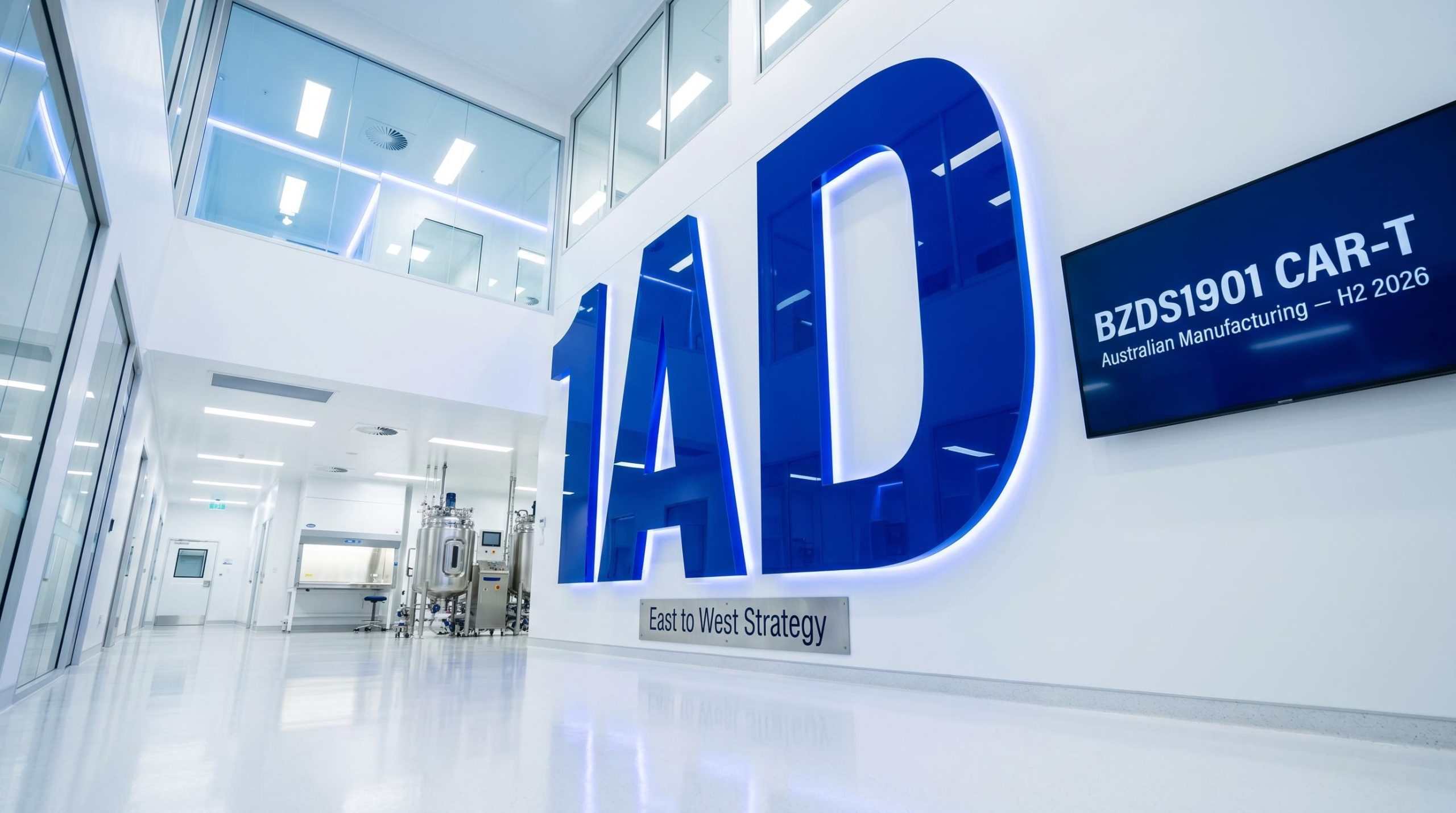
AdAlta clears final funding hurdle on BZDS1901 CAR-T as Australian manufacturing nears
AdAlta Limited (ASX:1AD) has made a US$1 million (~A$1.43 million) milestone payment to Shanghai Cell Therapy Group Co Ltd (“SHcell”), advancing its BZDS1901 CAR-T therapy toward Australian manufacturing. The payment fully meets AdAlta’s initial financing obligations under the BZDS1901 Development and Collaboration Agreement (“DCA”).
The payment was made in respect of five additional advanced mesothelioma patients treated with BZDS1901 in China, and was funded in part from the Company’s recent A$2.5 million placement, announced 4 May 2026 and approved by shareholders on 15 June 2026.
With this payment, AdAlta secures its rights to continue developing BZDS1901 for markets outside Greater China under the DCA, while unlocking two near-term value drivers for the program.
When big ASX news breaks, our subscribers know first
What the milestone payment unlocks
The payment delivers two distinct benefits for AdAlta.
-
Access to additional clinical data from investigator-initiated trials of BZDS1901 in China. Investigator-initiated trials are studies run independently by clinicians. The data includes ongoing treatment durability assessments for all treated patients, CAR-T cell expansion and persistence data for the five most recently treated patients (top-line results previously announced), detailed safety data tables required for US FDA submissions, and manufacturing results that will support technology transfer.
-
Secured supply of critical proprietary materials from SHcell, known as plasmid DNA and mRNA transposases. These are the genetic “blueprints” and tools used to engineer a patient’s own immune cells into the cancer-fighting CAR-T cells that make up BZDS1901, and are essential to manufacturing the therapy in Australia.
Together, the clinical data is expected to add materially to the evidence supporting BZDS1901’s potential in advanced mesothelioma and strengthen the FDA submission package, while securing the proprietary materials de-risks the Australian manufacturing transfer.
What is CAR-T therapy and why it matters for solid cancers
CAR-T (chimeric antigen receptor-T cell) therapy is a “living drug” manufactured from a patient’s own immune cells. These cells are engineered in a laboratory to find and kill cancer, and as a living drug, a single dose has the potential for durable and potentially curative effects.
Solid tumours account for 90% of cancers yet remain underserved by current cellular immunotherapies. According to AdAlta, the cellular immunotherapy market is projected to grow at a compound annual growth rate of 34% to reach US$20.3 billion by 2028.
The BZDS1901 mesothelioma results from earlier China studies recorded a 50% Overall Response Rate and a 20% Complete Response Rate at the highest doses tested, with one patient’s tumours remaining undetectable 18 months after a single dose.
This high-growth segment is the focus of AdAlta’s “East to West” strategy, which targets effective cellular immunotherapies for solid cancers.
How BZDS1901 compares on the data
The following table contrasts current second-line mesothelioma standard-of-care outcomes against BZDS1901 results reported in China studies. These figures relate to relapsed or advanced patients (second line and later).
| Measure | Current 2nd-line treatments | BZDS1901 (China studies) |
|---|---|---|
| Overall Response (tumour shrinkage) | 11–29% | up to 50% |
| Complete Response (full clearance) | almost never | up to 20% |
| Median survival | 8–10 months (2nd line) | not yet reached; earlier generation >25 months |
First solid-cancer CAR-T approval validates the East to West thesis
CARsgen Therapeutics has obtained approval to market Satri-cel in China, described in the source as the world’s first CAR-T cell therapy product approved for the treatment of solid tumours.
In the clinical study supporting the approval, tumour shrinkage (overall response rate) in Claudin18.2-positive advanced gastric/gastroesophageal junction adenocarcinoma patients was just 4% in the control arm but more than 20% in patients who received Satri-cel, including those who switched from the control arm at the end of the study. These outcomes are significant for patients otherwise facing five-year survival rates of less than 10%.
Satri-cel does not compete with AdAlta’s BZDS1901. The approval serves as third-party validation of AdAlta’s belief that CAR-T cells can be effective in solid cancers, and that China is a leading global source of innovation in solid-cancer CAR-T therapies, a view central to the Company’s in-licensing model.
CEO commentary
Dr Tim Oldham, CEO & Managing Director
“This milestone payment gives us access to valuable new clinical data that will support future regulatory submissions, secures the specialised materials we need to manufacture BZDS1901 in Australia, and is the final component of initial financial allocations specified in our collaboration agreement. We are now focused on the next two milestones that matter most to this program’s value: building Australian manufacturing and engaging with the US FDA. Completing our initial financial commitment to BZDS1901 reflects the strong support of our shareholders and our disciplined execution of the East to West strategy.”
Next steps and the road ahead
With its initial financial commitments met, AdAlta is focused on the two value drivers that most influence the future value of BZDS1901: reliable Australian manufacturing and regulatory alignment with the US FDA.
-
Technology transfer to Cell Therapies Pty Ltd (“CTPL”) continues, with first Australian test manufacturing runs expected in the second half of calendar 2026.
-
A pre-IND meeting with the US FDA is anticipated in the second half of calendar 2026.
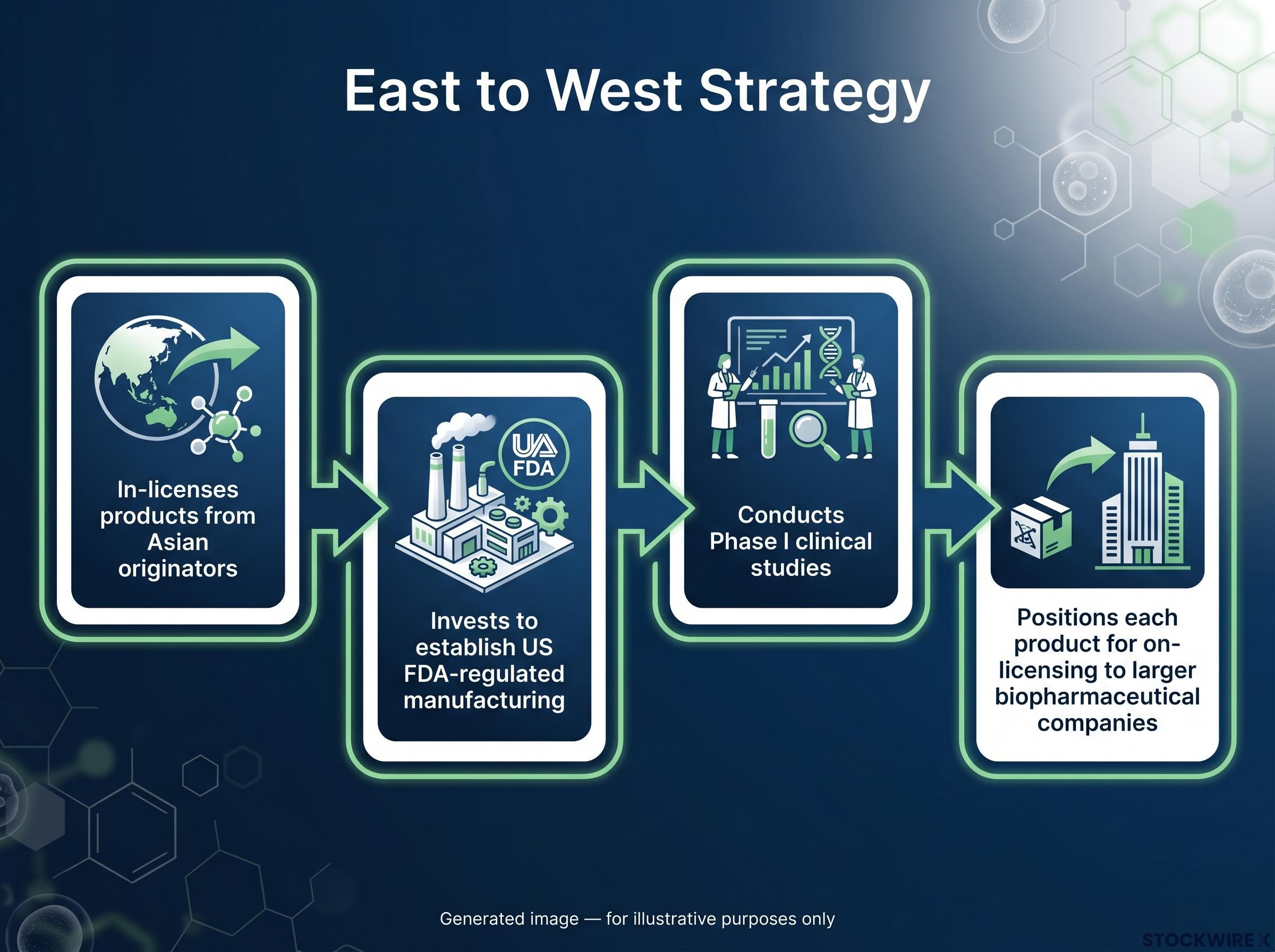
These steps reinforce the capital-efficient execution at the heart of AdAlta’s “East to West” strategy, under which the Company in-licenses products from Asian originators, invests to establish US FDA-regulated manufacturing, conducts Phase I clinical studies, then positions each product for on-licensing to larger biopharmaceutical companies. Both milestones are near-dated, giving investors clear catalysts to watch in the second half of 2026.
Don’t Miss the Next Healthcare Breakthrough on ASX
Get FREE breaking ASX healthcare news delivered to your inbox within minutes of release, complete with in-depth analysis already done for you. Join 20,000+ investors who never miss a market-moving announcement. Click the “Free Alerts” button at Big News Blast to stay ahead the moment news breaks.