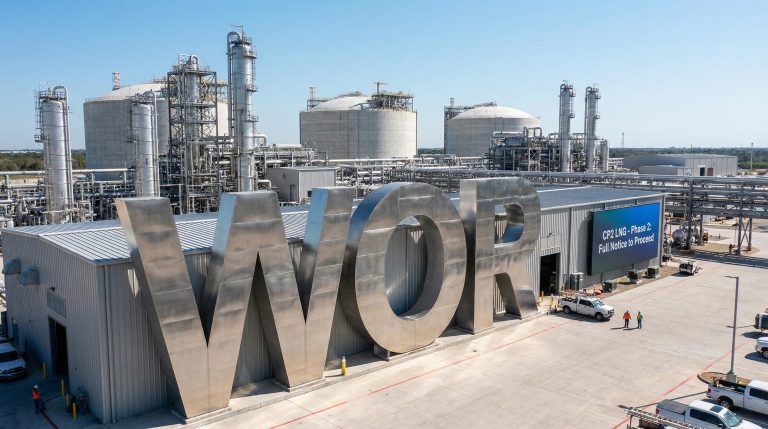
Worley Secures Full Approval for Phase 2 of Major US LNG Project

Track transportation infrastructure coverage for ASX listed airports, ports, toll roads and related network assets. Follow traffic and throughput drivers, regulatory and concession updates, capex plans, earnings and corporate actions, with share price moves and videos as announcements land. Browse related stocks and investor guides for context.


Transportation infrastructure assets often trade on a mix of volume growth, pricing frameworks and capital spend, so investors watch both demand and regulatory settings. Traffic, passenger numbers and throughput can drive revenue, but returns also depend on concession terms, allowed pricing increases and service level requirements. Many assets also have diversified revenue streams, such as property, parking or ancillary services. Inflation indexation and cost pass through can be important for long dated cash flows. Large capex programs, refinancing cycles and interest rate shifts can influence valuation because these assets are capital intensive. Articles and videos track earnings and guidance, regulatory decisions, development approvals and corporate actions that can reshape market cap expectations.
It typically covers listed owners or operators of airports, ports, toll roads, rail infrastructure and related network assets. Some businesses also have material exposure through concessions, long-term operating contracts, or linked services like terminals and logistics precincts.
Traffic and throughput trends, pricing outcomes, and regulatory or concession updates are key drivers. Markets also react to capex plans, refinancing activity, major development approvals, earnings and guidance, and corporate actions such as acquisitions or asset sales.
Many infrastructure returns are shaped by what the operator is allowed to charge and what service levels must be delivered. Concession length, escalation mechanisms, and compliance requirements can materially affect long-term cash flow certainty.
These assets are capital intensive and often valued on long-term cash flows. Changes in interest rates can influence borrowing costs, refinancing risk, and the discount rate investors apply, which can shift valuation multiples.
Investors commonly look at traffic or passenger growth, yield per user, revenue mix, operating margin, free cash flow after maintenance capex, leverage and debt maturity profiles. For regulated assets, the strength of pricing frameworks and indexation settings also matters.