FBR Secures $4.7M R&D Rebate, Retains $960K Cash After Loan Repayment


Track ASX industrial machinery and components coverage across equipment makers, component suppliers and maintenance providers. Follow order flow, plant upgrades, pricing and margin updates, plus earnings, contracts and corporate actions, with share price moves and videos as updates land. Browse related stocks and investor guides for context.
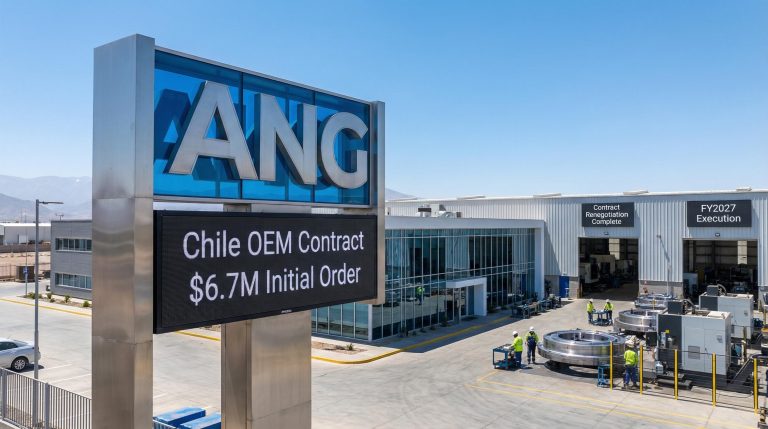

Industrial machinery and components stocks often reflect a blend of project work and recurring maintenance demand, so investors watch both new orders and aftermarket activity. Key signals include order intake, backlog, installed base growth, pricing power and gross margin, especially where input costs and freight move. For import heavy suppliers, exchange rate changes can affect pricing and competitiveness. End market exposure matters, from manufacturing and utilities to mining services and infrastructure. Operational updates on capacity, product quality and delivery schedules can influence earnings confidence, as can safety and compliance performance on site. Articles and videos also track acquisitions, partnerships and capital raises that can change scale, capability and balance sheet risk.
It can include machinery manufacturers, component and parts suppliers, automation and control providers, and service businesses that install, repair or maintain equipment for industrial customers.
Order intake and backlog updates, earnings and guidance, margin commentary, and major customer or contract wins. Operational issues like quality problems or delivery delays can also be important drivers.
A larger installed base can support recurring parts and maintenance revenue, which often carries higher margins and steadier cash flow than one off project sales.
Order growth, recurring revenue share, margin stability, cash conversion and net debt are common. Investors also look at customer concentration and exposure to cyclical end markets.
Demand cyclicality, input cost volatility, execution risk on complex installs, and supply chain disruption are common. Technology shifts and competition can also pressure pricing over time.