
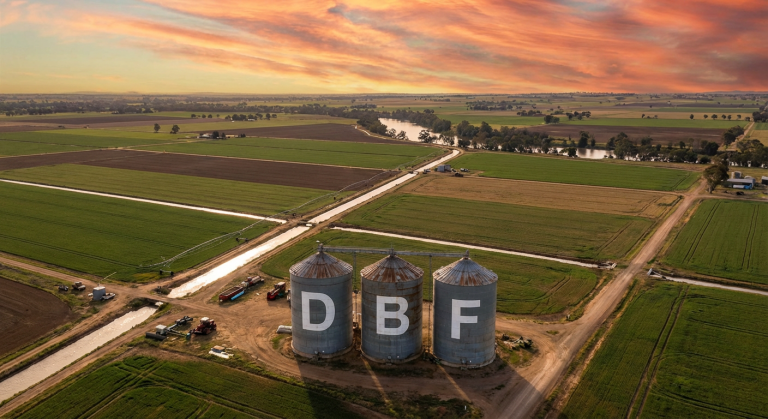
Duxton Farms (ASX: DBF) has placed three Forbes properties totalling 7,061 hectares on the market via CBRE Group, marking the company’s complete exit from irrigated and dryland cropping operations in New South Wales. The Duxton Farms Forbes divestment represents a further step in the Board’s strategic shift away from broadacre cropping, with proceeds earmarked for reinvestment into higher-growth agricultural segments including horticulture, viticulture, apiculture, and northern expansion. Expressions of interest are due by the end of March 2026, with settlement targeted before the end of the 2026 Financial Year.
The properties, comprising Walla Wallah, Yarranlea, and West Plains, will be sold together with 8.6 gigalitres of Lachlan River surface and groundwater entitlements. Approximately one-third of the total landholding is irrigable, enhancing the asset’s appeal to institutional buyers seeking diversified water access in Australia’s regulated water market.
What’s included in the Forbes divestment
Three institutional-grade cropping assets
The Duxton Farms Forbes divestment encompasses a substantial cropping portfolio near Forbes, New South Wales. The three properties collectively span 7,061 hectares, with roughly 2,354 hectares classified as irrigable land. This institutional-grade asset package includes significant water infrastructure and entitlements, positioning it as an attractive acquisition for large-scale agricultural operators.
The water portfolio accompanying the sale comprises 8.6 gigalitres of combined Lachlan River surface water and groundwater allocations. In Australia’s tightly regulated water market, these entitlements represent substantial standalone value, particularly given increasing demand for irrigation access across agricultural regions.
| Property | Classification | Water Source |
|---|---|---|
| Walla Wallah | Irrigated/Dryland | Lachlan River |
| Yarranlea | Irrigated/Dryland | Lachlan River |
| West Plains | Irrigated/Dryland | Lachlan River |
The sale marks Duxton Farms’ (ASX: DBF) complete withdrawal from New South Wales cropping operations, consolidating its presence in regions aligned with the company’s revised portfolio strategy.
Join thousands of readers who start here
Our best articles, sent straight to your inbox. You can unsubscribe anytime.
Why agricultural companies divest to grow
Portfolio recycling involves selling mature or lower-growth assets to fund expansion into segments offering superior return prospects. For agricultural operators, this typically means divesting broadacre cropping properties, which often generate relatively stable but lower margins, to acquire or develop specialty agriculture assets commanding premium pricing and stronger growth trajectories.
Broadacre cropping faces structural margin pressures from commodity price volatility, input cost inflation, and climate variability. Specialty segments such as horticulture, viticulture, and apiculture can achieve higher returns per hectare through value-added production, direct market access, and less exposure to bulk commodity pricing.
Water entitlements play a critical role in agricultural asset valuations across Australia. Properties with substantial irrigation allocations typically attract premium valuations, as water access constrains production capacity in many regions. The 8.6 gigalitres included in the Duxton Farms Forbes divestment enhances the asset’s investment appeal, particularly for buyers seeking to secure long-term water access in established irrigation zones.
Capital recycling allows agricultural companies to redeploy proceeds into development projects or acquisitions offering stronger growth without requiring additional equity issuance. This approach can enhance shareholder returns by improving the overall quality and return profile of the portfolio over time.
Where the proceeds will go
Duxton Farms intends to direct sale proceeds toward four strategic investment areas, each representing higher-margin opportunities compared to traditional broadacre cropping. The company has identified these segments as core to its growth strategy, with existing development assets positioned to receive further capital allocation following settlement of the Forbes portfolio.
The reinvestment focus areas include:
- Horticulture: High-value fruit and vegetable production targeting premium domestic and export markets.
- Viticulture: Wine grape cultivation leveraging established growing regions and market demand.
- Apiculture: Honey production capitalising on strong global demand for Australian honey products.
- Northern Australia expansion: Geographic diversification into tropical and subtropical growing regions offering different crop profiles and seasonal patterns.
These segments typically command higher margins than broadacre cropping due to value-added processing opportunities, direct market channels, and premium positioning. Northern Australia expansion also provides exposure to counter-seasonal production windows, potentially smoothing revenue profiles across different harvest periods.
The company’s existing development assets in these areas are positioned to scale production as additional capital becomes available. By channelling proceeds from the Duxton Farms Forbes divestment into these initiatives, the Board aims to enhance portfolio returns while broadening geographic and product diversification.
Enjoyed this article?
We publish high-impact stories like this a few times a week. No spam.
Key dates for investors
The Forbes portfolio marketing process follows a structured timeline designed to facilitate settlement within the current financial year. CBRE Group has been appointed as the exclusive marketing agent, responsible for coordinating expressions of interest and managing the sale process through to completion.
Key milestones include:
- Expressions of interest deadline: End of March 2026
- Target settlement date: Before the end of the 2026 Financial Year
Settlement before the end of the 2026 Financial Year would enable Duxton Farms to deploy proceeds into growth assets during the current financial year, accelerating the strategic transition outlined by management. The company has noted that settlement remains subject to agreement on final sale terms, with the timeline contingent on successful negotiations with prospective purchasers.
The March 2026 expressions of interest deadline provides potential buyers approximately two months to conduct due diligence and formulate offers. Institutional-grade agricultural assets of this scale typically attract interest from large farming operators, investment funds specialising in agriculture, and family office capital seeking direct exposure to Australian farmland.
Want to stay ahead of agricultural sector moves?
The Duxton Farms Forbes divestment is just one example of how ASX-listed agricultural and consumer staples companies are reshaping their portfolios. When the next major agribusiness announcement breaks—whether it’s a strategic sale, acquisition, or operational pivot—investors need to know immediately to assess portfolio implications and identify emerging opportunities.
Over 20,000 investors already receive Big News Blasts from StockWire X—a FREE email service delivering breaking ASX news across non-resource sectors including Consumer Staples, Financials, Healthcare, and Industrials. Each alert includes comprehensive analysis to help readers quickly understand the significance of market-moving developments. To start receiving these FREE alerts, click the “Free Alerts” button in the menu and join thousands of others tracking critical ASX sector movements.