
Sky Network Drops HBO Max Deal, Pivots to Multi-Studio Content Strategy
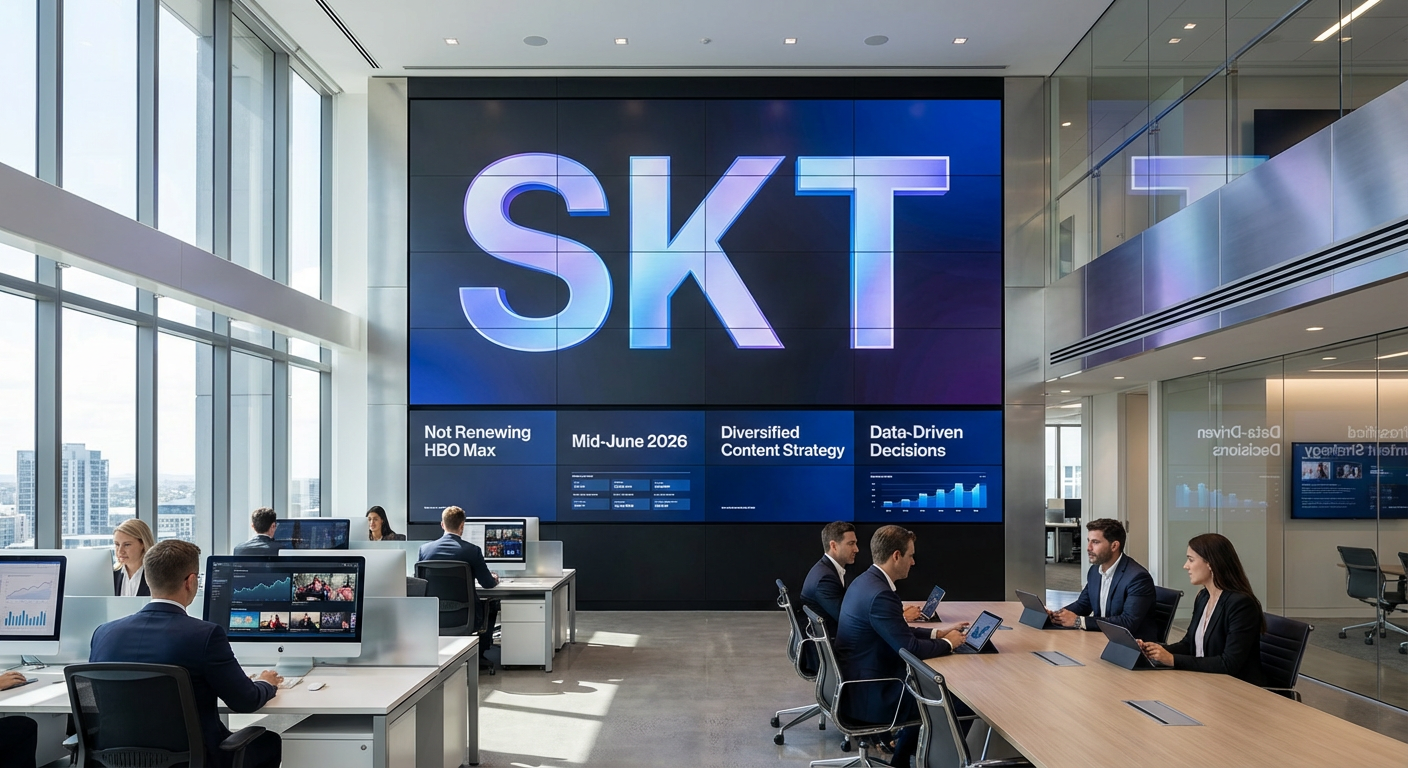
Sky Network pivots entertainment strategy as HBO Max exits New Zealand
Sky Network Television (ASX: SKT) has announced it will not renew its agreement with Warner Bros. Discovery (WBD) for HBO Max content when the current arrangement concludes mid-June 2026. The decision reflects Sky Network’s entertainment content strategy focused on data-driven content evaluation rather than competing for co-exclusive rights as WBD prepares to launch its direct-to-consumer service in New Zealand.
The move enables Sky to redirect resources toward content demonstrating proven customer engagement. By choosing not to pursue a co-exclusive arrangement with a global streaming platform entering the market directly, the company positions itself to preserve margins whilst avoiding escalating content costs typical of competing against vertically-integrated media giants.
Strengthened studio partnerships replace single-provider dependency
Sky has confirmed it will maintain and expand partnerships across multiple content studios, diversifying its entertainment offering beyond reliance on any single supplier. The company referenced its recently-announced expanded agreement with Paramount as evidence of ongoing pipeline investment aligned with customer demand.
Current studio partnerships include:
- Paramount (expanded agreement)
- BBC
- Studiocanal
- Sony
This diversified approach reduces single-supplier risk whilst potentially improving negotiating leverage across multiple content deals. Rather than concentrating resources on retaining HBO Max content against WBD’s direct service, Sky’s strategy prioritises proven content across a broader studio base.
When big ASX news breaks, our subscribers know first
What is a direct-to-consumer streaming model?
Direct-to-consumer streaming refers to content owners launching their own platforms to reach audiences without intermediary distributors. WBD’s planned New Zealand service represents this model, with the studio bypassing traditional aggregators like Sky to sell directly to viewers.
Co-exclusive content arrangements allow multiple providers to offer the same programming simultaneously. Sky declined this model for HBO Max content, recognising that competing alongside WBD’s own platform would likely require premium pricing without exclusive differentiation.
This strategic choice reflects the structural shift across global media, where content owners increasingly bypass traditional distributors to capture direct subscriber revenue. Sky’s response positions the company as adapting to this reality through cost discipline rather than engaging in unsustainable content bidding wars against vertically-integrated global platforms.
Ongoing WBD relationship continues through channel portfolio
The decision does not represent a complete exit from the WBD relationship. Sky retains valuable factual and lifestyle content through an ongoing partnership for channel portfolio programming, including:
- Discovery
- Discovery Turbo
- TLC
- ID
- Animal Planet
- CNN International
These channels remain available on Sky’s platform under existing arrangements, including a Transitional Service Agreement following the company’s acquisition of Discovery NZ. The channel content complements Sky’s premium sport offering without the premium scripted drama costs associated with HBO Max programming.
The next major ASX story will hit our subscribers first
Data-driven content decisions signal disciplined capital allocation
Management emphasised that the decision followed extensive content portfolio analysis using the same data-driven approach applied to sport content evaluation. The review examined customer viewing behaviour across Sky’s combined entertainment offering to identify programming delivering measurable value.
Sophie Moloney, Sky Chief Executive
“We have carried out an extensive review of our content as part of a broader entertainment strategy refresh. As with our sport content, we’ve used a data-driven approach so we understand exactly what our customers watch and value across our combined portfolio. That work has led us to a strong conclusion: this is the right decision for Sky’s customers, and for our shareholders.”
The statement signals shareholder value focus alongside customer experience considerations. Content investment will follow proven demand metrics rather than pursuing expensive streaming platform competition where Sky lacks the vertical integration advantages of global media conglomerates.
What this means for Sky shareholders
The Sky Network entertainment content strategy announced today carries several implications for investors evaluating the company’s capital allocation discipline:
-
Cost efficiency prioritised: Sky avoided a potentially expensive co-exclusive arrangement as global platforms enter the New Zealand market, preserving capital for proven content investments rather than bidding wars.
-
Data-led investment framework: Management reinforced its commitment to evidence-based content decisions, applying measurable customer engagement metrics to entertainment programming as it does with sport content.
-
Relationship maintained strategically: The company retained WBD’s channel content portfolio without premium scripted costs, balancing content breadth with margin protection.
The announcement demonstrates management’s willingness to make commercially disciplined decisions even when facing high-profile content partnership changes. By choosing not to compete directly with WBD’s consumer platform launch, Sky positions itself to allocate resources toward content partnerships where it maintains structural advantages rather than fighting vertically-integrated competitors on unfavourable terms.
Stay Ahead on Entertainment and Media Investment Opportunities
Join 20,000+ investors receiving FREE ASX alerts within minutes of release, complete with expert analysis. Click the “Free Alerts” button at Big News Blast to get breaking entertainment and media sector news delivered straight to your inbox before the market responds.