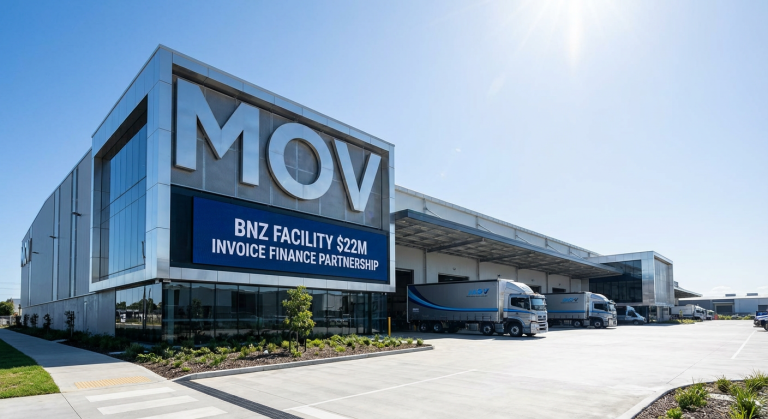
Move Logistics Secures $22M BNZ Facility to Cut Financing Costs from Nov 2026

Track air freight and logistics coverage for ASX listed operators, freight forwarders and supply chain specialists. Follow volume and yield updates, capacity changes, contract wins, earnings and corporate actions, with share price moves and videos as announcements land. Browse related stocks and investor guides for context on logistics drivers.




Air freight and logistics businesses often move on volume trends and pricing, so investors watch demand across express parcels, international freight and time critical shipments. Capacity availability, fuel costs and network efficiency can drive margin outcomes, while contract wins and renewals can change revenue visibility. Compliance requirements, including customs and security processes, can affect speed and cost. Warehousing and integrated 3PL services can add recurring revenue and reduce reliance on spot freight. Currency moves can influence international lanes, and disruptions can reprice rates quickly even when volumes are steady. Articles and videos track earnings, guidance, acquisitions and capital raises, linking these updates to the ASX names most exposed.
It typically includes air cargo operators, freight forwarders, express parcel networks, and logistics providers offering warehousing, distribution and supply chain services.
Volume and yield updates, fuel and cost commentary, earnings and guidance, and contract wins. Changes in capacity, network strategy or international lane conditions can also move expectations.
Longer term contracts can stabilise revenue and improve planning, while loss of a major customer can have a large impact. The quality of contract terms and pass through mechanisms often affects margin stability.
Volume growth, yield, utilisation, on time performance, margin and cash conversion are common. Investors also look at customer concentration, contract duration and the mix of warehousing versus transport revenue.
Demand cyclicality, fuel and labour cost swings, operational disruption, and exposure to a small number of customers are common. High capex needs and integration risk from acquisitions can also affect valuations.