
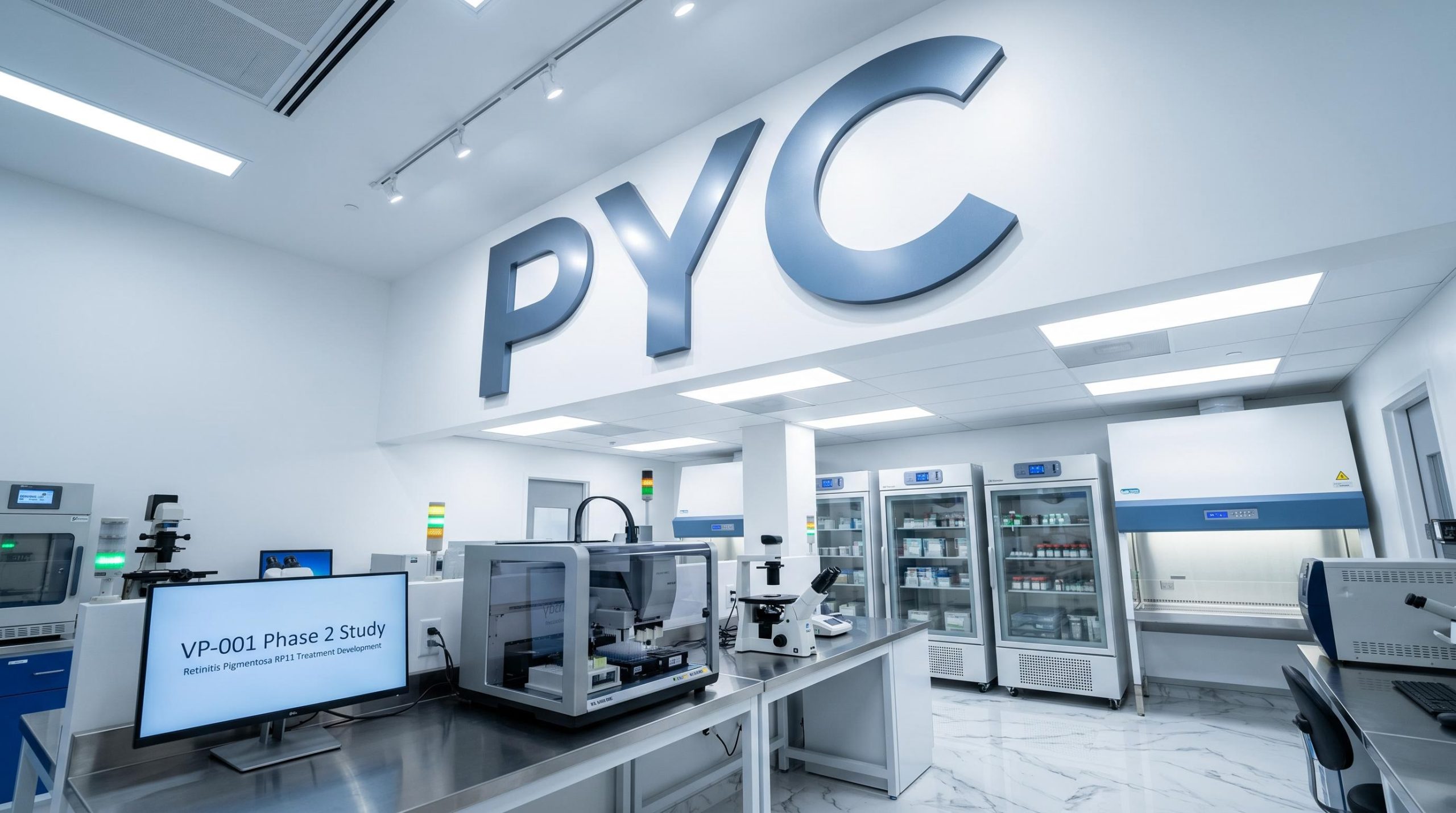
PYC Therapeutics secures European Orphan Drug Designation for lead eye disease candidate VP-001
PYC Therapeutics has received Orphan Drug Designation from the European Medicines Agency for VP-001, the company’s investigational drug candidate targeting Retinitis Pigmentosa type 11 (RP11). The designation positions VP-001 as a potential first-in-class treatment for patients with this blinding eye disease, which currently has no approved therapeutic options.
The clinical-stage biotechnology company focuses on precision RNA medicines for genetic diseases with unmet medical needs. VP-001 is one of three clinical-stage programmes in PYC’s development pipeline.
When big ASX news breaks, our subscribers know first
What is Orphan Drug Designation and why does it matter?
Orphan Drug Designation is a regulatory incentive programme designed to encourage development of medicines for rare diseases. The EMA grants this status to drug candidates addressing conditions that affect fewer than 5 in 10,000 people in the European Union.
The designation confers three key commercial and regulatory benefits:
- 10 years of European market exclusivity upon regulatory approval, protecting the drug from generic competition
- Scientific advice and protocol assistance from the EMA on clinical trial design and regulatory pathway requirements
- Reduced regulatory fees for drug candidate review, preserving development capital
For clinical-stage companies, these advantages materially improve the risk-reward profile. Market exclusivity protects commercial returns on development investment, EMA scientific guidance reduces trial execution risk, and fee reductions free capital for clinical programmes.

VP-001 now holds regulatory designations across both US and European markets
The EMA Orphan Drug Designation complements existing special designations conferred on VP-001 by the US Food and Drug Administration. VP-001 now holds regulatory recognition across the two largest pharmaceutical markets globally.
The drug candidate has received three US FDA designations:
- Orphan Drug Designation (granted October 2024)
- Fast Track Status (granted January 2025)
- Rare Pediatric Disease Designation (granted August 2023)
| Regulatory Body | Designation | Key Benefit | Date Announced |
|---|---|---|---|
| EMA | Orphan Drug Designation | 10 years European market exclusivity | April 2026 |
| US FDA | Orphan Drug Designation | 7 years US market exclusivity | October 2024 |
| US FDA | Fast Track Status | Expedited FDA review process | January 2025 |
| US FDA | Rare Pediatric Disease Designation | Priority Review Voucher eligibility upon approval | August 2023 |
Dual-market regulatory recognition strengthens VP-001’s global commercialisation pathway. Both US and European regulators have acknowledged the urgent unmet need the candidate is designed to address.
The Rare Pediatric Disease Designation carries additional commercial significance. If VP-001 secures approval, PYC becomes eligible for a Priority Review Voucher, a tradeable regulatory asset that can be sold to other pharmaceutical companies or used to expedite review of future PYC drug candidates.
VP-001 Phase 2 progress and pathway to registrational trial
VP-001 is currently progressing through a Phase 2 study in RP11 patients. The company held a Type D meeting with the FDA in March 2026 to align on requirements for a successful New Drug Application.
PYC is awaiting additional data from the ongoing Phase 2 study to optimise the design of a proposed registrational trial. The company expects to provide an update on long-term follow-up data from the Phase 2 study in Q4 CY26.
The Type D FDA meeting represents a critical regulatory milestone. These meetings allow drug developers to discuss proposed trial designs and clinical endpoints with the FDA before initiating pivotal studies, reducing the risk of protocol misalignment that could delay approval.
The upcoming Phase 2 data readout will inform both the registrational trial design and the timeline for advancing VP-001 toward potential approval.
PYC’s broader pipeline and precision medicine platform
PYC operates three clinical-stage drug development programmes in total. The company’s proprietary drug delivery platform is designed to enhance the potency of RNA therapeutics, the commercially proven therapeutic class that includes approved drugs such as Spinraza and Onpattro.
The company focuses exclusively on monogenic diseases—conditions caused by mutations in a single gene. According to research cited by the company, monogenic diseases demonstrate the highest likelihood of clinical development success compared to complex polygenic conditions.
This strategic focus narrows PYC’s development risk by targeting diseases with clear genetic causes and well-defined patient populations. VP-001 exemplifies this approach: RP11 is caused by mutations in the PRPF31 gene, and PYC’s RNA therapy is designed to address the underlying genetic defect.
Key takeaways for investors
- European Orphan Drug Designation adds 10 years of market exclusivity and regulatory support to VP-001’s European commercialisation pathway
- VP-001 now holds designations across both US FDA and EMA regulatory bodies, validating the drug candidate’s potential across the world’s two largest pharmaceutical markets
- Near-term catalyst: Phase 2 long-term follow-up data expected Q4 CY26 will inform registrational trial design and timeline
- Registrational trial design benefits from guidance received during FDA Type D meeting in March 2026
- PYC’s focus on monogenic diseases positions the pipeline in the indication class with the highest probability of clinical success
Want the Next Biotech Breakthrough in Your Inbox?
Join 20,000+ investors receiving FREE breaking ASX healthcare news delivered within minutes of release, complete with in-depth analysis. Click the “Free Alerts” button at Big News Blast to get real-time alerts the moment biotech catalysts and regulatory milestones break.