
Recce Pharmaceuticals Secures Brazil Patent Through 2041 in $1.09B Market
Key Takeaways
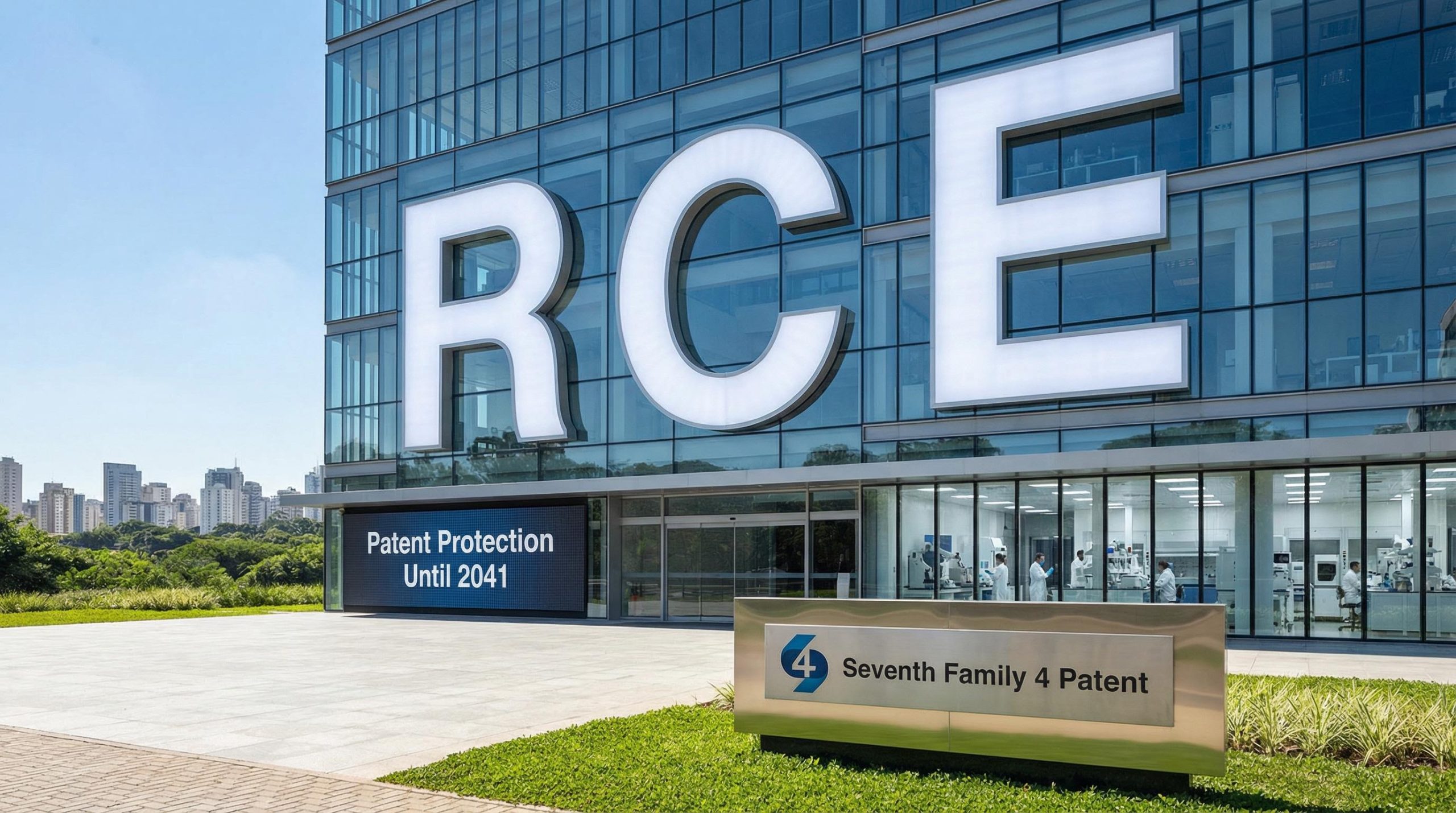
Recce Pharmaceuticals secures its seventh Family 4 patent with a Brazil patent grant protecting its anti-infective platform through 2041 in South America's largest antibiotics market, valued at USD 774.5 million.
- Recce Pharmaceuticals has received a patent grant from Brazil's INPI, becoming the seventh Family 4 patent granted globally and extending protection for its anti-infective platform until 2041.
- The Brazil patent covers both R327 and R529 compounds across eight therapeutic indications and five delivery methods, providing broad commercial flexibility for future licensing negotiations.
- Brazil represents South America's largest antibiotics market, valued at USD 774.5 million in 2024 and projected to reach USD 964.3 million by 2033 at a 2.4% CAGR.
- The company's R327 compound holds FDA Qualified Infectious Disease Product designation under the GAIN Act, providing Fast Track Designation and 10 years of market exclusivity post-approval.
- Additional PCT submissions remain under review, indicating the global IP portfolio could expand further beyond its current seven-jurisdiction footprint.
Recce Pharmaceuticals secures Brazil patent for anti-infective platform through 2041
Recce Pharmaceuticals (ASX: RCE) has received a Recce Pharmaceuticals Brazil patent grant from the Brazilian National Institute of Industrial Property (INPI), extending protection for its anti-infective platform until 2041. The patent marks the company’s seventh Family 4 patent granted globally, following approvals in Australia, Canada, China, Hong Kong, Israel, and Japan.
Brazil represents South America’s largest antibiotics market, valued at USD 774.5 million (approximately AUD 1.09 billion) in 2024, with projected growth to USD 964.3 million (approximately AUD 1.36 billion) by 2033 at a compound annual growth rate of 2.4%.
The patent grant strengthens the company’s intellectual property portfolio in a major market, enhancing its commercialisation pathway and future licensing potential for the RECCE anti-infective platform.
When big ASX news breaks, our subscribers know first
What the Brazil patent covers
The Brazilian patent encompasses both R327 and R529 compounds, providing broad protection across manufacturing processes, therapeutic uses, and delivery methods. Patent claims extend to the preparation process for RECCE anti-infectives and their use in treating bacterial infections, viral infections, and related conditions.
The patent validates the company’s anti-infectives across multiple indications supported by clinical studies:
- Acute Bacterial Skin and Skin Structure Infections (ABSSSI)
- Diabetic Foot Infections (DFI)
- Burn Wounds
- Lung Infections (including Ventilator-Associated Pneumonia/Hospital-Acquired Pneumonia)
- Urinary Tract Infections
- Gonorrhoea
- Influenza
- SARS-CoV-2
The patent protects five distinct delivery methods:
- Oral administration
- Inhalation
- Transdermal delivery
- Injection (intravenous, intramuscular, into bloodstream)
- Aerosol, gel, topical foam, ointment, or impregnated dressings
Chief Executive Officer James Graham
“We thank the Brazilian National Institute of Industrial Property for their recognition of Recce’s platform technology. Patent protection is fundamental to Recce, and we are encouraged by the expansion of our patent portfolio into Brazil, South America’s largest antibiotic market. As we look to address the urgent and growing global burden of antibiotic-resistant superbugs, this granted patent is yet another intellectual property milestone.”
Broad patent claims across multiple indications and delivery mechanisms provide commercial flexibility for future partnering discussions.
Understanding pharmaceutical patent families and why they matter for investors
A “Family 4” patent represents a specific grouping within the company’s intellectual property portfolio. Patent families group related patents covering the same core innovation across different jurisdictions. Each patent in the family protects the underlying technology in a specific country or region, creating a coordinated global protection strategy.
For pharmaceutical companies, patent families function as building blocks of commercial protection. When a company files an initial patent application, it can subsequently file related applications in other countries, creating a “family” of patents that trace back to the original innovation. Each granted patent in a key market reduces commercialisation risk and strengthens the company’s negotiating position with potential partners.
The 2041 expiry date provides over 15 years of market exclusivity from the current date, covering critical development and early commercialisation phases. For biotech companies, intellectual property portfolio depth serves as a critical valuation driver. Patents granted in major markets validate the underlying science, create barriers to generic competition, and provide legal frameworks for licensing agreements.
Accumulating granted patents in major markets de-risks the path to commercialisation and enhances the company’s position in future licensing or partnership negotiations.
Brazil’s strategic importance in global antibiotics
Brazil represents one of the world’s largest antibiotics markets and the largest in South America. Market data indicates sustained growth trajectory through the next decade.
| Metric | 2024 | 2033 Projected | CAGR |
|---|---|---|---|
| Market Value (USD) | $774.5M | $964.3M | 2.4% |
| Market Value (AUD) | ~$1.09B | ~$1.36B | 2.4% |
Securing intellectual property in a growing billion-dollar market positions the company for potential regional licensing or direct commercialisation strategies.
The next major ASX story will hit our subscribers first
Global IP portfolio and next steps
The company now holds seven granted Family 4 patents across key jurisdictions:
- Australia
- Brazil (newly granted)
- Canada
- China
- Hong Kong
- Israel
- Japan
Additional Patent Cooperation Treaty (PCT) submissions remain in various stages of review or have been allowed, indicating potential for further geographic expansion. The company’s intellectual property strategy focuses on protection in leading antibiotic markets globally.
A diversified global patent portfolio provides multiple pathways to commercialisation and reduces single-market dependency.
The superbug opportunity
The World Health Organization (WHO) has recognised R327, R435, and R529 on its list of antibacterial products in clinical development for priority pathogens. The U.S. Food and Drug Administration granted R327 Qualified Infectious Disease Product designation under the Generating Antibiotic Initiatives Now (GAIN) Act, providing Fast Track Designation and 10 years of market exclusivity post-approval.
The company’s synthetic polymer approach represents a differentiated mechanism for addressing antimicrobial resistance. Unlike traditional antibiotics that bacteria can develop resistance to over time, the synthetic polymer platform operates through multiple mechanisms simultaneously, potentially overcoming bacterial resistance processes.
Regulatory designations and WHO recognition validate the platform’s relevance to the growing superbug crisis, representing a multi-billion dollar unmet medical need in global healthcare.
Get Healthcare News Before the Market Moves
Join 20,000+ investors receiving FREE breaking ASX healthcare alerts within minutes of release, complete with expert analysis. Big News Blast delivers market-moving announcements straight to your inbox the moment they drop. Click the “Free Alerts” button to start receiving real-time coverage across all non-resource ASX sectors.